Plants
- Plants
Scientists Say: Urushiol
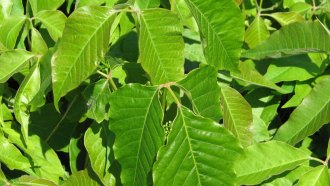
Poison ivy looks harmless, but its oil, urushiol, is not. This is the plant’s oil that leaves an itchy rash or blisters on your skin.
- Agriculture
Plant ‘vampires’ lay in wait
A new study shows how some parasitic plants evolved the ability to sense a potential host — and then send out root-like structures to feed on them.
- Chemistry
Bacteria become source of ‘greener’ blue jeans
Manufacturing indigo to dye blue jeans now relies on harmful chemicals. But researchers have found a less polluting way to produce the blue tint: bacteria.
- Chemistry
Secret to rose scent surprises scientists
Scientists discovered the molecular tool that roses use to make fragrance. And it wasn’t what they expected.
- Plants
Using plants to solve environmental problems
Problems in their communities suggested good research projects to three teens. Each wanted to tackle a different issue, from pollution to world hunger. To learn more about these issues, they turned to their local ponds, wetlands and gardens.
- Plants
Picture This: The world’s biggest seed
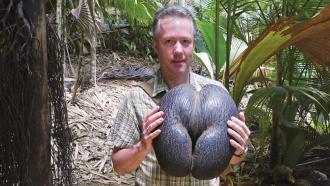
This monster seed develops on a super-slow-growing island palm. Key to that palm’s survival are leaves that funnel fertilized water to nutrient-starved roots.
- Earth
News Brief: Smokin’ plants
A new study points out how some herb teas and spices could have accidentally picked up nicotine from the smokers working around them.
- Animals
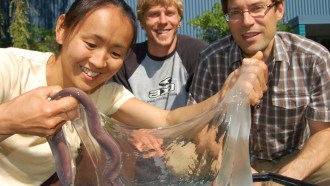
Secrets of slime
Mucus—snot—can be so gross. It’s also critical for many animals, including hagfish, snails and people. Snot can rid our bodies of nasty bacteria and viruses. In other creatures, it can smooth the road or rough up predators.
- Climate
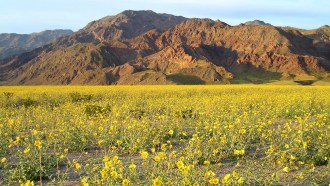
Desert plants: The ultimate survivors
Creosote, mesquite and other desert plants rely on different adaptations to thrive, even when no rain falls for an entire year.
- Earth
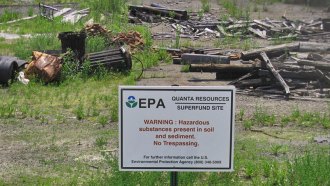
Cleaning with greens
Cleaning up toxic waste is a big and expensive problem. Scientists have tinkered with the genes in some plants. Now those greens can take on this dirty work. Still, they're not quite ready for prime time.
- Animals
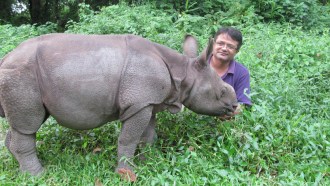
Rare as a rhino
Most species are rare. Some have always been rare. A problem develops when people are responsible for accelerating a species’ rarity to the point that extinction threatens.
- Microbes
Recycling the dead
When things die, nature breaks them down through a process we know as rot. Without it, none of us would be here. Now, scientists are trying to better understand it so that they can use rot — preserving its role in feeding all living things.