Plants
- Environment
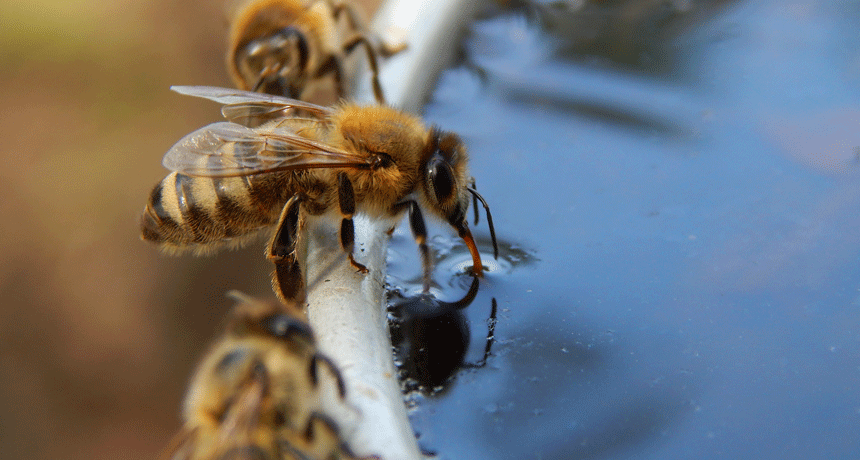
Cleaning up water that bees like to drink
Plant roots suck up pesticides used on soils, then release them into water that can seep from their leaves. This is a sweetened water that bees love to sip. A teen figured out how to remove most of the pesticide with bits of charcoal.
- Computing
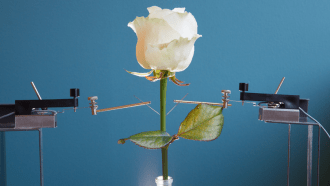
Wired and weird: Meet the cyborg plants
By mixing electronics with greenery, engineers have made plants that conduct electricity, detect bombs and send email.
- Animals
Under blanket of ice, lakes teem with life
Life under frozen lakes is vibrant, complex and surprisingly active, new research finds. In fact, some plants and animals can only live under the ice. But with climate change, will that continue?
- Animals
Warm petals may attract chilly bees
Dark-purple violet petals are warmer than a light-purple variant. And and that warmth might explain their attraction to potentially chilly bees.
- Agriculture
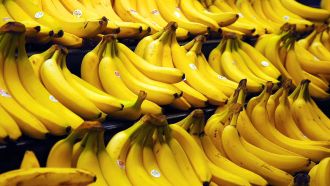
Bananas under attack: Understanding their foes
Fungal blights threaten the world’s most popular fruit. But genetic studies hint at new ways to combat some of these diseases.
- Animals
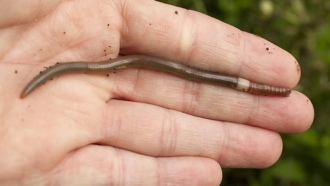
Earthworms: Can these gardeners’ friends actually become foes?
Asian jumping worms can strip leaf litter from floor of U.S. forests, new data show. Many native plants need that leaf litter for their seeds to germinate.
- Plants
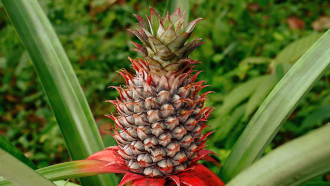
Scientists Say: Bromeliad
Bromeliads are plants with long spiky leaves. They are common houseplants, and we even see one in the grocery store — the pineapple.
- Earth
Houseplants suck up air pollutants that can sicken people
Certain indoor air pollutants can sicken people. But some houseplants can remove those chemicals from a room’s air, new data show.
- Plants
Scientists Say: Chlorophyll
Plants can make energy out of sunlight, all thanks to a pigment called chlorophyll.
- Agriculture
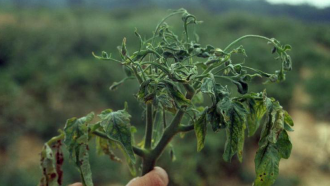
Sneaky! Virus sickens plants, but helps them multiply
The cucumber mosaic virus helps tomato plants lure pollinators. When the plants multiply, the virus now gets new hosts.
- Genetics
Young sunflowers keep time
The plants don’t just use light to follow the sun. An internal clock helps their stems bend as the sun moves across the sky.
- Animals
Plants, animals adapt to city living
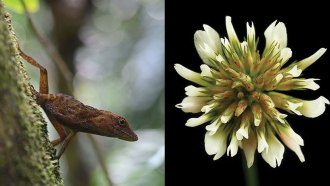
Cities have turned into experiments in evolution for both plants and animals, from the taste of clover to the stickiness of lizards’ toes.