Plants
- Climate
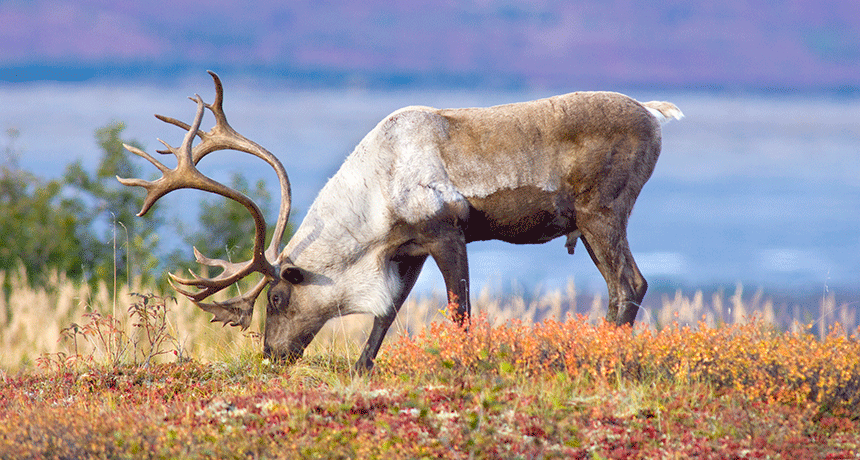
Here’s why scientists have been fertilizing the Arctic
For more than 30 years, scientists have been fertilizing small parcels of Arctic tundra. Here’s what happens when you push an ecosystem to the brink.
- Agriculture
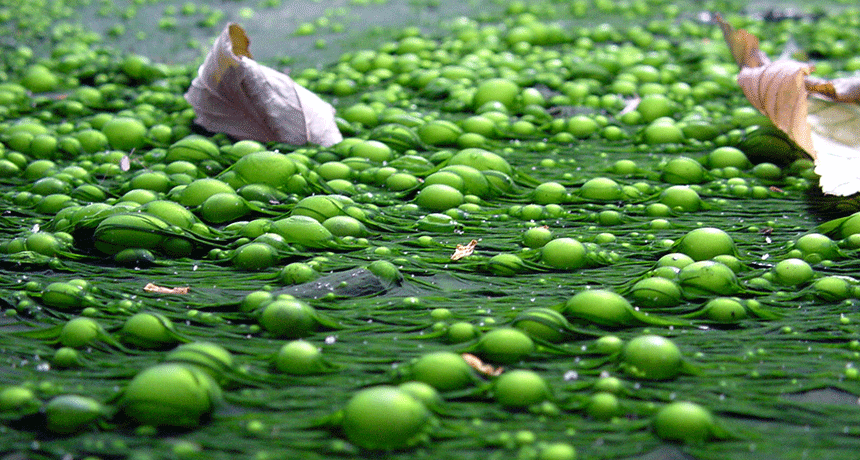
Explainer: The fertilizing power of N and P
Two elements — nitrogen and phosphorus — help plants grow. When the soil doesn’t have them, farmers might add them in the form of fertilizer.
- Climate
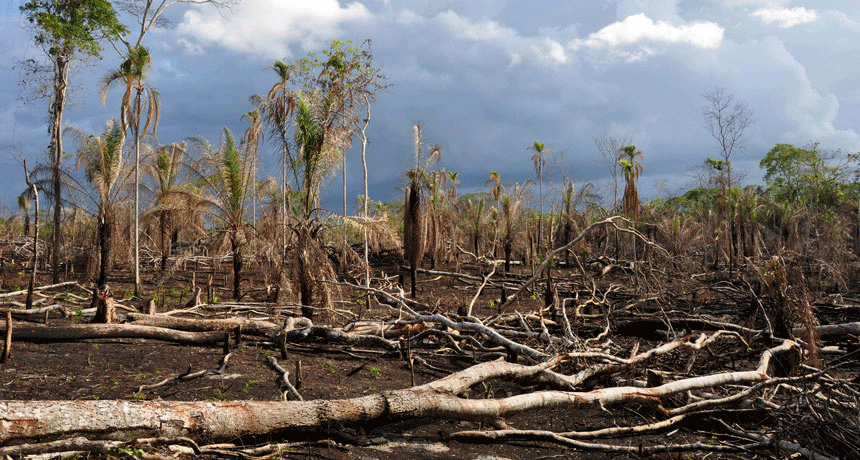
Tropics may now emit more carbon dioxide than they absorb
Analyses of satellite images suggest that degraded forests now release more carbon than they store.
- Climate
Thawing mosses tell a climate change tale
Plants long entombed beneath Canadian ice are now emerging. They’re telling a story of warming unprecedented in the history of human civilization.
- Animals
Earthworm invaders may be stressing out some maples
Worms are great for soil when ecosystems have evolved with them. But in earthworm-free places, like parts of the U.S. Upper Midwest, they can cause problems for plants and animals.
- Plants
Cool Job: Rethinking how plants hunt for water
Studies probing the very beginnings of root development may have important implications for growing food in a world where the climate is changing.
- Chemistry
Why onions make us cry
Researchers add another piece to the molecular puzzle biochemists have tried to solve for decades — why onions can make our eyes tear up.
- Chemistry
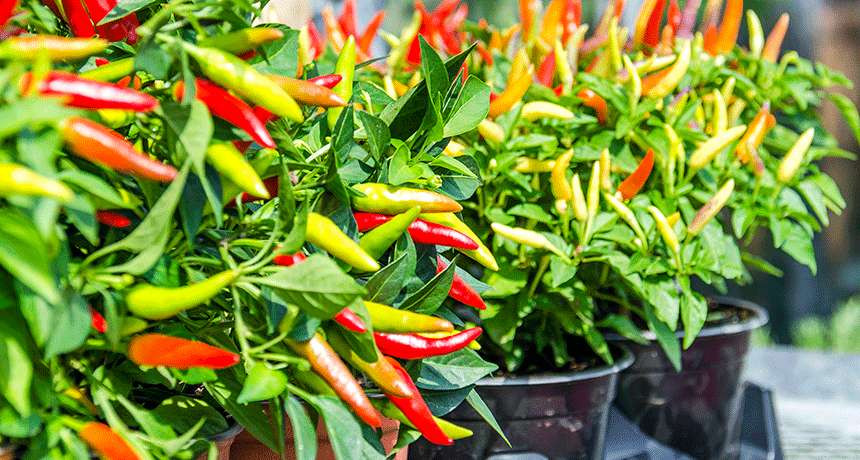
Scientists Say: Capsaicin
This chemical is produced by pepper plants and gives them their hot flavor.
- Agriculture
Scientists Say: Domestication
Domestication is the process of deliberately taking a wild organism — a plant or animal for instance — and making it a part of our daily lives.
- Plants
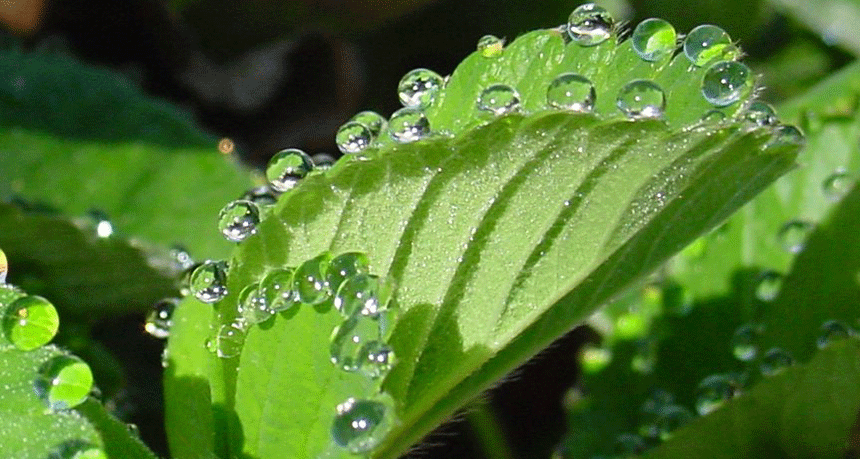
Scientists Say: Guttation
When water vapor can’t escape a plant, it might force its way out through a process called guttation.
- Plants
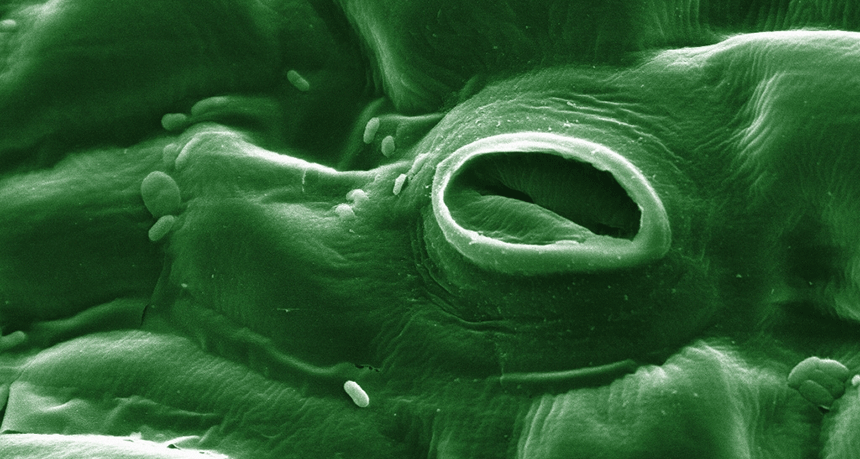
Scientists Say: Stomata
Plants have pores they open and close to let oxygen, carbon dioxide and water vapor in and out. These pores are called stomata.
- Ecosystems
America’s duck lands: These ‘potholes’ are under threat
North America’s prairies are in trouble. Scientists race against the clock for clues about how to save the plants — and animals — that call it home.