Tech
- Computing
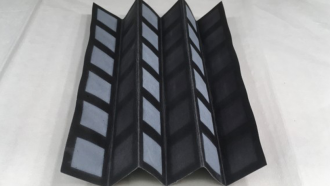
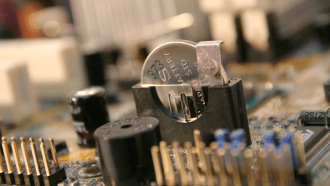
Germs power new paper batteries
New paper-based batteries rely on bacteria to generate electricity. These ‘papertronic’ power systems may be a safer choice for remote sites or dangerous environments.
- Animals
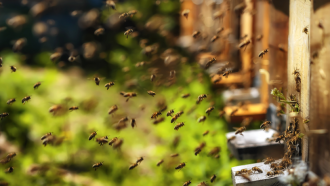
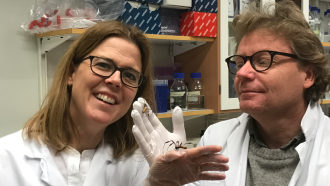
Cool Jobs: Abuzz for bees
These scientists are keeping bees healthy, making medicines for people from honey and constructing bee-inspired robots.
- Computing
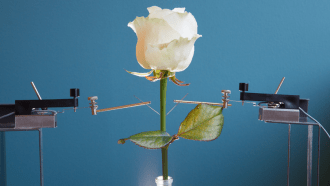
Wired and weird: Meet the cyborg plants
By mixing electronics with greenery, engineers have made plants that conduct electricity, detect bombs and send email.
- Genetics
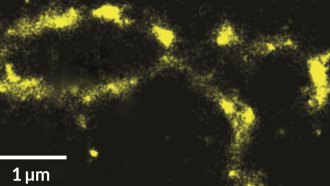
How to view tiny parts of DNA? Make them ‘blink’
A new technique can image nanoscale structures in cells without hurting them. No dyes needed. All you have to do is stimulate them with the right color of light.
- Physics
How to chill an object by sending its heat into space
Researchers have designed a device that can cool an object by radiating its energy into outer space. Think of it as a solar panel in reverse.
- Chemistry
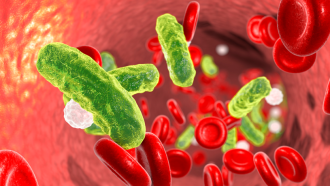
Magnets may one day cull deadly germs from blood
A new technique for slowing the deadly condition called sepsis would use tiny iron particles and magnets.
- Computing
When your stuff spies on you
More ordinary objects are going online. These make up the Internet of Things. But as they collect data about you and your world, they also bring security risks.
- Chemistry
How to spin synthetic spider silk
A new method for spinning artificial spider silk combines parts of proteins from two species and mimics what happens in a spider’s silk-forming gland.
- Computing
The Internet of Things wants to link all facets of our world
The Internet of Things means everyday objects are becoming computers. Can people harness this technology to make the world better?
- Computing
How to build computer chips only 3 atoms thick
Scientists have engineered an ultrathin material only three atoms thick. The material could be used to make extremely slender computer chips.
- Physics
Explainer: How batteries and capacitors differ
Both batteries and capacitors can power electronic devices. Each, however, has different properties which may provide benefits — or limitations.
- Computing
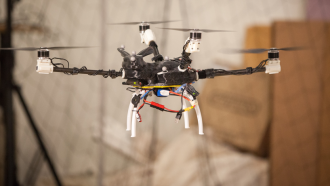
Build the drone of your dreams
Drone fans can now use new computer software to design and ‘test’ their own customized flying machines before putting time and money into building them.