- Brain
The teenage brain
Adolescence triggers brain — and behavioral — changes that few kids or adults understand.
- Brain
Learning rewires the brain
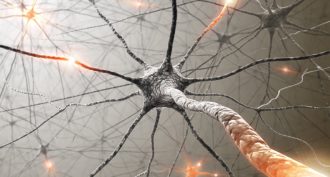
Brain cells actually change shape as we learn. It’s one way we cement new knowledge. And much of the action happens as we sleep.
- Brain
Meditation may boost teen memory
Teens who trained in a practice called mindfulness meditation saw improvements in their ability to remember things.
- Brain
Eating disorders: The brain’s foul trickery
Experts on eating disorders are probing why sometimes deadly chemical changes can distort how much the brain says we need to eat.
- Health & Medicine
To teens, benefits are more persuasive than risks
When potential rewards and punishments are equal, teens are more likely to make decisions based on those rewards than on concerns over any risks, a new study shows.
- Animals
Even penguins get the flu
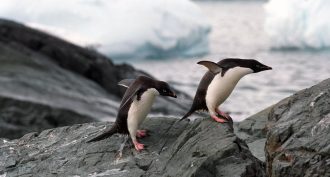
Scientists have just identified ‘live’ bird flu virus in Antarctic penguins. But the infections may not be novel. There are some signs these germs have been infecting local wildlife for up to 80 years.
- Health & Medicine
Scientists Say: Zoonosis
Sometimes diseases in people come from animals. These diseases have a special name.
- Animals
Between a rock and a wet place
If you're a fish that climbs waterfalls, is it better to have a squat body, or be tall and a fast swimmer?
- Tech
Cool Jobs: Like Mother Nature
Scientists observe what works best for animals, plants in efforts to build better products.
-
- Agriculture
Cool Jobs: Green Science
In parts of the Arctic, entire forests are creeping northward. Luckily, ecologist Serge Payette is hot on their trail.
- Physics
Hold on to your stars, ladies and gentlemen
Our galaxy is heavier and spinning much faster than scientists thought.