All Stories
- Health & Medicine
New devices coming to assist the disabled
New technologies, including motorized prosthetics and stair-climbing wheelchairs, could someday help people overcome a range of disabilities.
- Physics
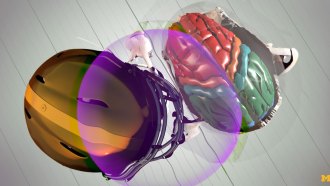
New football helmets could limit brain injuries
A new design for football helmets uses three layers to absorb energy from repeated impacts. The result should be fewer athletes with brain injuries.
- Physics
Scientists Say: Potential energy
This is the energy an object has because of its position or condition.
-
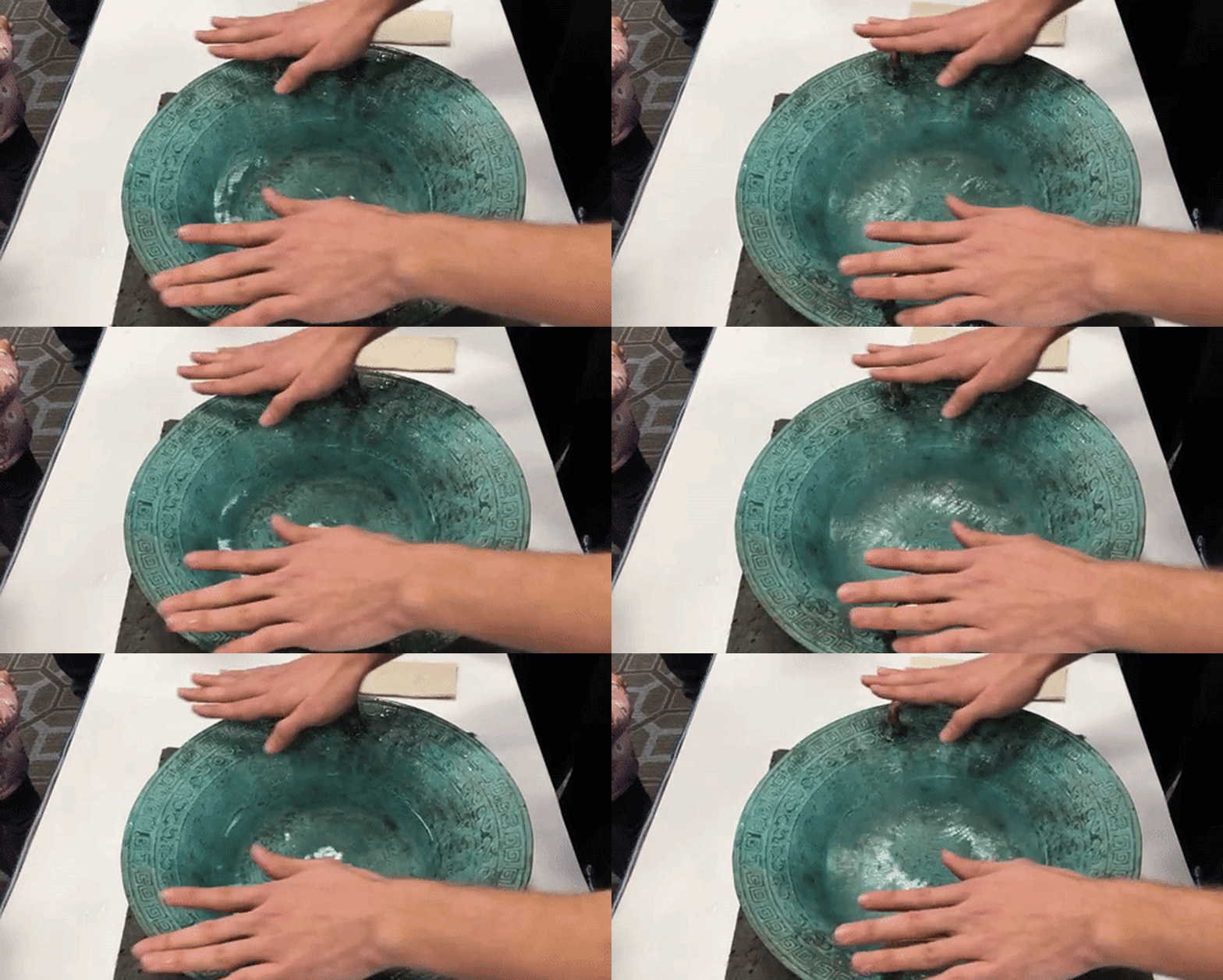
Watching water dance and seeing music as lights at family science expo
Family science days offers science learning for everyone, from good vibrations to endangered animal species.
- Animals
Picking a better porch light
Lights can vary in brightness and ‘color’ — even those that are sold as white. A new study tested which lights attracted the most bugs.
- Animals
Roadkill : Learning from the dead
Roadkill can be more than a smooshed-up carcass. Scientists study these highway casualties to learn more about wildlife and their environments.
- Brain
Early intro to sign language has lasting benefits
Children introduced to sign language as babies performed better on mental-processing tasks at age 12 — and as adults — than did people who learned sign language at age 3.
- Brain
Concussed brains need time to heal
Researchers working with mice found that allowing the body to rest after a concussion gave brain cells time to heal and reconnect with each other.
- Health & Medicine
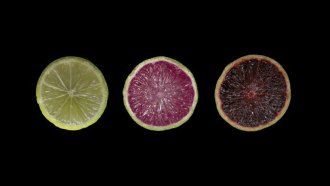
From lime green … to lime purple?
Citrus with health-boosting purple plant pigments don’t usually grow in warmer climates. Genetic engineering could change that.
- Health & Medicine
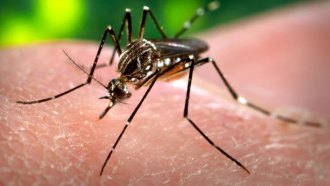
Scientists Say: Zika
Zika virus has burst into the news because it is linked with microcephaly — a condition where babies are born with small heads.
- Brain
Vaping may threaten brain, immunity and more
New studies of e-cigarette vapor in animals and human cells find new risks to gene activity, behavior and male sperm.
- Animals
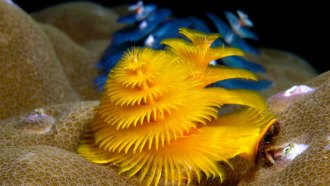
Picture This: Christmas tree worms
The tops of Christmas tree worms look like brightly colored plants. But they are really boneless marine animals with eyes that can breathe and gills that can see.