Scientists Say
A weekly word defined, in a sentence and in context. Click here to find the alphabetized list.
- Brain
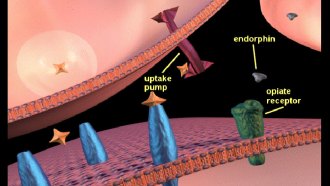
Scientists Say: Neurotransmitters
When brain cells need to communicate, they use chemicals as messengers. These molecules have a special name.
- Chemistry
Scientists Say: Organic
These days you might think organic refers just to food. But it has a completely different meaning in chemistry.
- Math
Scientists Say: Quartile
A quartile might sound like a fourth. But that’s not quite what it is.
- Earth
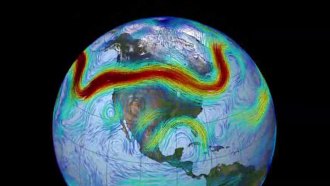
Scientists Say: Jet Stream
You might hear about the jet stream on a weather report, but what is it? We explain.
- Plants
Scientists Say: Xylem
How do trees ferry water from the soil to branches hundreds of feet in the air? This week’s word is the answer.
- Materials Science
Scientists Say: Kevlar
Many people hear Kevlar and think of body armor. But this polymer is in so much more.
- Plants
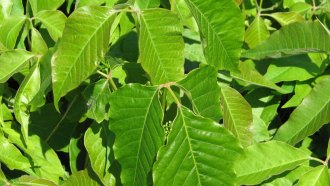
Scientists Say: Urushiol
Poison ivy looks harmless, but its oil, urushiol, is not. This is the plant’s oil that leaves an itchy rash or blisters on your skin.
- Health & Medicine
Scientists Say: Virulence
The virulence of a germ is a measure of its potential to cause disease.
- Physics
Scientists Say: Quantum
Quantum seems like a very complex word. But really, it’s a term used for something very, very small.
- Physics
Scientists Say: Viscosity
We know some liquids are thick and some are thin. This week’s word describes the property of these liquids to resist tension or pressure.
- Physics
Scientists Say: Torque
Some forces pull and some push. This force produces turning or twisting.
- Science & Society
Scientists Say: Social
Social is a single word used in many ways. But whether it’s social media or social order, social describes how we interact.