Scientists Say
A weekly word defined, in a sentence and in context. Click here to find the alphabetized list.
- Brain
Scientists Say: Amusia
When you can’t carry a tune, you might have amusia, a brain disorder where people can’t tell one note from another.
- Chemistry
Scientists Say: Solution
In math, this is just the answer to your problem. In chemistry, this word means something else entirely.
- Chemistry
Scientists Say: Base
Bases are chemicals that contain negatively charged chemical groups made from oxygen and hydrogen. They lend coffee its bitter flavor and have pH rankings higher than 7.0.
- Chemistry
Scientists Say: Acid
When a chemical tastes sour, ranks below 7.0 on the pH scale and has many hydrogen ions in its solution, it gets a special name.
- Genetics
Scientists Say: Mutation
Information in an organism is stored in a code. Here’s the word scientists use to describe a change in that code.
- Chemistry
Scientists Say: Keratin
Keratin is a fibrous protein that gives our nails and hair their strength.
- Health & Medicine
Scientists Say: Umami
What’s the word for something savory? Umami is a taste, and is often described as being meaty.
- Chemistry
Scientists Say: Joule
A joule is the amount of work done when a force of one newton moves an object one meter. It’s also the energy required to produce one watt for one second.
- Animals
Scientists Say: Quoll
This small marsupial is about the size of a housecat. It lives in Australia and New Guinea, where it is under threat from toxic toads.
- Chemistry
Scientists Say: Radioactive
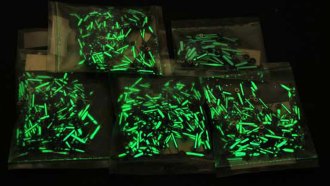
Some atoms have unstable centers. They periodically give off energy. This activity has a special description.
- Chemistry
Scientists Say: Osmosis
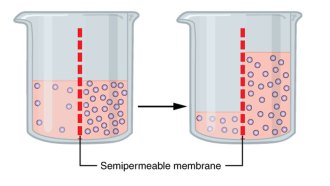
When two solutions are separated by a membrane where only the liquid can cross, the liquid will move from the side with a low concentration of dissolved materials to the side with a higher concentration. This movement has a special name.
- Chemistry
Scientists Say: Dioxide
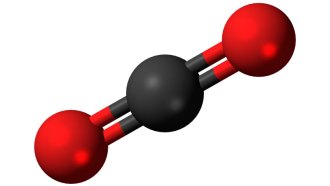
Carbon dioxide, sulfur dioxide and zirconium dioxide all have something in common. They are all molecules with two oxygens bound to some other element.