Scientists Say
A weekly word defined, in a sentence and in context. Click here to find the alphabetized list.
- Earth
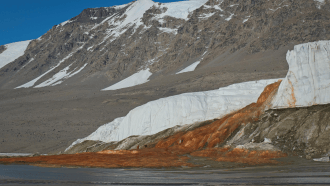
Scientists Say: Blood Falls
This five-story-tall waterfall in Antarctica gets its blood-red color from the same reaction that creates rust.
- Life
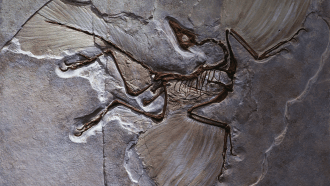
Scientists Say: Theropod
This group of dinosaurs once included Tyrannosaurus rex. Today, they include birds.
- Chemistry
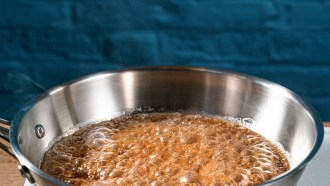
Scientists Say: Pyrolysis
This oxygen-free “burning” reaction explains why charcoal can burn, but typical campfire soot cannot.
- Science & Society
Scientists Say: Paradox
When gut instinct leads you astray, paradoxes can point the right way.
- Physics
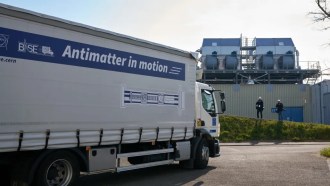
Scientists Say: Antimatter
Most of the universe consists of ordinary matter. But not all. A tiny fraction is matter’s mysterious twin: antimatter.
- Animals
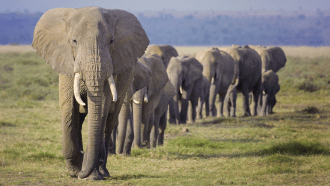
Scientists Say: Mammal
Humans, platypuses, whales and kangaroos show the diversity of this vertebrate group.
-
- Math
Scientists Say: Symmetry
From snowflakes to animal body plans, repeating patterns of shapes show up throughout nature.
- Humans
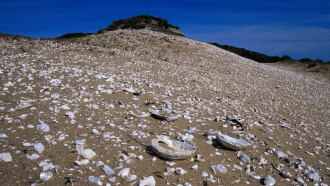
Scientists Say: Midden
One ancient person’s, or animal’s, trash may become an archeologist’s treasure.
- Life
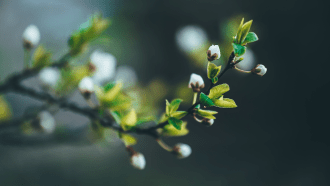
Scientists Say: Phenology
This field of science identifies the environmental cues behind life cycle patterns.
- Animals
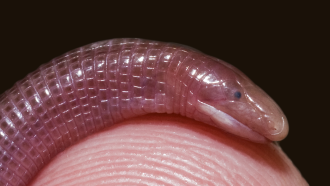
Scientists Say: Amphisbaenian
Little is known about these elusive soil-dwellers that resemble both worms and snakes.
- Chemistry
Scientists Say: Alloy
These metallic mergers support our tallest buildings and our finest jewelry.