Uncategorized
- Climate
Seven tips for staying safe in frigid weather
Maps? Check. Water? Check. Insulating clothes? Check. Here’s the checklist to consult before planning to trek out in the frigid cold.
- Climate
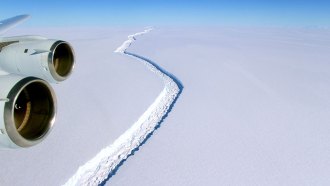
Massive ice shelf is poised to break off of Antarctica
A fast-growing crack in Antarctica’s Larsen C ice shelf could soon release a truly huge hunk of ice into the ocean.
- Computing
LEDs offer new way to kill germs in water
Growing ultraviolet-light-emitting diodes on thin, flexible sheets of metal holds promise for water disinfection and other applications.
- Physics
Weird physics warps nearby star’s light
Scientists have observed a bizarre effect of quantum physics in light coming from a nearby neutron star.
- Climate
Feverish climate is melting glaciers, study confirms
Dwindling glaciers are “categorical evidence of climate change,” a new study affirms.
- Health & Medicine
Scientists Say: Tinnitus
Ever had ringing in your ears? Tinnitus is a condition in which you hear a persistent sound that isn’t there.
- Agriculture
World’s tallest corn towers nearly 14 meters
Short nights and a genetic tweak helped novel corn reach record heights.
- Brain
Don’t let math stress you out
New research points to strategies for improving math performance in people who get stressed out by the numbers world.
- Tech
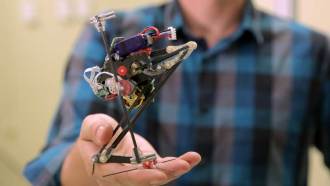
Speedy, springy robot ‘Salto’ catches some serious air
A lightweight robot nicknamed “Salto” can bound from floor to wall and back. Such fast and agile bots may someday aid in search-and-rescue operations.
- Animals
Dinosaur tail preserved in amber — feathers and all
Scientists have found the tail of a dinosaur trapped in amber. It includes both feathers and identifiable bits of bone.
- Health & Medicine
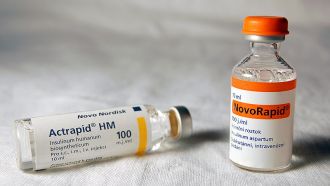
Scientists Say: Insulin
This chemical is a lifesaver. It helps our bodies use the sugars from our food, and without it, people develop diabetes.
-
The most popular stories of 2016
Our readers really like the disgusting side of things! From zombies to rot to cockroach milk, here’s what you were reading in 2016.