Uncategorized
- Physics
Explainer: How heat moves
Energy moves through the universe one of three ways: conduction, convection and radiation. Only radiation can occur through empty space.
- Tech
Hot, hot, hot? New fabric could help you stay cool
A plastic fabric can let body heat escape efficiently, if the material is filled with tiny bubbles of just the right size
- Health & Medicine
Why trans fats became a food villain
Trans fats are now known as a dietary villain. But in the beginning, scientists thought they were better than butter.
- Health & Medicine
Measles in the Americas: Going, going — gone!
The Americas have at last shed a major childhood scourge: measles. The viral infection used to kill hundreds of children each year. Now the hemisphere only sees cases spread by travelers.
- Health & Medicine
Zebra finches can ‘drink’ water from their own fat
When water is scarce, thirsty zebra finches can produce their own water. They do it by breaking down their body fat.
- Earth
Houseplants suck up air pollutants that can sicken people
Certain indoor air pollutants can sicken people. But some houseplants can remove those chemicals from a room’s air, new data show.
- Animals
Good dog! Canine brains separate tone of speech from its meaning
Dogs brains divide up the tasks of interpreting words and interpreting emotion. It’s a skill that may have evolved even before people did.
- Plants
Scientists Say: Chlorophyll
Plants can make energy out of sunlight, all thanks to a pigment called chlorophyll.
- Chemistry
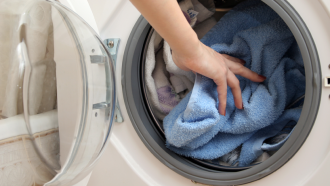
Laundering clothes may send indoor pollutants outdoors
Clothing absorbs pollutants from indoor air. During washing and drying, the fabric releases those chemicals into the outdoor environment, a new study finds.
- Brain
One day, computers may decode your dreams
Scientists are learning how to translate brain activity into words and thoughts. This may one day allow people to control devices with their minds.
- Brain
Explainer: How to read brain activity
Electricity underlies the chattering of brain cells. Here’s how scientists eavesdrop on those conversations.
- Earth
Nicotine from smoke enters body through the skin
Scientists have shown for the first time that nicotine from cigarette smoke can enter the body through bare skin from the air or contact with smoky clothes.