Uncategorized
- Chemistry
New coating for metals could cut engine wear
Scientists have developed a new coating for engine parts that could reduce friction and engine wear. One big benefit: Cars may require fewer oil changes.
- Chemistry
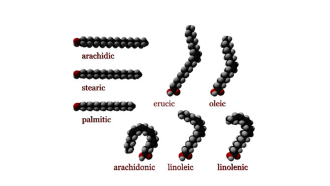
Scientists Say: Fatty acid
Fats are important, especially fatty acids. These molecules serve many purposes, but they are all constructed the same way.
- Humans
Big Viking families got away with murder
The most deadly Vikings came from families that were big enough to discourage revenge.
- Planets
A trail of cosmic dust may lead to alien life
Liquid water can be found even in the cold reaches of the outer solar system. Some hidden oceans may harbor warm oases cozy for living things.
- Health & Medicine
Surprise! Most ‘color vision’ cells see only black or white
Cone cells in the eye’s retina can see black, white or color. The black and white ones may create sharp outlines and edges that color-sensing cones then fill in like parts of a coloring page.
- Climate
Globe’s non-Africans all descend from a single move out of Africa
Look back far enough and everybody’s ancestors were African no more than 72,000 years ago. Climate scientists would up that date to perhaps 100,000 years ago.
- Animals
Tasmanian devils begin to resist infectious cancer
A deadly contagious cancer is spreading among Tasmanian devils. But the animals are evolving resistance, a new study finds.
- Space
Scientists Say: Comet
Comets are small solar system objects. When they pass close to their sun, their melting gases and water give them a tail.
- Life
Scientists watch germs evolve into superbugs
To study how bacteria can evolve resistance to a wide variety of drugs, scientists spread the germs on a food-filled plate the size of a foosball table. Then, they watched resistance rise.
- Health & Medicine
What is IQ — and how much does it matter?
Studies reveal that intelligence — and success in life — depend on more than what IQ tests measure.
- Agriculture
Bananas under attack: Understanding their foes
Fungal blights threaten the world’s most popular fruit. But genetic studies hint at new ways to combat some of these diseases.
- Health & Medicine
Pokémon no! Playing the popular game while driving is risky
Dangerous moves: Over a recent 10-day period, tens of thousands of people were playing Pokémon Go while driving — and tweeting about it.