Uncategorized
- Animals
Frozen poop reveals Ice Age squirrels’ ecosystem
Ancient ground squirrels were anything but picky eaters. Genetic material from grasses to woolly mammoths popped up in frozen squirrel poop.
- Space
Art helped this astrophysicist make sense of math
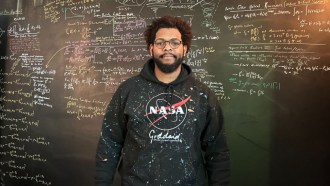
Ronald Gamble takes cues from the arts to study supermassive black holes and their spacetime geometry.
- Humans
Scientists Say: Midden
One ancient person’s, or animal’s, trash may become an archeologist’s treasure.
- Humans
Humans have used fire far longer than anyone realized
Cave dirt suggests one ancestral species was using fire around 1.8 million years ago. That pushes back the earliest known use by about 800,000 years.
- Animals
How to lessen your pet’s impacts on the planet
Climate-friendly food choices, new poop solutions and avoiding animals collected from the wild can all help make pet ownership more sustainable.
- Math
AI can be a helpful math tutor if used right — and harmful if not
Using AI to learn math concepts can boost understanding. But if used to get quick answers, AI can become a crutch that hurts learning.
- Animals
Surprise! Wax seems key in turning honeybee larvae into queens
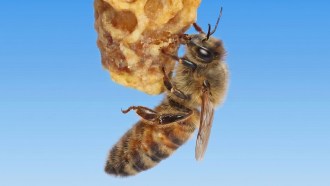
Worker bees build some ‘cribs’ with a special wax. It seems to turn larvae into royals — and challenges the idea that royal jelly was all it took.
- Fossils
A new dino may be the culprit in an ancient murder mystery
The new microraptor, Jian changmaensis, may have snacked on birds when not gliding through northwestern China some 120 million years ago.
- Life
Scientists Say: Phenology
This field of science identifies the environmental cues behind life cycle patterns.
- Humans
Explainer: What is ADHD?
Short for attention deficit/hyperactivity disorder, ADHD affects how people think, learn and process information.
- Microbes
This microbe turns into a ‘Hulk’ that eats its own kind
The shape-shifting transformation of Euplotes gigatrox may reveal how early life learned to act in complex ways.
- Health & Medicine
What to know about using AI chatbots for therapy
More and more young people are turning to AI chatbots for mental health help. There can be risks, and it’s important to know what they are, experts say.