Uncategorized
- Microbes
This microbe turns into a ‘Hulk’ that eats its own kind
The shape-shifting transformation of Euplotes gigatrox may reveal how early life learned to act in complex ways.
- Health & Medicine
What to know about using AI chatbots for therapy
More and more young people are turning to AI chatbots for mental health help. There can be risks, and it’s important to know what they are, experts say.
- Space
‘Superpuff‘ planets are as dense as cotton candy
The puffiest planets known in our galaxy orbit a sunlike star more than 1,000 light-years from Earth.
- Animals
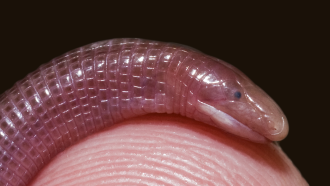
Scientists Say: Amphisbaenian
Little is known about these elusive soil-dwellers that resemble both worms and snakes.
- Tech
Explainer: What is bioprinting?
Machines can now print tissues, layer by layer, using “inks” made of living cells. This technology brings lab-grown organs closer to reality.
- Physics
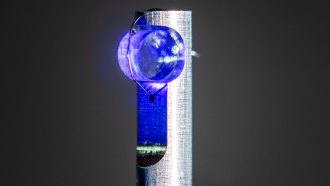
Scientists made clocks from an atomic nucleus
These super high-tech timepieces use the chemical element thorium to keep time. And as the clocks improve, they could help solve some mysteries in physics.
- Animals
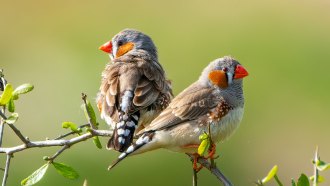
Songs prep unhatched finches’ brains for a hot world
Adult finches make “heat calls” to their eggs when temps rise. Exposure to those songs trigger chicks' developing brains to change in ways that better handle heat.
- Life
Fog — it’s alive!
Low-lying fog clouds host living microbes. That may be good news, because some of them can remove toxic air pollutants, such as formaldehyde.
- Chemistry
Scientists Say: Alloy
These metallic mergers support our tallest buildings and our finest jewelry.
- Health & Medicine
U.S. sunscreen users are finally getting a new option
FDA will now allow the use of bemotrizinol in U.S. sunscreens. This long-lasting chemical protects against the solar radiation that ages and damages skin.
- Physics
Experiment: Measure fake blood spatter
Future forensic scientists, get out your corn syrup and red food coloring! It’s time to fake a crime scene.
- Animals
Analyze This: How sea slugs get their flashy colors
Crystals beneath the skin of nudibranchs, also called sea slugs, allow the creatures to make an array of intense hues with just one material.