Uncategorized
- Brain
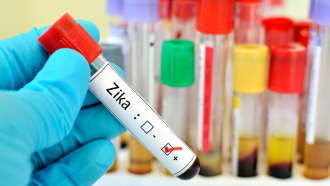
Zika can damage the brains of even adults
The Zika virus can damage a developing baby’s brain. The infection can also kill off an important type of cells in adult brains, a new mouse study finds.
- Health & Medicine
Nano medicines take aim at big diseases
Nanomedicines are new treatments and tools that are taking aim at disease from the cellular level. Medicine’s next big thing could be very teeny tiny.
- Animals
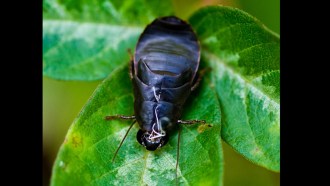
Got milk? Roach milk could be a new superfood
Scientists have just figured out the recipe for cockroach milk. And that could be a first step toward making it part of the human diet. Yum!
- Agriculture
The first farmers were two groups, not one
The humans that began farming 10,000 years ago in the Fertile Crescent may have been two cultures living side-by-side.
- Animals
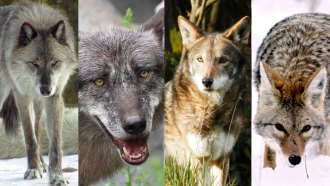
Wolf species shake-up
A genetic study says red wolves and eastern wolves may really be mixtures of coyotes and gray wolves, not distinct species.
- Health & Medicine
Blame your ‘environment’ for your taste in music
Some scientists had thought we are born with our musical tastes. But a new study finds that what the ear prefers depends on what we listened to as we were growing up.
- Health & Medicine
Diabetes seems to be climbing quickly in U.S. teens
A serious disease is showing up more often in kids. Many are unaware they are sick. Many more show signs they are at risk of developing the disease, for which there is no cure.
- Health & Medicine
Even some Olympic athletes cheat with drugs
Some athletes have been using banned drugs or other methods to boost their performance. But scientists are working on new ways to catch them.
- Earth
Scientists Say: Hoodoo
When softer rocks are covered with a harder rock layer, weathering can wear away the softer stone. This will leave behind tall thin towers — hoodoos.
- Genetics
How fake sugar can lead to overeating
Scientists have found that fruit flies and mice eat more after consuming food laced with a popular fake sugar.
- Earth
Something in plastics may be weakening kids’ teeth
The body can confuse some pollutants for a natural hormone. Researchers in France now find such pollutant exposures in childhood may lead cells to make defective tooth enamel.
- Earth
Non-scents: Pollution can confuse pollinators’ sniffers
New research uses computers to predict how much longer it takes bees and other pollinating insects to sniff out lunch in a polluted environment.