Uncategorized
- Chemistry
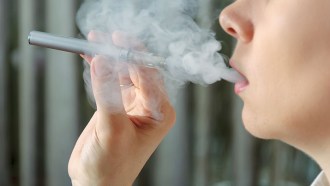
E-cigs create toxic vapors from harmless e-liquids
New study finds a primary source of toxic vaping compounds. It’s the heat-driven breakdown of the liquids that hold nicotine and flavorings. And older, dirtier e-cigs make higher amounts of the toxic chemicals.
- Climate
Climate closing the gender gap for this mountain flower
Among valerian plants, males like it hotter than the females do. So a warming climate has been speeding their migration up once-cool mountainsides.
- Animals
Frigate birds spend months without landing
Frigate birds can fly non-stop for months. They stay in the air with the help of upward-moving airflows, a new study finds.
- Earth
Falling through Earth might be a long and fruitless trip
A classic physics problem asks what would happen if you plunged through Earth’s center. A new study contends you could never make it to the other side.
- Health & Medicine
To teens, benefits are more persuasive than risks
When potential rewards and punishments are equal, teens are more likely to make decisions based on those rewards than on concerns over any risks, a new study shows.
- Animals
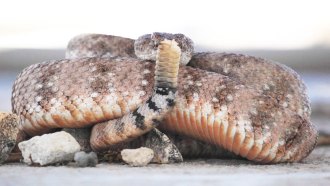
Scientists Say: Venomous
A poison-arrow frog is poisonous, but a rattlesnake is not. What’s the difference? It’s how their poisons are delivered.
- Fossils
Parasites wormed their way into dino’s gut
Tiny burrows crisscross the stomach of a 77-million-year-old dinosaur fossil. These may be tracks left behind by slimy parasitic worms.
- Physics
Why the knuckleball takes such a knucklehead path
They used to say it was how the seams interacted with the air. The new explanation is different. Scientists say its due to a ”drag crisis.”
- Earth
That’s no moon: Earth’s tiny tagalong
A newly discovered asteroid appears to be orbiting Earth, like a new mini-moon. In fact, it’s really orbiting the sun.
- Computing
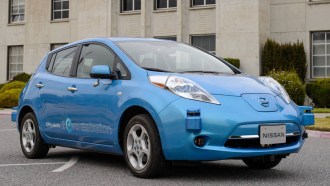
Moral dilemma could limit appeal of driverless cars
Driverless cars will have to be programmed to decide who to save in emergencies — passengers or pedestrians. Many people aren’t yet sure they are ready to choose cars that make the most moral decision.
- Animals
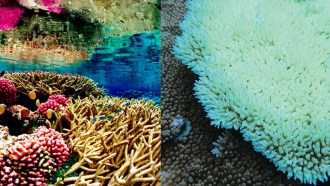
Current coral bleaching event is the longest known
Heat stress has led to the longest coral bleaching event on record. Scientists now worry that global warming may make such prolonged crises more frequent.
- Health & Medicine
Scientists Say: Poisonous
A poison-arrow frog is poisonous, but a rattlesnake is not. What’s the difference? It’s how the poison is delivered.