Uncategorized
- Health & Medicine
Explainer: What is metabolic syndrome?
A “couch potato” lifestyle of too much sugary, fatty food and too little exercise leads to health problems. This is known as metabolic syndrome.
- Brain
When smartphones go to school
Students who use smartphones and other mobile technology in class may well be driven to distraction. And that can hurt grades, studies show.
- Fossils
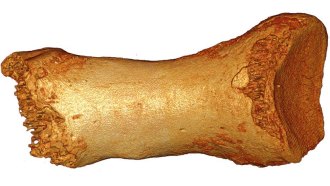
Neandertal toe contains human DNA
DNA from a 50,000-year-old Neandertal woman’s toe bone shows humans left a mark on the ancient species — and much earlier than scientists had thought.
- Math
U.S. grasp of science is improving — but there’s a catch
Americans’ grasp of science is improving. But a new study shows that adults’ scores can vary depending on how questions are phrased.
- Health & Medicine
Blood pressure rises as kids become overweight
Researchers find that children and teens who gain too much weight see a near-simultaneous increase in blood pressure.
-
Scientists Say: Replication
A scientist can run an experiment and get a result. But that result won’t be truly trustworthy until other scientists rerun the tests and replicate the findings.
- Earth
Cool Jobs: Careers on ice
From Greenland to Utah to Jupiter, scientists unlock mysteries frozen in ice.
- Health & Medicine
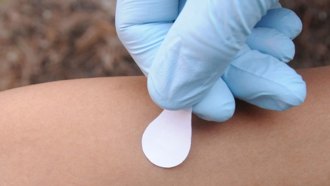
Ouchless measles vaccine could save lives
A new ‘ouchless’ vaccine patch that uses dissolving microneedles could make efforts to vaccinate against measles more practical.
- Earth
Tiny air pollutants are big, big killers
Air pollution now ranks as the world’s fourth leading cause of death. About 5.5 million deaths in 2013 trace to just one type, called particulates.
- Health & Medicine
New devices coming to assist the disabled
New technologies, including motorized prosthetics and stair-climbing wheelchairs, could someday help people overcome a range of disabilities.
- Physics
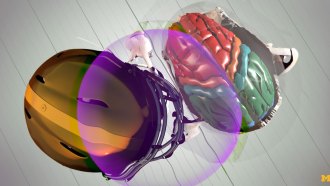
New football helmets could limit brain injuries
A new design for football helmets uses three layers to absorb energy from repeated impacts. The result should be fewer athletes with brain injuries.
- Physics
Scientists Say: Potential energy
This is the energy an object has because of its position or condition.