birds: Warm-blooded dinosaurs with wings that first showed up at least 150 million years ago. Birds are jacketed in feathers and produce young from the eggs they deposit in some sort of nest. Most birds fly, but throughout history there have been the occasional species that don’t.
climate: The weather conditions that typically exist in one area, in general, or over a long period.
climate change: Long-term, significant change in the climate of Earth. It can happen naturally or in response to human activities, including the burning of fossil fuels and clearing of forests.
migration: (v. migrate) Movement from one region or habitat to another, especially regularly (and according to the seasons) or to cope with some driving force (such as climate or war). An individual that makes this move is known as a migrant.
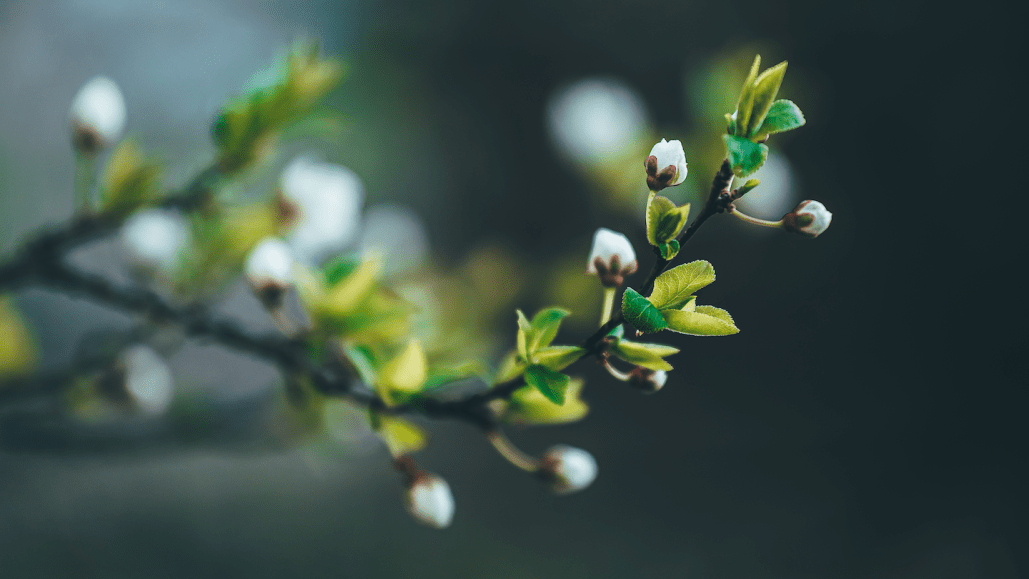
phenology: The study of periodic and seasonal phenomena in wildlife (such as when birds migrate or flowers bloom). Some of these studies focus on how one type of event (such as bloom dates) line up with another phenomenon, such as the normal arrival in a location of a pollinator for those flowers.
spawn: To quickly cause something to come into being. (in biology) To release or fertilize eggs in an aquatic environment.
species: A group of similar organisms capable of producing offspring that can survive and reproduce.
weather: Conditions in the atmosphere at a localized place and a particular time. It is usually described in terms of particular features, such as air pressure, humidity, moisture, any precipitation (rain, snow or ice), temperature and wind speed. Weather constitutes the actual conditions that occur at any time and place. It’s different from climate, which is a description of the conditions that tend to occur in some general region during a particular month or season.