
All Stories by Carolyn Wilke
- Animals
Here’s what bats ‘see’ when they explore the world with sound
High-speed cameras, fancy microphones and slick software are helping scientists get the best look yet at what bats perceive through echolocation.
- Animals
A wasp nibbled a baby bird for breakfast
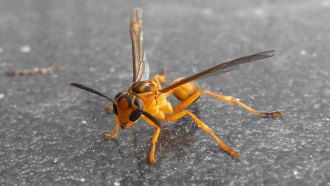
Scientists found an injured baby bird in a nest they were studying. The culprit wasn’t another bird or a reptile. It was a wasp.
- Earth
Analyze This: Perfumes from everyday products collect in distant ice
Common scent-bearing chemicals are trapped in ice cored from Europe’s tallest peak. Dig into the data to find a story behind that pollution.
- Animals
Analyze This: Hurricanes may help lizards evolve better grips
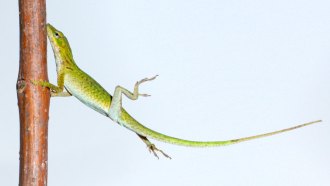
Lizards have larger toepads in areas that tend to have higher hurricane activity. This suggests high winds select for those that can hang tight.
- Animals
American crocs seem to descend from kin that crossed the Atlantic
A fossil hints that early crocodiles crossed over from Africa, millions of years ago, to colonize a new land.
- Life
For teens, big problems may lead to meaningful research
Several teens who competed at the Regeneron Science Talent Search applied their STEM know-how to solve problems they or their communities faced.
- Animals
Pooping ducks can shed the live eggs of fish
Some carp eggs survived and even hatched after being pooped by a duck. This may help explain how invasive fish reach isolated waterways.
- Materials Science
Shape-shifting cuts give shoes a better grip
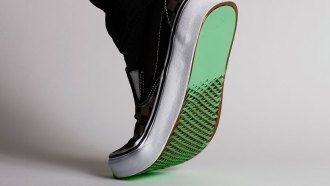
With pop-out structures inspired by kirigami and animals, a shoe sole goes from flat to spiky to boost friction on slippery surfaces such as ice.
- Physics
A contrast between shadows and light can now generate electricity
A new device exploits the contrast between bright spots and shade to produce a current that can power small electronics.
- Fossils
Fossil stomach reveals a dinosaur’s last meal
A rare fossilized stomach reveals a dino’s dining preferences. It also provides clues to the ecosystem in which the reptile lived.
- Chemistry
Working up a sweat may one day power up a device
Tech that turns sweat into power may make for greener gadgets. A new device uses perspiration to charge a supercapacitor and run a sensor.
- Chemistry
Scientists Say: Polymer
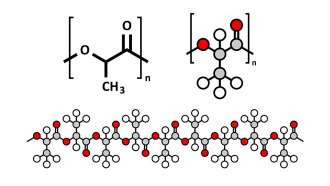
Polymers can be natural or man-made, but they are all big molecules made up of smaller units linked together.