Farm plants may help fight infections, teen finds
Her homegrown solutions may point to new ways to take down bacteria
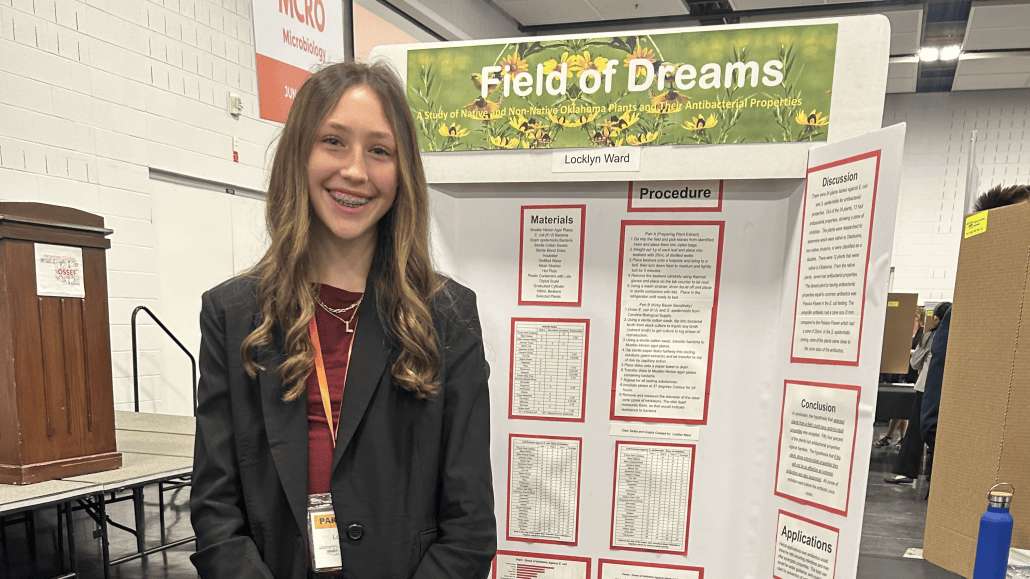
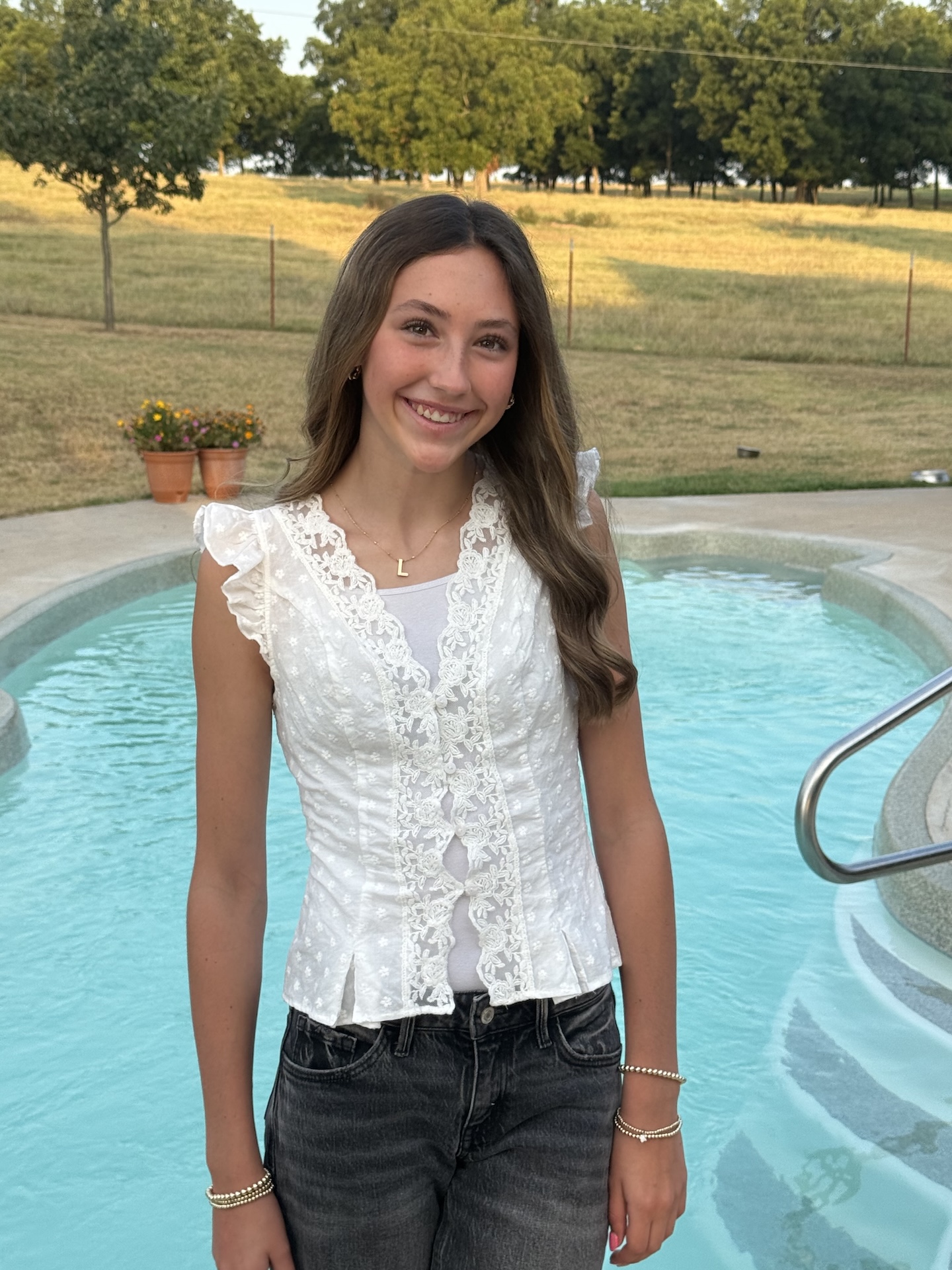
Locklyn Ward, 14, investigated whether two dozen plants found on her family’s farm could help fight bacterial infections.
Society for Science
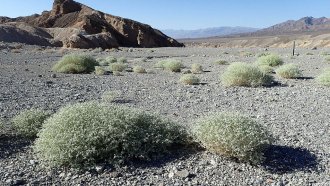
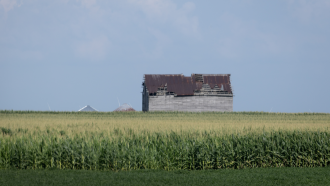
Locklyn Ward, 14, lives on a farm in Oklahoma. One evening while she was helping feed the cows, she got curious about the plants growing in the field. She knew that scientists are always searching for new ways to fight infections. So she set out to see if any of the plants growing on her family’s farm could take down bacteria.
Locklyn picked 24 plants; 12 were native to her state. She cut the plants into one-gram (four hundredths of an ounce) pieces and boiled each to extract chemicals from it. Then, she tested those extracts against two types of bacteria: Escherichia coli and Staphylococcus epidermidis. Locklyn also tested antibiotics that are currently used to treat infections.
The test involved paper disks soaked in either the plant extracts or current antibiotics. Locklyn placed those soaked disks into dishes containing bacteria. If chemicals from the farm plants had antibiotic powers, the bacteria around those paper disks would die.
No farm-plant extract worked as well as current medicines. But 13 of the 24 plants did kill some bacteria. These included seven native plants. Locklyn hopes her results may point to new ways to fight germs. Overuse of current antibiotics is leading to more drug-resistant bacteria, so new solutions are much needed.
Locklyn did this project as an eighth grader at Grove Middle School in Grove, Okla. Her research earned her a finalist spot in the 2026 Thermo Fisher Scientific Junior Innovators Challenge. This program is run by Society for Science, which also publishes Science News Explores. Here, Locklyn shares science-fair experiences and advice.
What inspired this project?
“Growing up, my grandmother often talked with me about how plants and herbs can be used for medicine and healing,” Locklyn says. “And as a citizen of the Cherokee Nation, I’ve always been interested in learning more about plants and their traditional and potential medicinal uses.”
What was the biggest challenge?
“Managing my time, because I’m involved in many extracurriculars,” Locklyn says. With church activities and sports, her schedule is a bit chaotic, she says. Doing research required finding pockets of time on weekends and after school — and sometimes saying no to other fun plans. “I used Google Calendar,” she says. “That helped a lot.”
What was your most important resource?
Locklyn’s science-fair teacher was a huge help. “She’s the one if I got bad results, she’d be like, ‘It’s okay, Locklyn, just keep going. You’re gonna get it.’” She was “very inspirational to me,” the teen says. “She’s the best.” Locklyn’s biggest piece of advice for science fair newbies is to find a mentor like this to help stay motivated through times of struggle and stress.