Circular cities go ‘green’ by reusing things over and over again
To cut wastes — and pollution — they look to maximize repairs, reuse and recycling
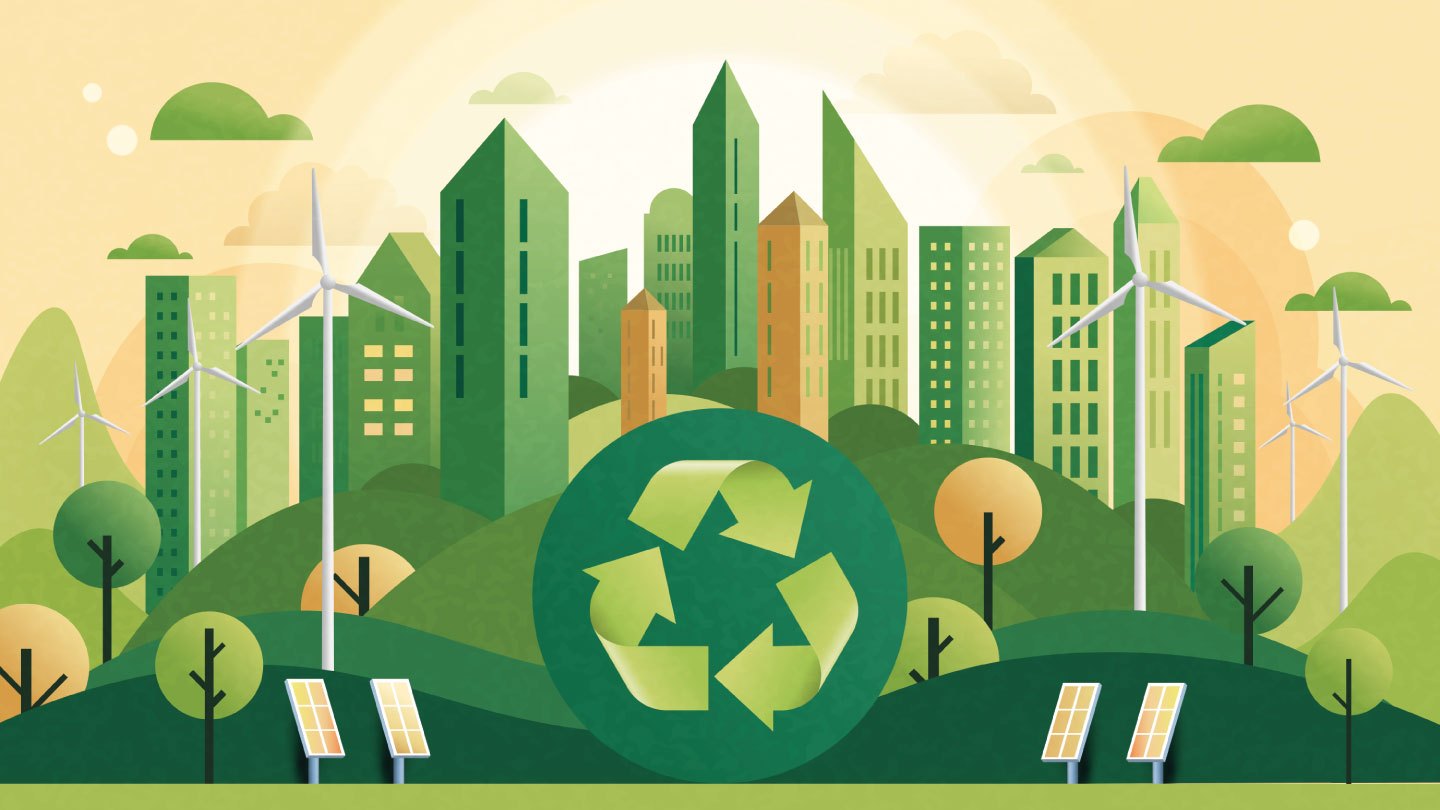
Circular cities’ initiatives go beyond traditional recycling concepts. They loop in products’ whole life cycles to minimize waste.
Man As Thep/iStock/Getty Images Plus
Suppose a seam splits on your athletic shoe. Or a toy breaks. Don’t throw it away. Many damaged items can be fixed. That can not only save you money but also help the environment. Now imagine a whole community doing this — with almost everything.
That’s the goal of some 100 ambitious communities around the globe. Describing themselves as “circular” cities, they’re looking to take materials that would have been trash or pollution and circle them into new products or use them in other processes.
It’s a new play on that old adage: Waste not, want not.
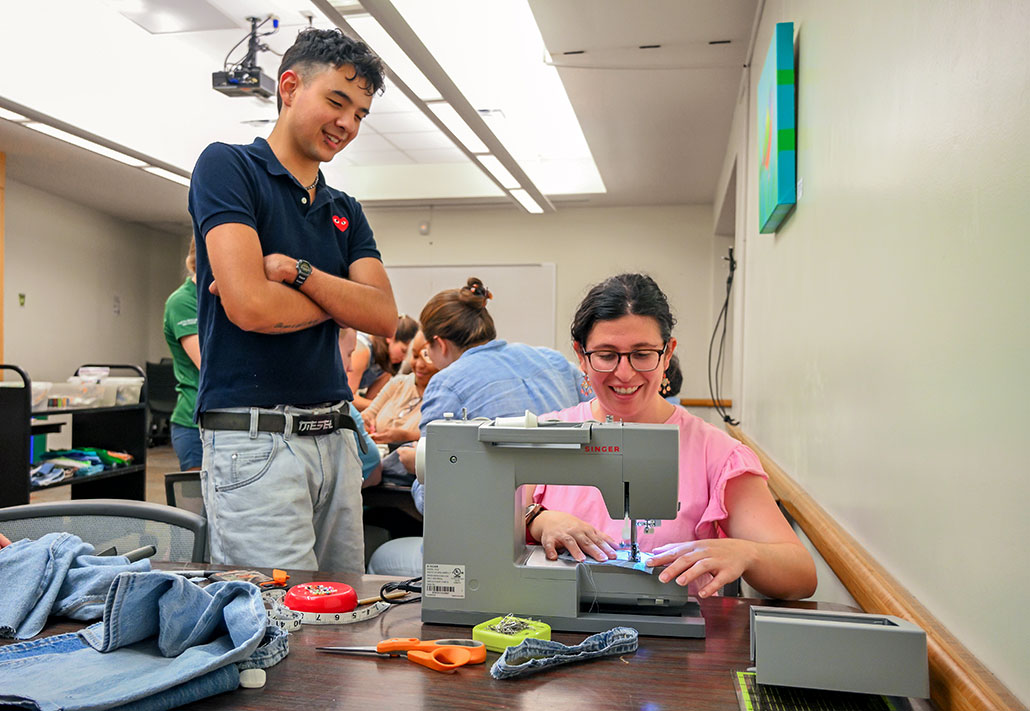
“Just because something is broken doesn’t mean that [its] use stops, that you have to throw it away,” says Wendy Riggins. She’s the assistant director for Austin Resource Recovery in Texas. It’s a part of the Austin city government. Its yearly toy-repair clinic, fix-it workshops and online videos help people keep valued possessions out of the trash heap.
Austin aims to become a major player in this so-called circular economy. Landfills are filling up. So 15 years ago, Austin adopted the goal of diverting 90 percent of its waste from landfills by 2040. “We should all strive to make [landfills] last longer,” Riggins says.
These trash graveyards also pollute. Most release methane, a greenhouse gas that drives climate change. Some leach metals and toxic chemicals. The trashed items also need replacements. Getting the resources to make them and then bringing them to stores produces yet more pollution.
Re-Use
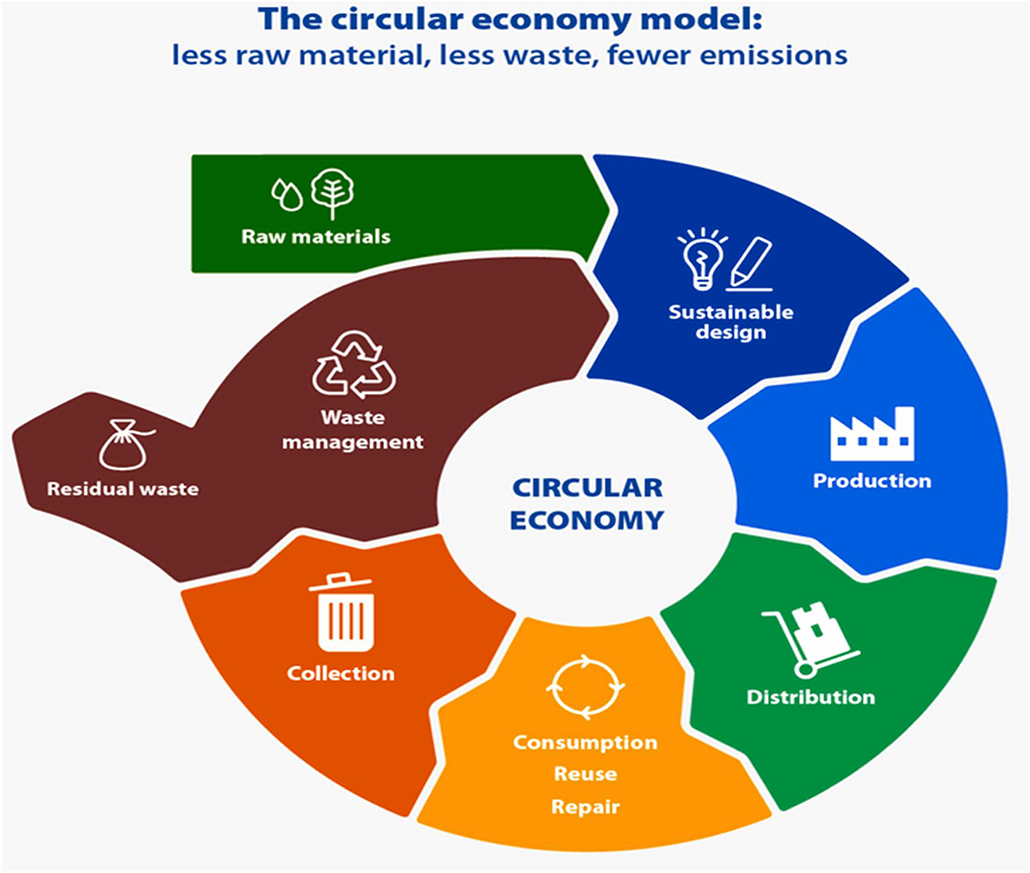
The “lives” of most goods today follow a straight line. Companies mine, harvest or otherwise obtain natural resources. Factories use these to make products. Customers buy and use those items until they break, become out-of-date or are just no longer wanted. A few of these things may get recycled. But so far, only a very small fraction do.
Circular cities aim for a closed loop. They want products to be used and reused as long as possible. When there is waste, they recycle. This slows the buildup of trash. And recovered materials can cut down on the cost and resources needed to make new things. Ideally, such goods will be designed in ways that make it easier to recycle their ingredients at some later date.
Let’s make a loop
Developing a circular economy takes a lot of planning. It must account for everything from the sources of raw materials to the way products will be built, taken to market and used. Good programs also plan for how wastes will be collected at the end of a product’s life — for use again as raw materials in new products.
Of course, cities do bring in products from elsewhere and ship things out as well. But having many people living near each other makes it easier to set up and run circular projects. City governments also purchase lots of things, which gives them the power to become steady customers for these greener goods.
“If we are big buyers, we can ask companies to deliver us more valuable solutions,” says Sacha Stolp in the Netherlands. She heads innovation in Amsterdam’s Future-Proof Assets Program. Her city hopes to have almost no waste by 2050.
That calls for putting all types of materials to work.
For example, drainage under fields of artificial grass usually carries rainwater away to sewers. A new approach in some Amsterdam fields now uses that rainwater to cool the artificial surface. A layer beneath the turf catches the water. Later, it will wick up through other layers to evaporate. That makes the plastic turf more comfortable for players, Stolp says. The design also reduces the load on the city’s storm-water system.
That one project bundles several green ideas together to achieve many benefits.
To be successful, circular cities need to find lots of ways to reuse the many types of wastes they generate. As cities look to green their waste streams, they’ve been turning to science and engineering. Here are some of the ways, big and small, they’ve been identifying new value in what had been trash.
Second-life products
Fixing things is an obvious way to cut waste. When products last longer, people need to buy fewer replacements. Donations of gently used items, clothing swaps and other sharing plans also extend products’ lives.
Used items can also inspire creativity.
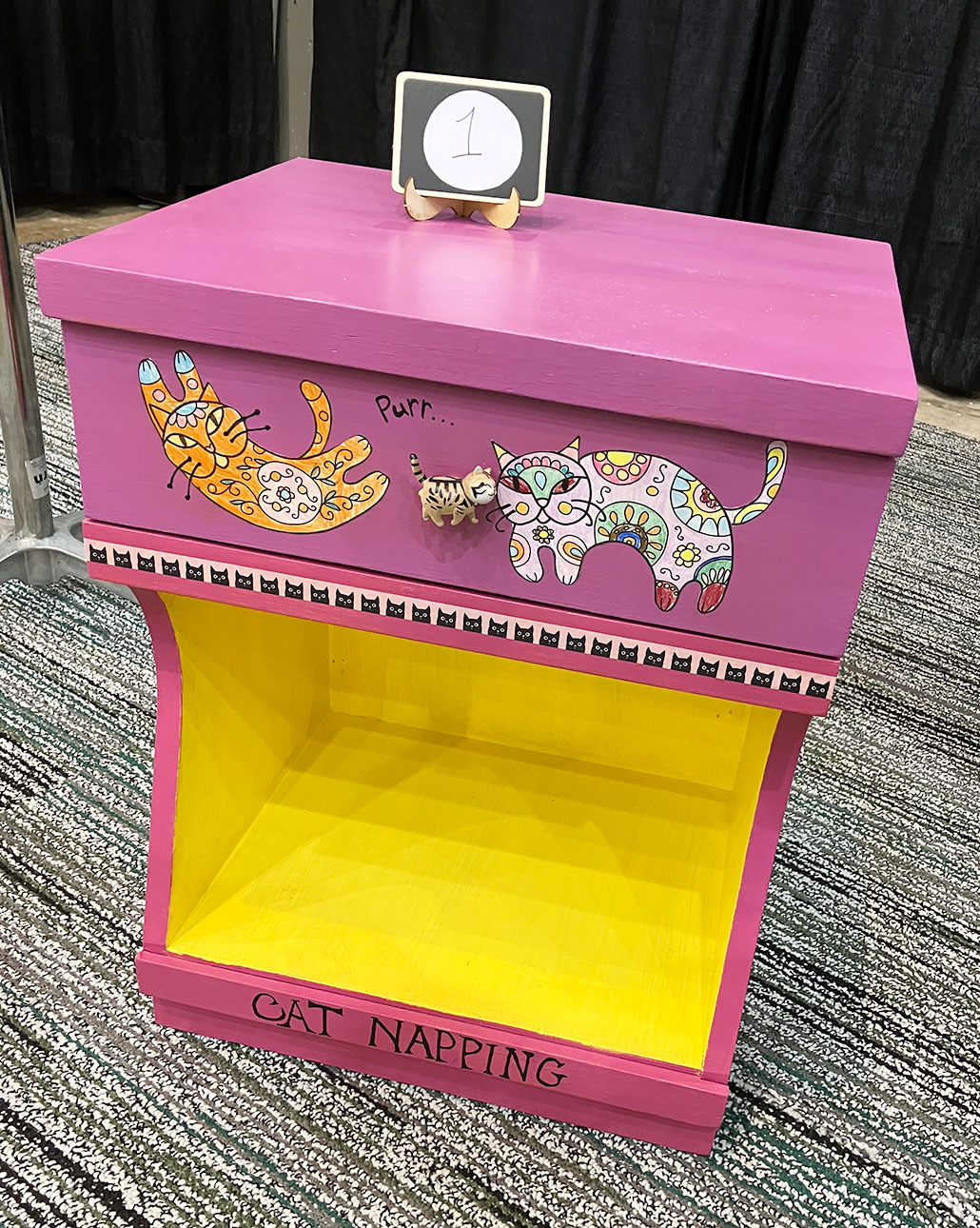
As part of a fundraiser, Matilda Redding refinished an old, yellowish nightstand. “I sanded it, and I painted it and I decorated it,” says the 8-year-old, who lives in Cleveland, Ohio. Her now cat-themed nightstand and five other upscaled items brought in $750 for Greater Cleveland Habitat for Humanity’s ReStore program. (Those sales support building and fixing homes for others.)
Such upscaling works on a larger scale, too. “Fast fashion” clothes go out of style quickly. Yet those clothes have environmental impacts, all the way from growing or making their fibers to getting them to market. When people tire of these purchases, many discards end up in secondhand clothing markets far away.
“Kenya, and Africa generally, is like the final resting place for these garments,” says Khalid Awale. He’s the creative director at Rummage Studio in Nairobi, Kenya. But not everything that arrives in Africa gets sold. Rummage Studio buys batches of the leftovers that would otherwise become trash. Awale prefers denim, corduroy and other durable cotton fabrics. He also looks for leather from jackets or other items. His studio then remakes those materials into designer bags, pouches, backpacks and other items.
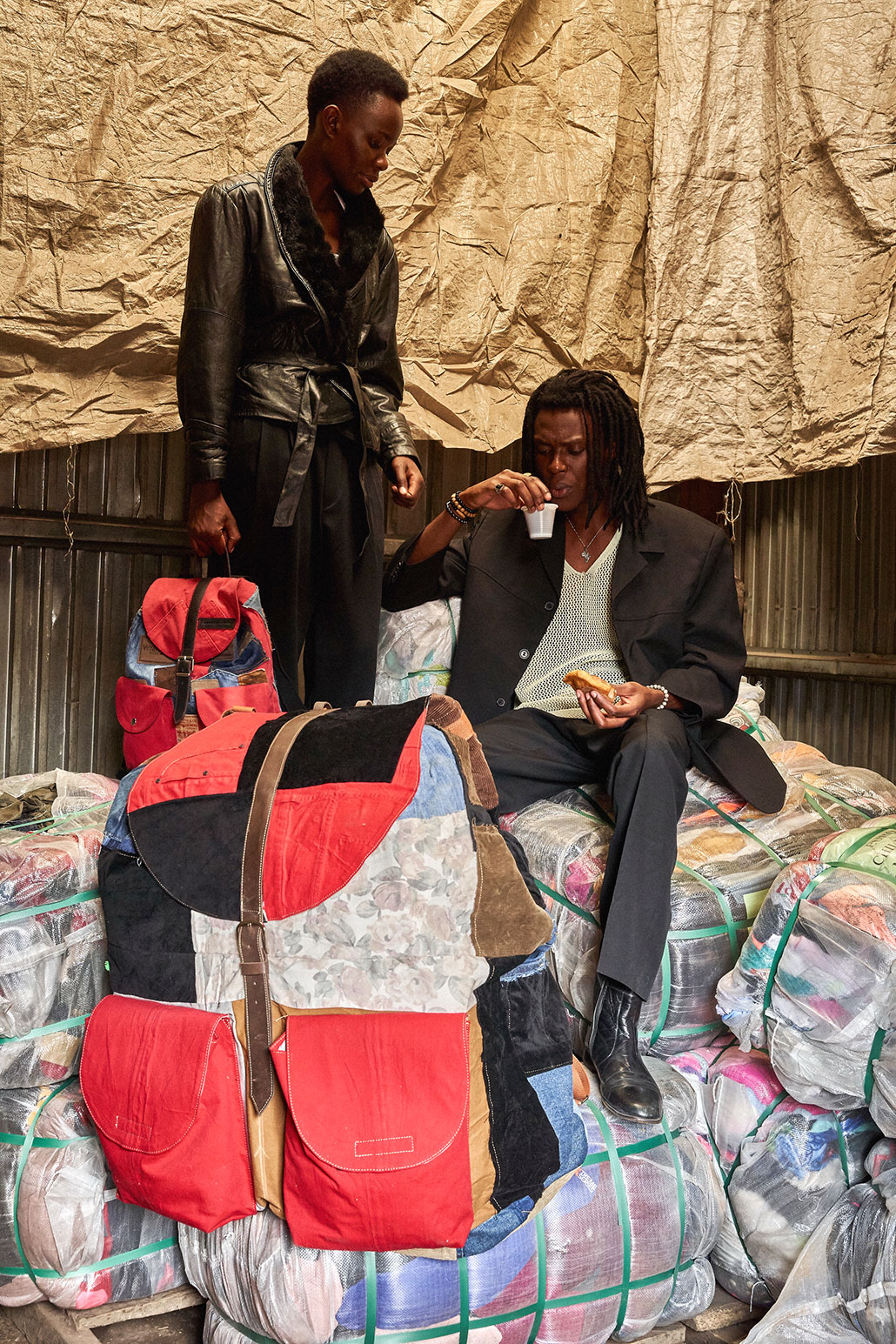
“We try to use as much of it as we can,” Awale says, because “landfills wind up just hurting the environment.” Often he can use up to 95 percent of the original garment. “What we’re doing is reusing the waste.”
Aging electric vehicles (EVs) offer a higher-tech opportunity for repurposing. Batteries let EVs run without gasoline. But their ability to hold an electric charge falls with time.
“Once a battery depletes to about 80 percent, most drivers start to notice that,” says Marie McNamara. She’s an energy manager at RMI in Boulder, Colo. Many drivers want a new battery when their cars can’t go as far between charges. But the old batteries might still be useful.
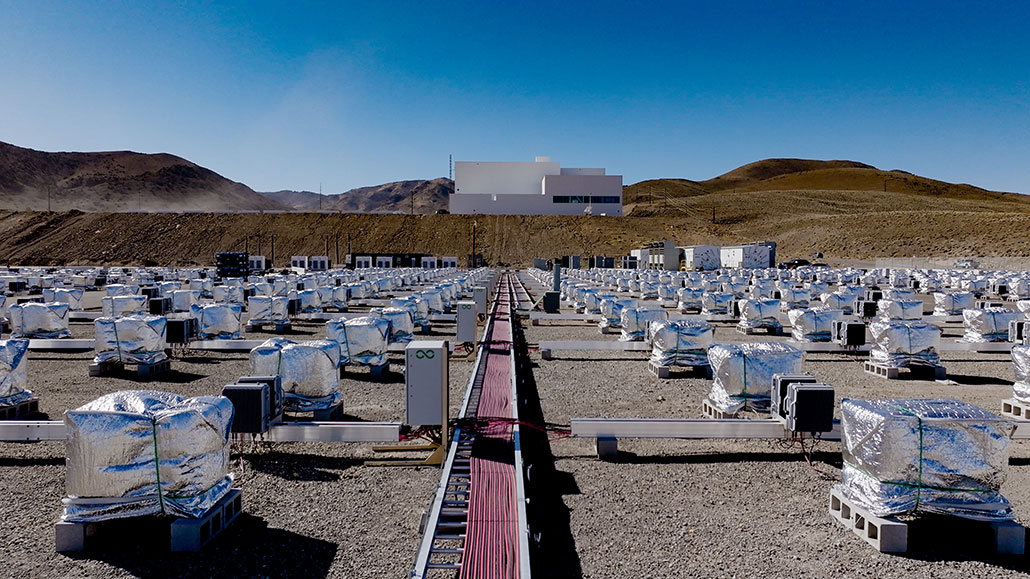
Some might be removed from EVs for a second life: They can become part of big banks of batteries that store electricity generated by solar panels or wind turbines. These batteries can release that electricity later, such as at night or when the wind isn’t blowing. Reusing EV batteries this way can cut the need for new batteries, McNamara says. Making such new batteries requires mining and processing costly metals.
Redwood Materials set up one such project last year in Sparks, Nev. Hundreds of covered EV battery packs sit outdoors in rows. This system now stores power from solar panels spread across the ground. The battery bank powers one customer’s data center, with extra electricity flowing to Redwood Materials’ own facility nearby.
The company is also a recycler. So, when the batteries wear out, it can recover their metals for new uses.
A mix of very-high and very-low tech
Reusing Lego bricks or other construction toys is easy. You pull them apart and then build something new. Doing that with real-world bricks is much, much harder. Amsterdam and some other cities want to change that.
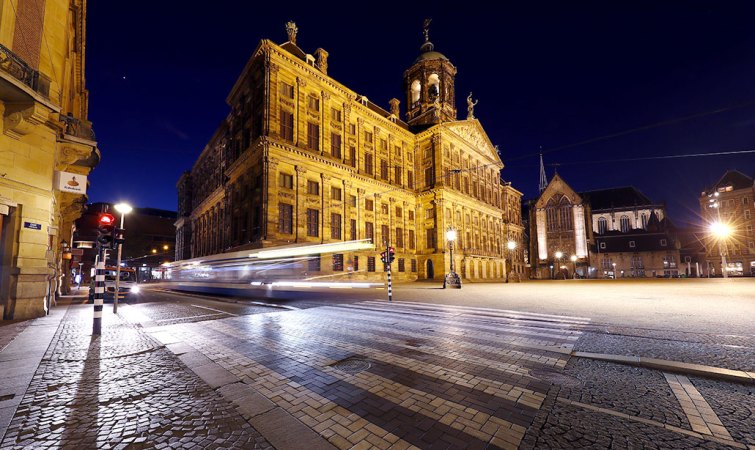
Amsterdam has lots of brick roads. The roads need to be replaced every few decades, Stolp says, even though many of their bricks will still be good. One of this circular city’s projects now uses a robot to handle bricks that still have a lot of life left. They can be used in new roads, reducing the need for more brickmaking — a dirty process that uses lots of energy.
Bricks in buildings are harder to separate, notes Carsten Panch Isaksen, an engineer. He works for the Danish Technological Institute in Odense on vision-scanning tech and artificial intelligence, or AI.
He and others recently worked on a project with a construction company that wanted to use a robot to clean old mortar from bricks. The solution combined 2-D and 3-D imaging with AI. In lab tests, the system mapped out cutting paths on sections of brick walls. A robot then cut along the lines to separate the bricks.
Today, most of the building industry relies on human labor to recycle old materials, Isaksen says. Systems like his can help automate this gritty, back-breaking work.
The Canadian city of Vancouver in British Columbia also wants to reuse more building materials. Under a local law, this circular city must recover at least three quarters of any non-hazardous materials when houses or apartments built before 1950 are taken down.
Deconstruction
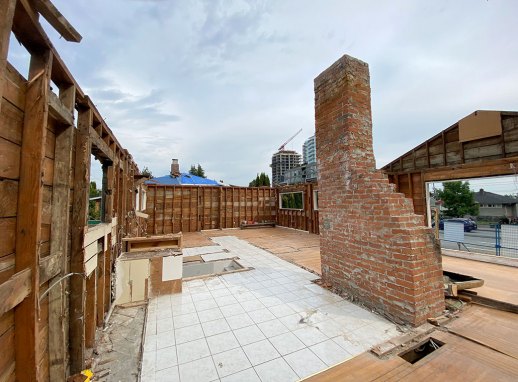
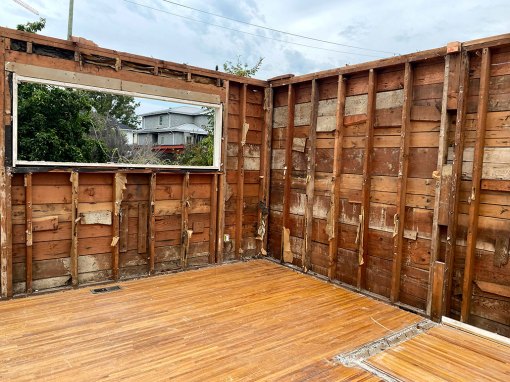
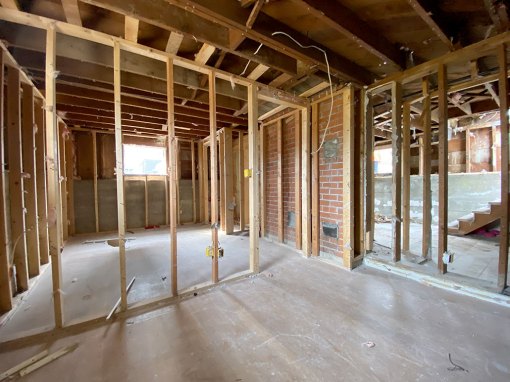
These photos show parts of the process for taking apart a home in Vancouver to recover its wood and other materials for reuse.
-
-
-
All: City of Vancouver, 2025
Jonathan McDermott directs solid-waste management for the city. “When we carefully take a building apart, we can reuse or recycle a lot of what’s inside,” he notes. This keeps lots of waste out of landfills. And fewer trees must be cut down for new lumber.
“It also helps fight climate change,” McDermott adds, “because making new building materials uses a lot of energy.” Taking buildings apart instead of whacking them down can also avoid a substantial amount of greenhouse gas emissions. Researchers reported this in the January issue of Building and Environment.
Since 2019, Vancouver’s recycling effort has found new uses for some 250,000 metric tons of building materials, keeping them out of landfills, McDermott says. That’s small compared to the area’s 1.7 million metric tons of waste each year from building, fixing and demolishing buildings. So the city and industry are pushing for companies to use deconstruction even when it’s not required.
Some of the rescued materials are actually prized over newer types. “Wood from older homes is often higher quality than what’s available today,” McDermott notes. Why? Back then, “trees grew more slowly and densely.” Reclaimed wood often “is used for things like flooring, furniture, stairs, beams — and even art,” he says.
Recovered metals include steel and copper. Doors, fixtures, windows or other materials can sometimes be saved, too, McDermott says. Even building concrete can be reused for roads or other types of new construction.
Revving up recycling
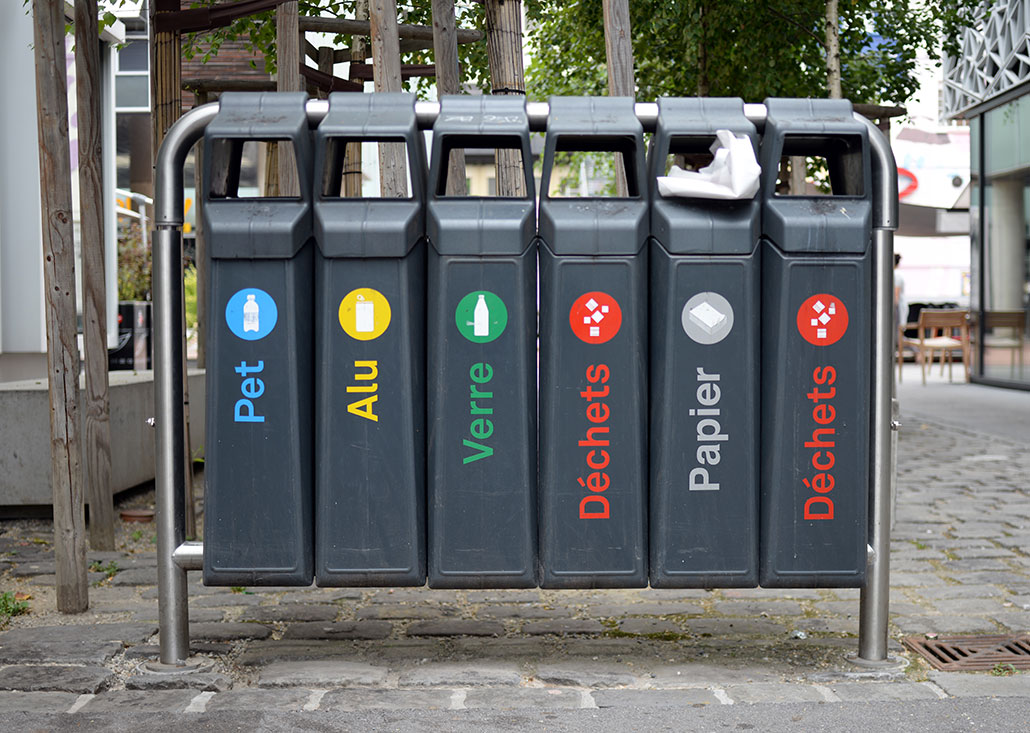
Vancouver, Amsterdam, Austin and other circular cities also focus on more everyday types of recycling. Take the composting of food wastes. Rotting discards can be turned into humus, a nutrient-rich material used to fertilize plants and improve the quality of soils.
Paper, plastics and various metals also can be recycled. But that only happens if cities or their waste collectors have access to processing facilities. In the last few years, for example, many metro areas have collected only a couple of types of plastic for recycling. Even then, much of what they collected never got recycled.
Scientists and engineers are working to change that.
Steel will also play a big role in circular economies. It’s found throughout our society, in vehicles, appliances, machinery, containers, buildings and more. In theory, steel can be recycled endlessly, says Aymara Wagner, an industrial engineering graduate student at Leiden University in the Netherlands. That work can even be powered by renewable energy.
In practice, though, most recycled steel is not top quality, she says. So companies will blend new steel into it to improve its value.
On balance, “there’s always much more new steel,” Wagner says. Iron ore that goes into that new steel tends to be processed in ways that spew huge amounts of greenhouse gases and other air pollutants. The solution, Wagner and others say, is to make changes all along the line.
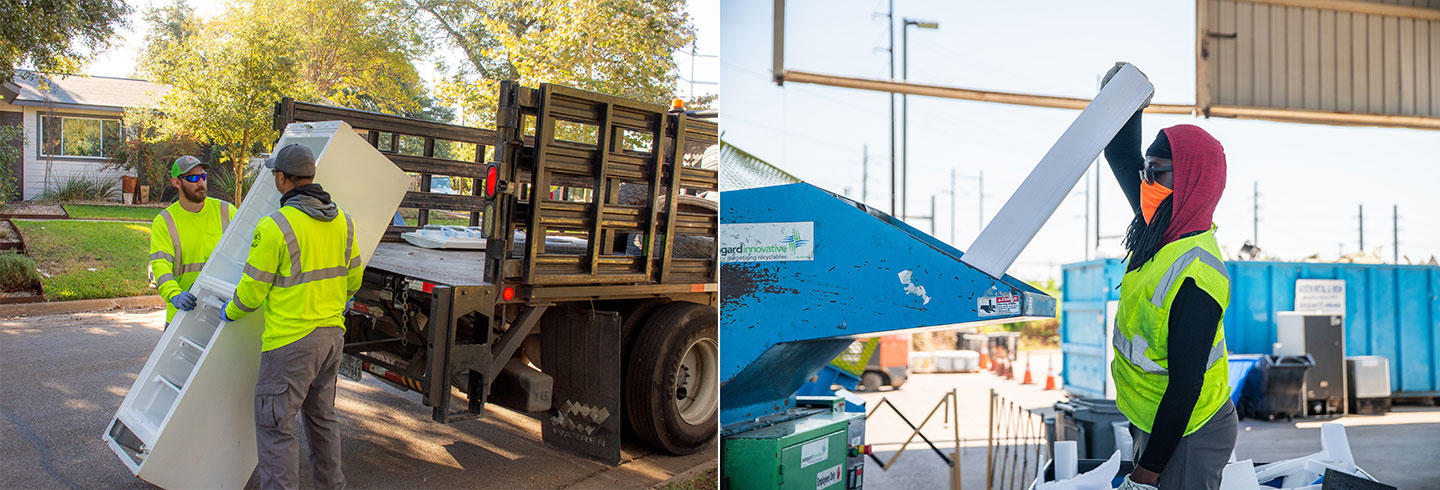
Cutting manufacturers’ waste can reduce how much steel goes into the scrap heap. More thorough shredding of steel-based products, such as used cars and appliances, can let machines do a better job of separating steel from copper wires, plastic or other debris. Removing that contamination would go a long way to boost the quality of the recycled steel.
Wagner and others described this in March in Resources, Conservation and Recycling.
Planning ahead
Most manufacturing and building so far has been done with little thought for any recycling that might eventually take place. Now companies are starting to look ahead.
“More buildings are now designed with their entire life cycle in mind,” says McDermott in Vancouver. They use materials that can be removed instead of destroyed at the end of a building’s life. Keeping records about those materials will help, too.
Such advance planning can help also with recycling more humdrum items.
Do you have a science question? We can help!
Submit your question here, and we might answer it an upcoming issue of Science News Explores
What if a product’s bottle “could tell you, when you’re done with it, how to recycle it?” That’s what Mike Colarossi proposed at a conference in Cleveland, Ohio, last March.
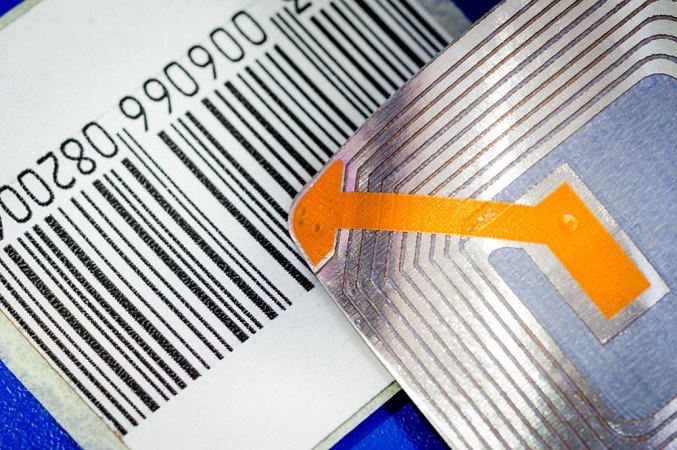
Colarossi heads up sustainability for Avery Dennison. The company makes labels and packaging. Imagine that those labels had radio-frequency ID tags. Receivers at recycling facilities could pick up digital information from those tags, he points out. Or visual scanners might read that info from a barcode. Machines could then use the information to route items to their proper recycling stream. That way, workers don’t have to puzzle over what to do with waste. And the process flows more smoothly.
Researchers from Poland, Denmark and Sweden described other smart packaging technologies in the March issue of Cleaner Logistics and Supply Chain. But simply creating such tech isn’t enough, they note. Manufacturers have to commit to using it. Consumers, too, must consciously choose products that can more easily be reused or recycled.
Changing policies beyond the city level can help, too. In the European Union, for example, new rules will make companies pay fees for the eventual recycling or disposal of things such as packaging, electronics, textiles and more.
For now, much of Riggins’ work in Austin focuses on education. Toy hospitals and fix-it clinics don’t just repair things, she notes. They also get people thinking about impacts on the environment of their decisions to repair versus trash items.
“Waste isn’t inevitable,” McDermott stresses. “It’s a design choice.” And choices matter. “Whether it’s fixing something, reusing materials or asking smarter questions about how cities work, those actions really add up — no matter where you live.”