
All Stories by Stephen Ornes
- Genetics
High-altitude help from extinct ancestors
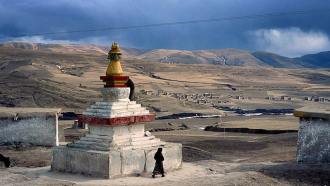
The Tibetan plateau is high in altitude but low in oxygen. An unusual version of one gene in Tibetans' DNA helps them survive this environment. And that gene appears to have been passed along from Denisovans, a Neandertal-like ancestor.
- Brain
Choosing shocks over contemplation
Some people think being alone is unpleasant. In one new study, some found choosing to get a painful shock helped them endure being alone for 15 minutes.
- Health & Medicine
Young blood: The elixir of youth?
Old mice show improved memory when blood from young mice circulated through their brains, a new study finds. Other studies suggest one ingredient in that young blood might be all it takes to deliver benefits.
- Health & Medicine
Sunlight makes pleasure chemical in the body
A day on the beach might deliver more than a tan (or sunburn). It may also release potent brain chemicals that leave people with a pleasurable feeling.
- Archaeology
Neandertal ancestor?
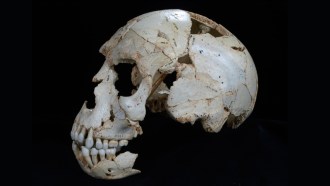
Fossils found in a Spanish cave have features that are a combination of Neandertals and other species. The mix suggests Neandertal roots go back even farther than scientists had suspected.
- Physics
Very-sub-zero water
Using lasers, scientists measured the temperature of water droplets that remained liquid even when super-cold.
- Microbes
How a germ killer could backfire
A common ingredient in toothpaste and hand sanitizers kills germs on contact. But it also can kill the helpful germs that make water safer.
- Fossils
Hot-blooded dinos? Try lukewarm
New study finds these reptiles may have had an internal furnace that sort of resembled some sharks. It appeared to run neither hot nor cold.
- Physics
Hazing: How to hide in nearly plain sight
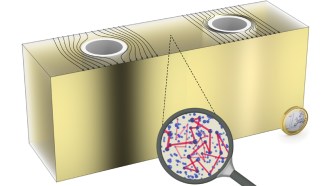
A new system takes advantage of a translucent fog of particles to hide otherwise obvious objects.
- Animals
Salted butterflies
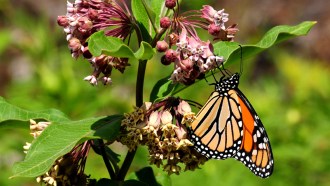
The salt used on winter ice can alter the bodies of summer's butterflies. Males develop larger muscles and females get bigger brains.
- Brain
Hunger’s little helpers
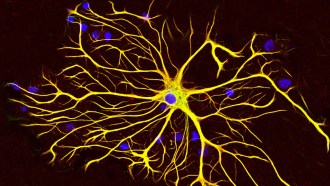
Astrocytes were thought to be nothing more than support cells for neighboring nerve cells. A new study suggests they do much more. These brain cells may help control appetite, too.
- Planets
First mega-Earth found
Astronomers are puzzled by Kepler-10c. This exoplanet is rocky like Earth — but as massive as Neptune. And that challenges their accepted ideas about how planets form.