
All Stories by Stephen Ornes
- Planets
First mega-Earth found
Astronomers are puzzled by Kepler-10c. This exoplanet is rocky like Earth — but as massive as Neptune. And that challenges their accepted ideas about how planets form.
- Environment
Native ‘snot’
The ‘rock snot’ choking rivers may be native algae. Experts blame its sudden and dramatic emergence on changes in Earth’s atmosphere, soils and climate.
- Fossils
These prehistoric fliers likely nested together
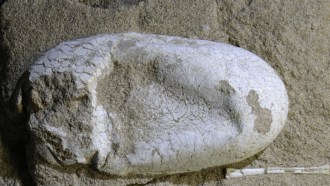
Fossils in nest of newfound pterosaur species suggest these animals were part of a social network — and may even have lived communally.
- Space
Sun sibling spotted
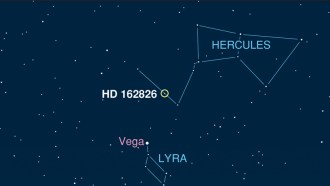
Separated at birth: Astronomers find a star 110 light-years away. It was born at the same time as our sun and from the same cloud of gas and dust.
-
Science stars are on display at the White House
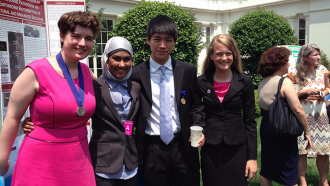
One hundred students from 30 states participated in the fourth annual White House Science Fair in Washington, D.C.
- Earth
Thirst for water moves and shakes California
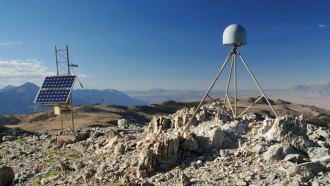
Here’s a scary cost to pumping up groundwater to slake the thirst of crops in California’s Central Valley: It may uplift nearby mountains and trigger tiny earthquakes, experts find.
- Brain
Football hits the brain hard
The brain’s hippocampus helps store memories. It is smaller in college football players — especially if they have suffered concussions.
- Tech
Saving vanishing ‘tongues’
More than 3,000 world languages face extinction. Linguists are turning to mobile apps and other tech tools to preserve these endangered languages.
- Animals
Electronics may confuse a bird’s ‘compass’
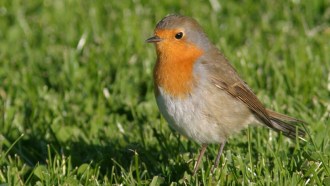
Birds use Earth’s magnetic field to help guide them as they migrate. A new study suggests that electromagnetic radiation given off by some electronic devices may act like “noise” and confuse the long-traveling birds.
- Brain
The scent of a woman — or a man
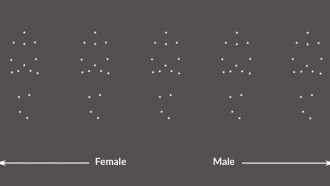
Animals unwittingly signal things about themselves by giving off subtle scents. A new study claims the same is true for people.
- Planets
A ‘Goldilocks’ world?
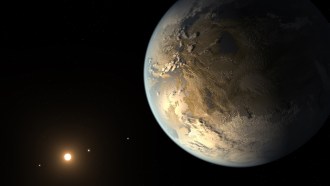
Scientists have spotted a faraway planet that is nearly the size of Earth and could host liquid water. It's too far to visit, but astronomers say the galaxy could be littered with such potentially habitable worlds. Don't hang up yet, E.T.
- Animals
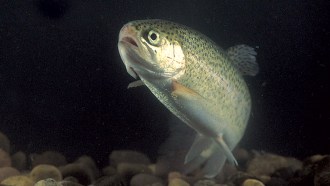
Don’t mess with a frustrated fish
When a trout doesn't get the snack it expected, look out. These fish get aggressive. Sometimes they can defeat even bigger fish.