
All Stories by Stephen Ornes
- Climate
Where will lightning strike?
When lightning strikes, the results can be deadly. But nature’s dazzling light show also can provide scientists with insights into when and where the next thunderbolt might strike.
- Health & Medicine
Ebola update: Signs of hope
The deadly outbreak of Ebola in West Africa is the worst the world has ever seen. Scientists are studying the virus that causes it and testing experimental vaccines and treatments to try to save lives.
- Health & Medicine
Early school starts can turn teens into ‘zombies’
Teens face serious consequences when they don’t get enough sleep. Yet most school start times don’t allow a full night’s rest, doctors say. The result: Too many students become ‘walking zombies’.
- Planets
Asteroids: A stepping stone to Mars?
NASA's Asteroid Redirect Mission, designed to capture and move an asteroid, may be a step toward getting to Mars. But not everyone agrees it's the right step.
- Chemistry
New nano-cages snag and hold gases
Molecular traps have been developed to snag and hold noble gases, such as krypton, xenon and radon. These atoms tend to resist arrest. But the new traps might grab onto polluting gases so that they can be recycled for later beneficial uses.
- Planets
Asteroids: Avoiding an Earthly smashup
Any of nearly 1,500 asteroids could hit Earth. Experts want to learn more about the space rocks — and maybe even bump them off course.
- Planets
Explainer: What are asteroids?
Leftovers from the creation of the solar system, asteroids are space rocks that orbit the sun. Let’s hope the big ones never become meteorites.
- Fossils
Feathers: What every dino wore?
A dino discovery in Siberia suggests feathers were common among the ancient ‘lizards.’
- Animals
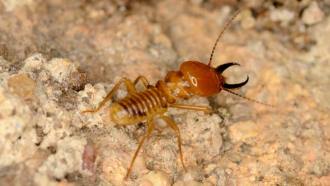
How termites ‘hear‘ about trouble
When danger comes too close, termites bang their heads against the walls of their homes. This action sends out a warning vibration that others ‘hear’ with their legs.
- Fossils
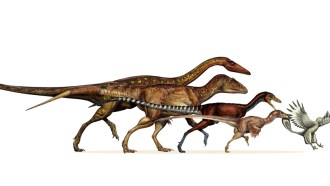
Dinos ‘quickly’ shrunk into birds
Scientists had long known birds descended from dinosaurs. A study now shows that the morphing from dinos into birds went along with a quick and steady shrinking of their body sizes.
- Physics
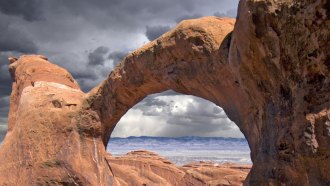
Bracing sand sculptures with gravity
Natural sculptures of sandstone withstand strong winds and rains. The reason, a new study concludes: Gravity holds the sand grains together.
- Environment
Bug-killer linked to decline in birds
One of the most popular chemicals used to protect crops from bugs may also take a toll on birds, a Dutch study finds. U.S. farmers also rely on these insecticides, a second study finds.