Questions for ‘How to lessen your pet’s impacts on the planet’
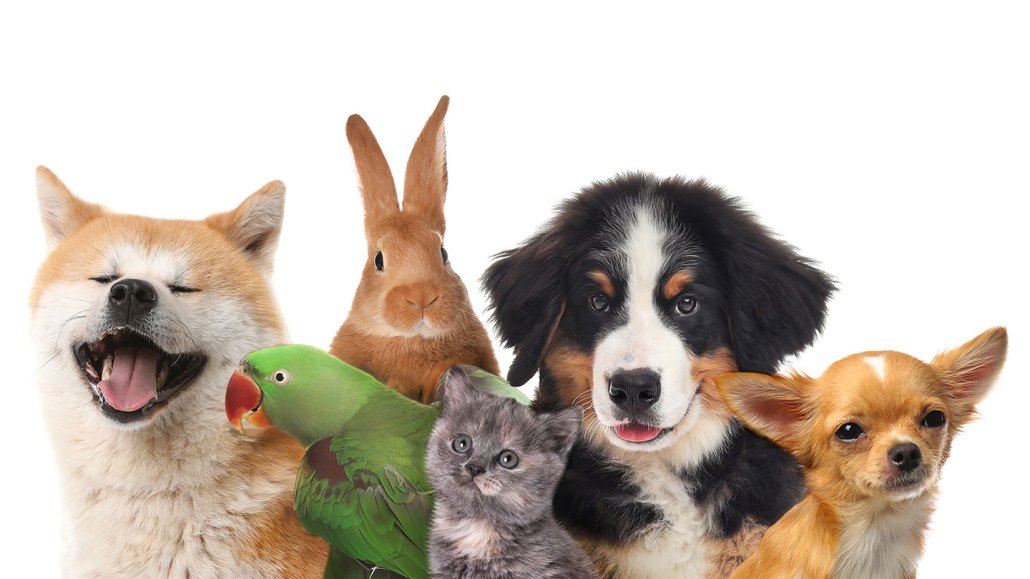
a group of happy pets against a white background, incluiding dogs, a bunny, a cat and a parrot

Pets are a beloved part of many households. But from the food they eat to where they came from, our pets impact the planet. Researchers have found several ways to make your pets’ environmental footprint a little lighter.

Liudmila Chernetska/iStock/Getty Images Plus

To accompany How to lessen your pet’s impacts on the planet

SCIENCE

Before Reading:

  1. List three animals often adopted as pets. Pick one and describe three things you must do to care for this pet. What is one way that caring for this pet might affect the environment? (The impact can be directly related to your actions, or it could be a result of manufacturing products necessary to care for this animal.)
  2. Reflect on your answer to the previous question and come up with one change that you might make to reduce the impact of pet care on the environment. Briefly explain your answer.

During Reading:

  1. Approximately how many pet dogs were there in the United States at the time of this story’s publication?
  2. What aspect of caring for a pet dog contributes most to climate change?
  3. Generally speaking, does a high-meat diet for people have a greater effect, a lesser effect or about the same effect on climate when compared to a plant-based diet?
  4. What is one way that abandoned dog poop might negatively impact the environment? To what extent might responsibly picking up dog poop, rather than leaving it behind, address this problem?
  5. Regarding pet waste, what potential solution is Emily Bryson exploring in her research?
  6. How can the presence of outdoor cats change the behavior of local wildlife?
  7. What is one way that the care of indoor cats can impact the environment?
  8. Identify one common practice of the reptile pet industry that can harm wildlife populations.
  9. How might influencers contribute to the pet trade problem?
  10. Give two examples of eco-friendly pets, according to Alice Hughes.

After Reading:

  1. Point to one thing in this story that surprised you. Briefly explain why you think this information surprised you. For instance, did this information conflict with an incorrect assumption you carried? Or did it lead you to consider things you’d never considered before? If you had to summarize the take-home message of this story in one sentence, what would it be?
  2. Imagine a pet owner reads this story and decides to make changes in how they care for their pet. Pick one type of pet this person might have. Based on the pet you’ve chosen, what changes might this person make to reduce their pet’s negative impact on the environment without affecting the pet’s quality of life? Describe two specific changes in the pet’s care — preferably fairly simple — that would likely benefit the environment.