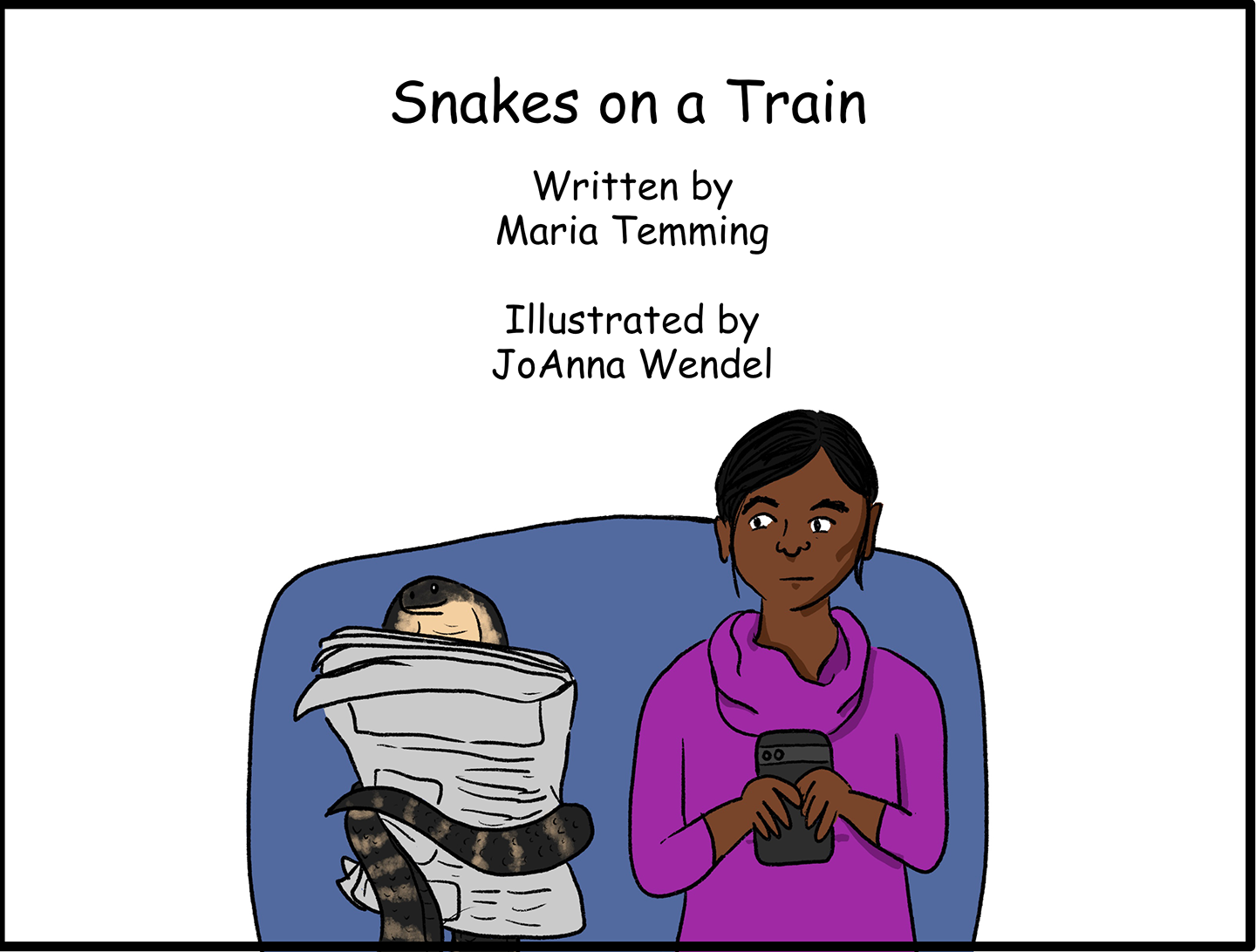
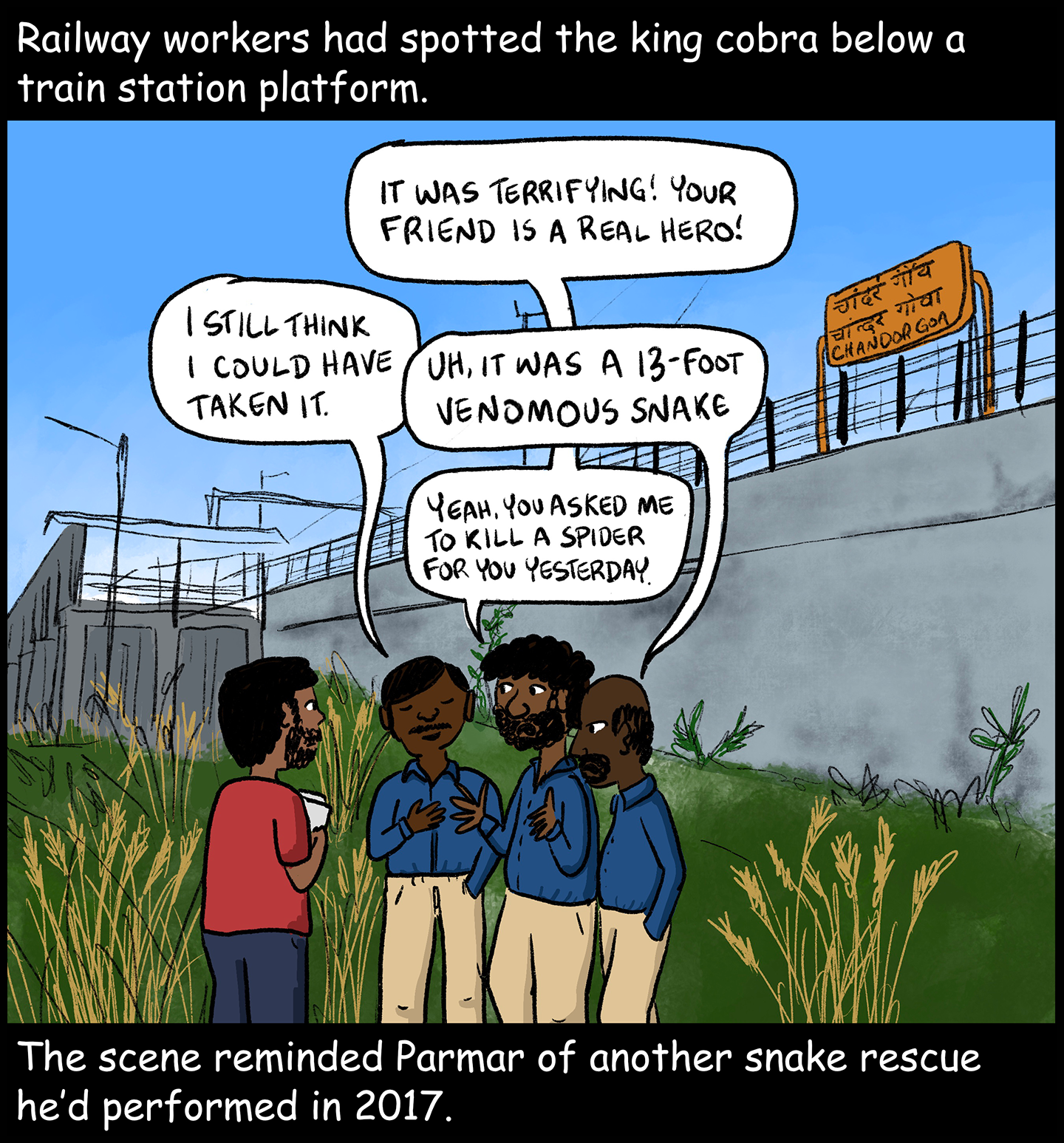
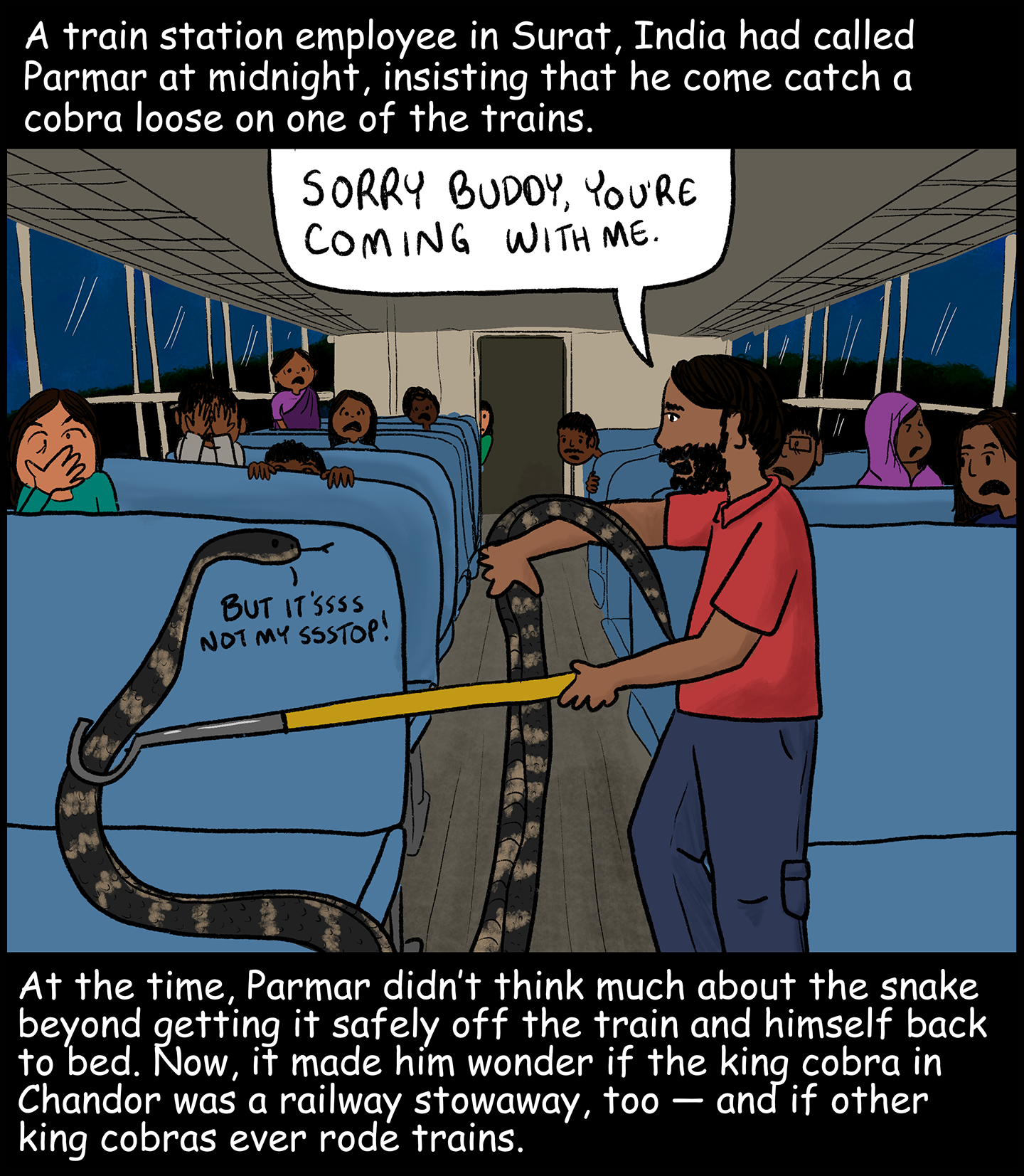
King cobras may be riding trains across India [COMIC]
Serpentine stowaways put both themselves and human passengers in danger
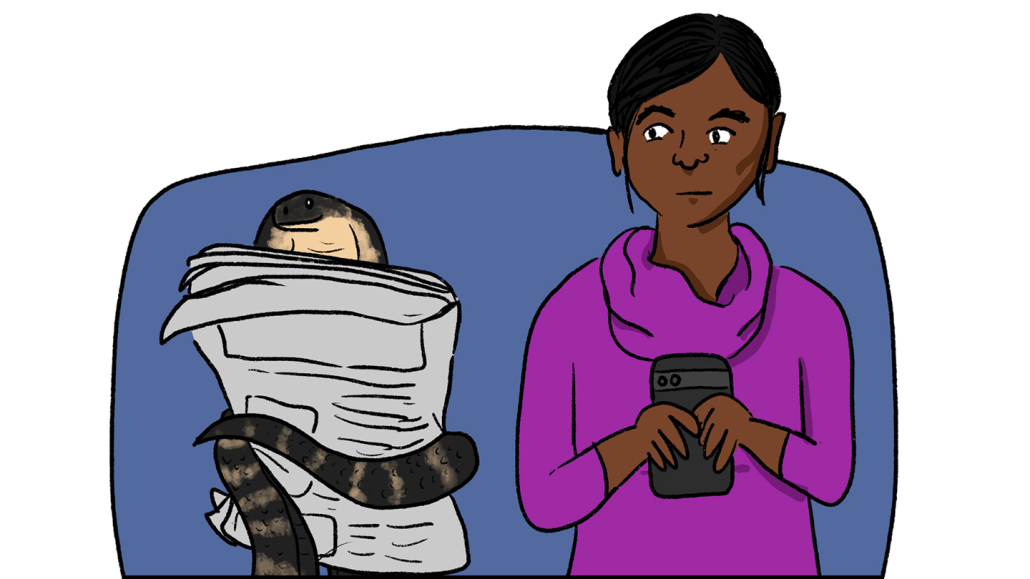
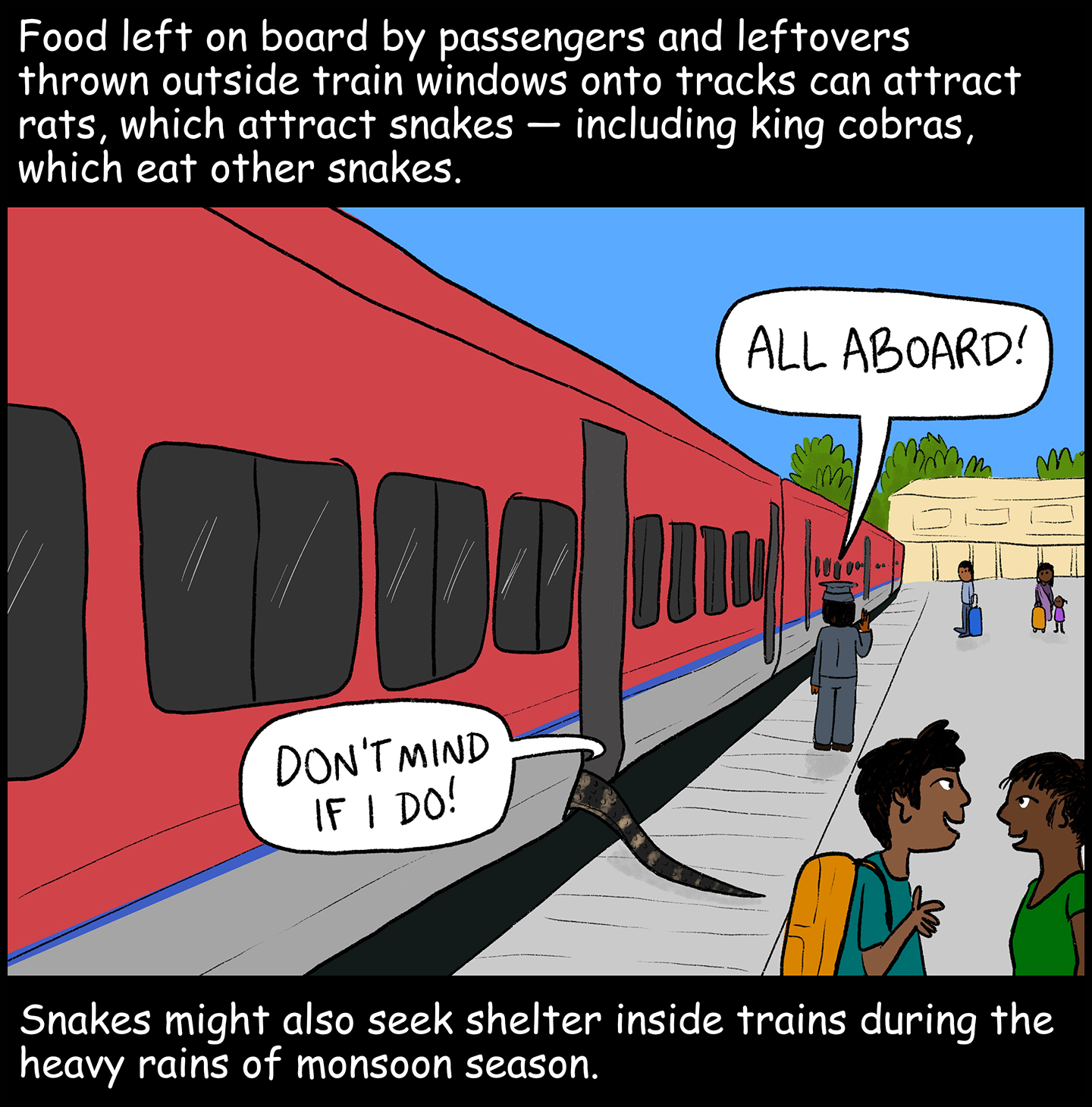
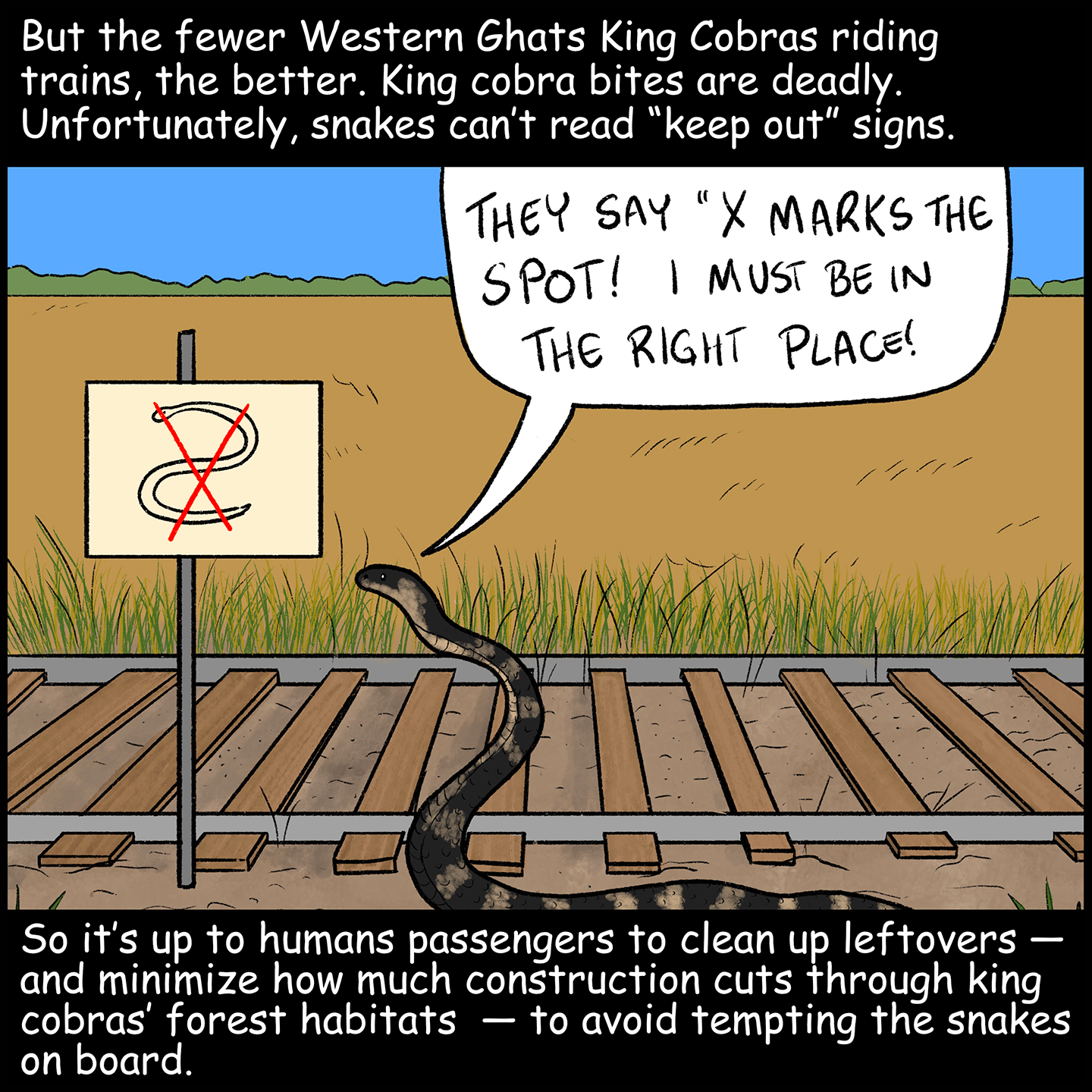
Researchers think king cobras may be lured onto trains by rodents drawn to food that passengers leave behind.
J. Wendel
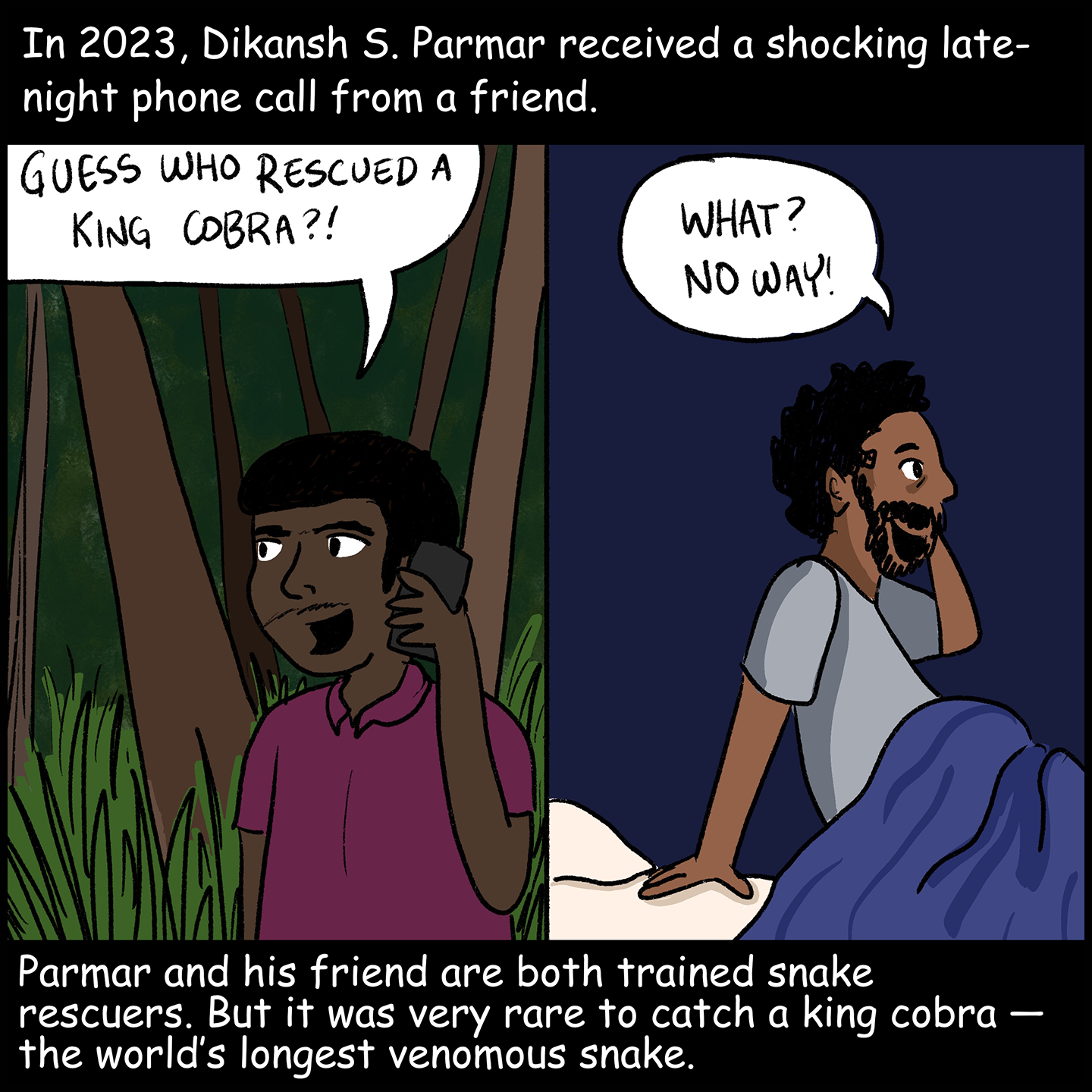
Dikansh S. Parmar rescued a snake for the first time in middle school. It happened at his karate class in Surat, India. Someone spotted a baby cobra among a nearby pile of construction materials and wanted to kill it. But Parmar stopped them. His dad had rescued snakes, and he had a rough idea what to do. He took a rod from the construction site and used it to coax the baby snake inside a water bottle.
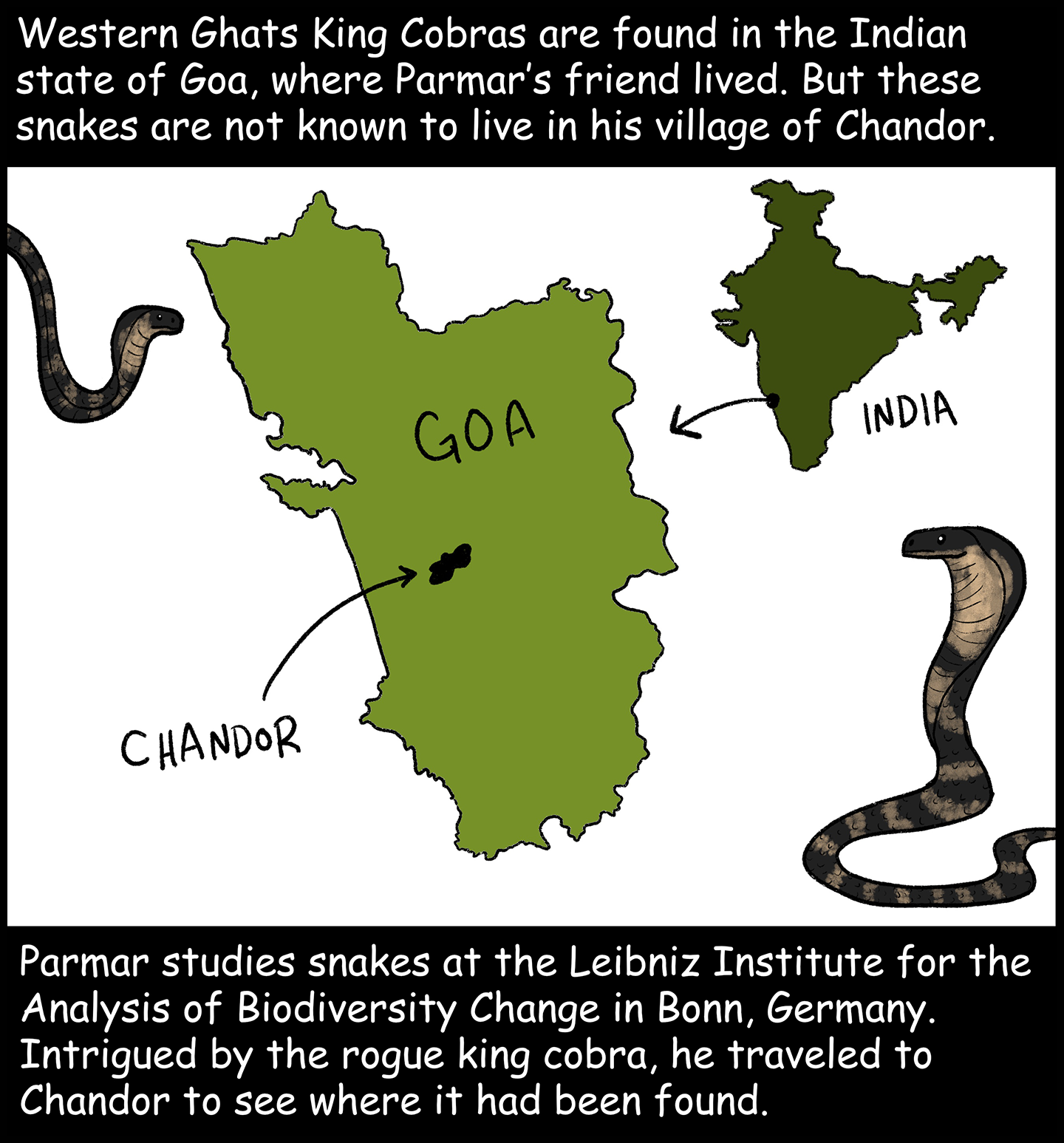
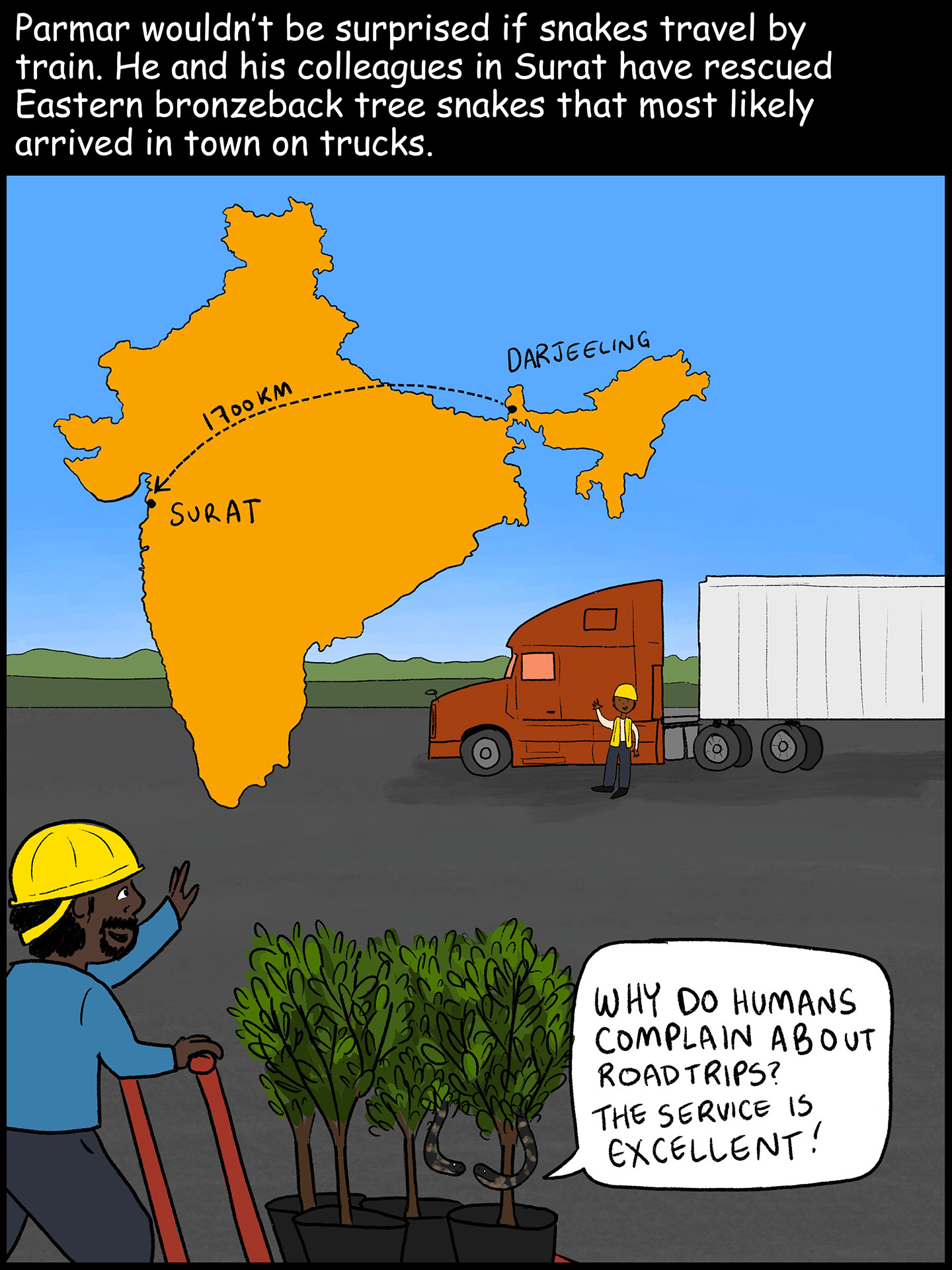
Parmar was lucky. The snake didn’t harm him. And people without proper training shouldn’t approach snakes. But this encounter inspired him to become a trained snake rescuer as a teen. Parmar is now also a herpetologist who studies snakes. He works at the Leibniz Institute for the Analysis of Biodiversity Change in Bonn, Germany. Recently, Parmar combined his snake rescue and science knowledge to discover something curious about his favorite snakes: king cobras.
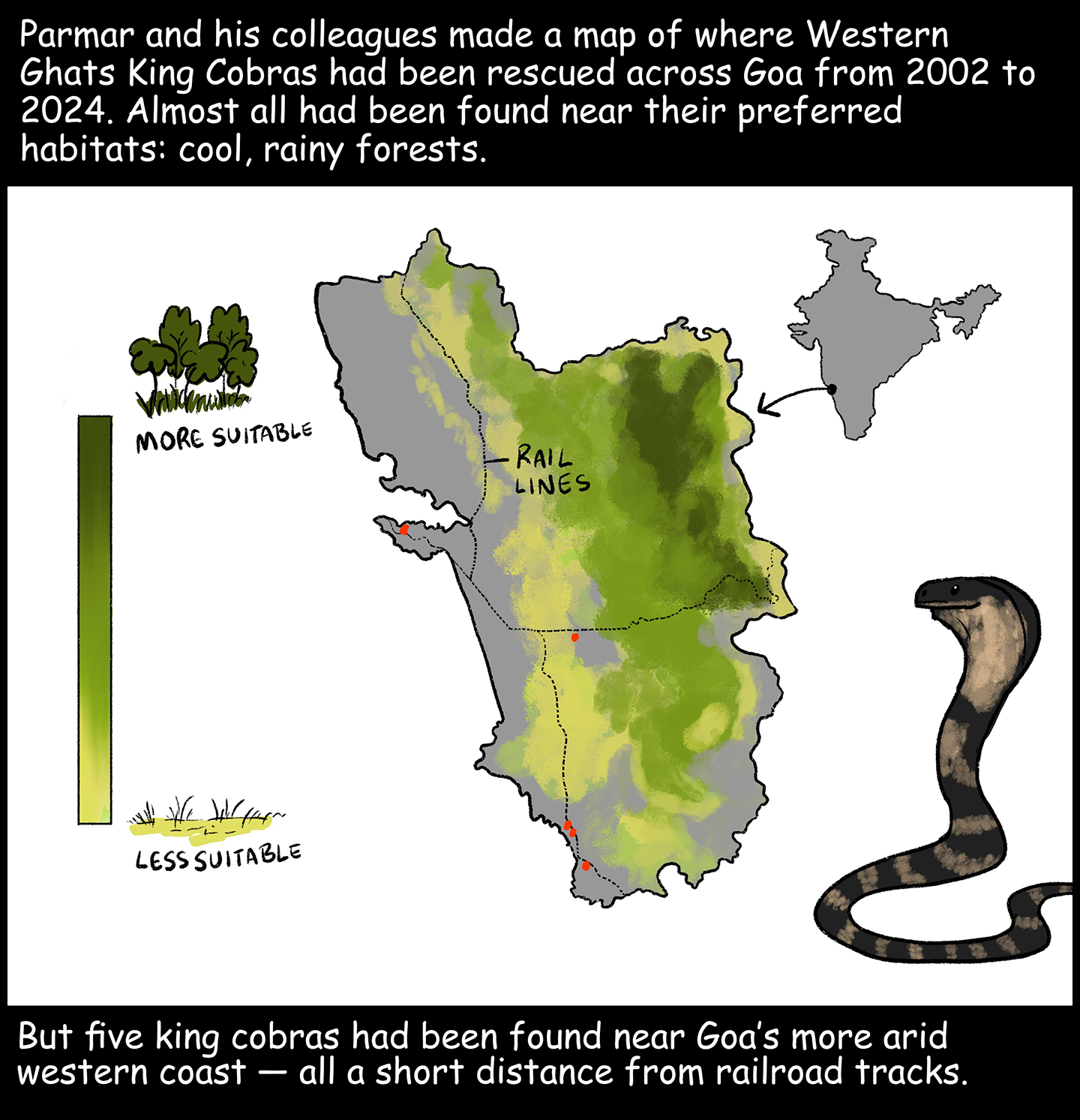
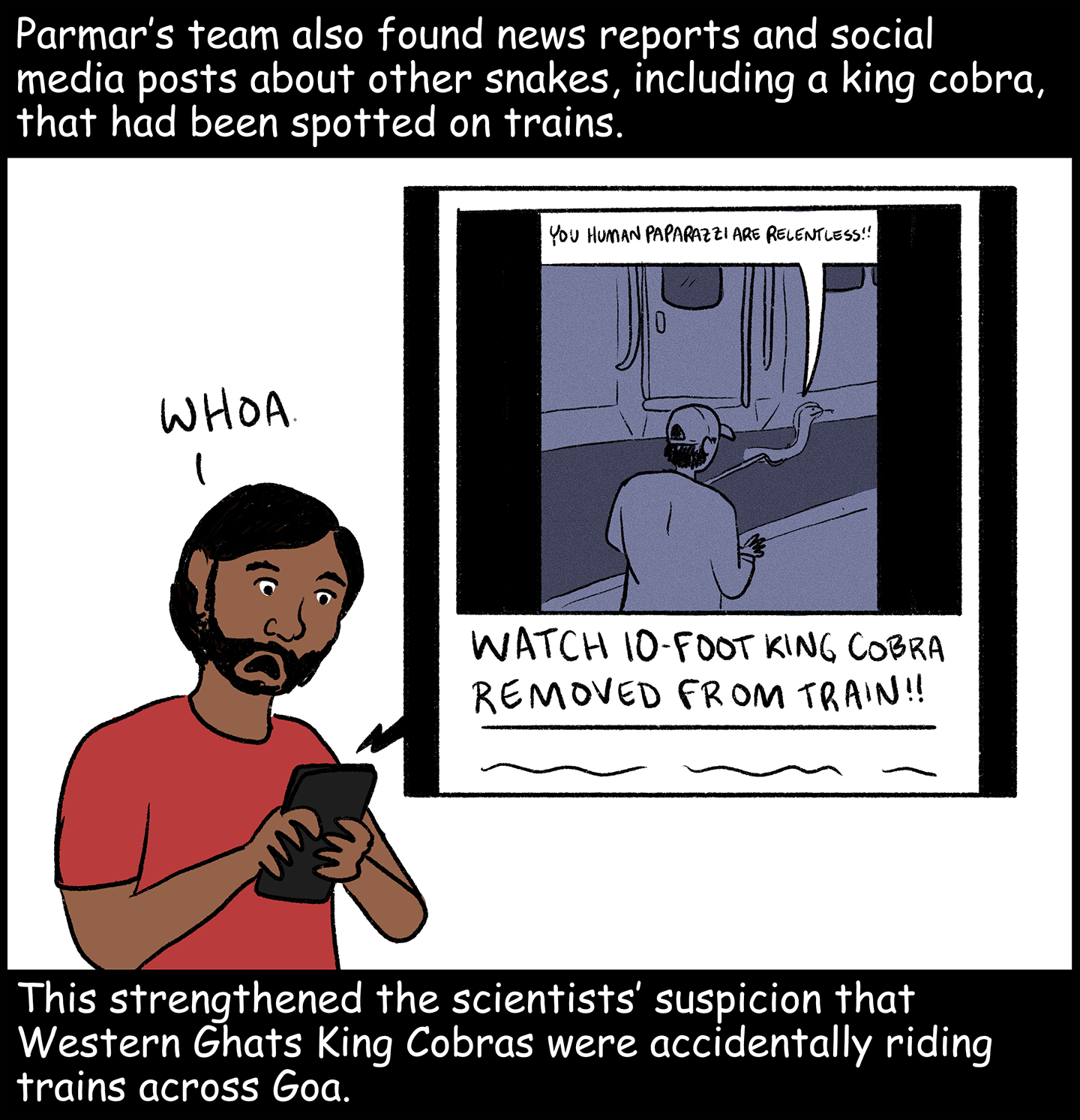
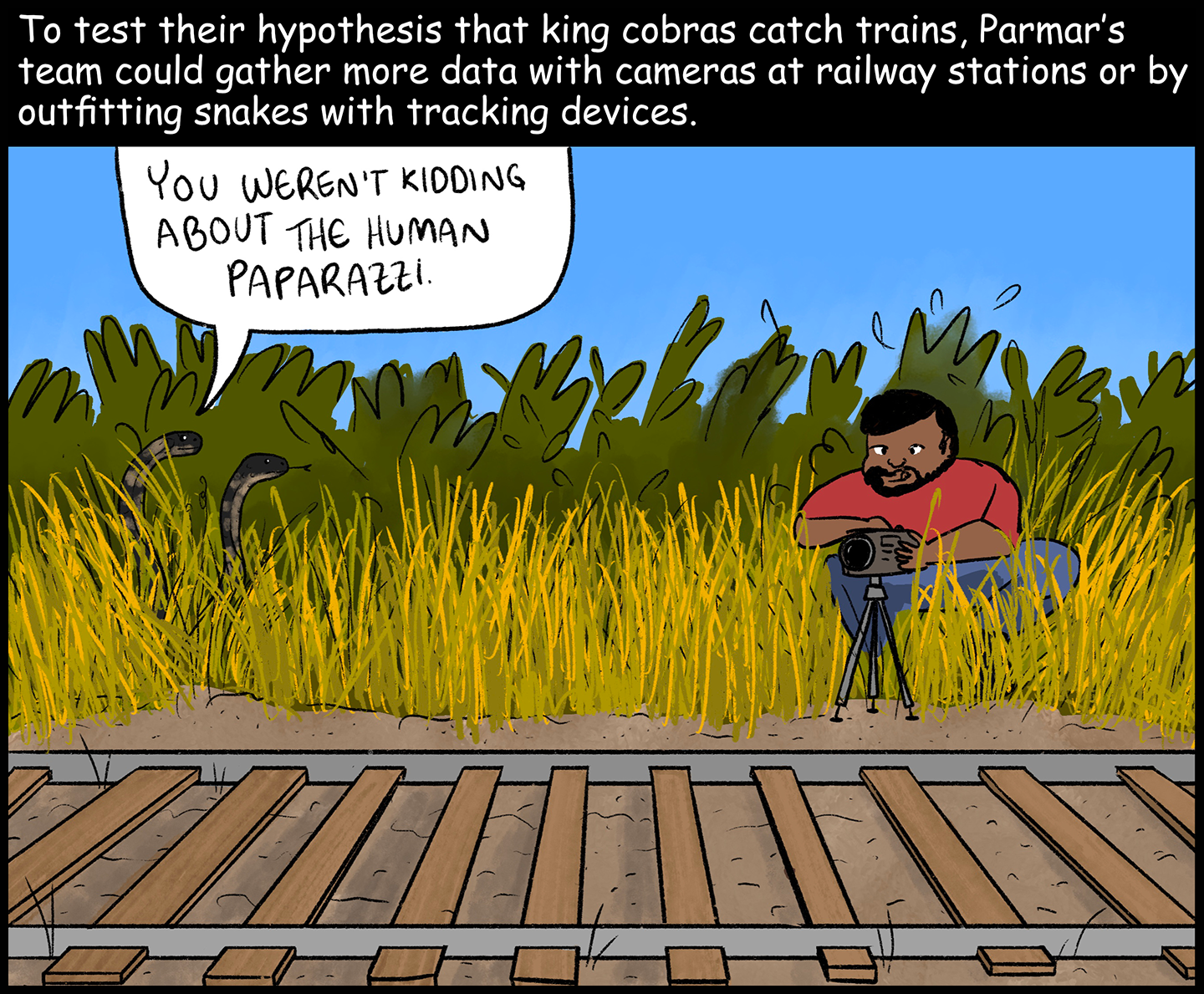
Western Ghats King Cobras (Ophiophagus kaalinga), his team found, might ride trains across the Indian state of Goa. Parmar and his colleagues shared their evidence for this January 26 in Biotropica.