Questions for ‘Sliding down surfaces can make rainwater corrosive’ 
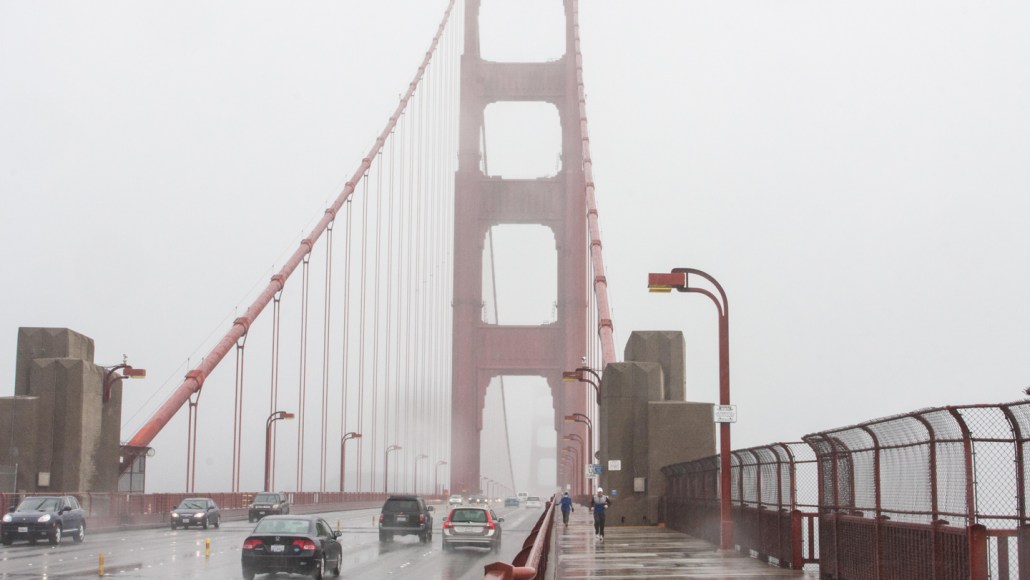
Vehicles and pedestrians cross the Golden Gate Bridge on a foggy damp-looking day.

Metal structures like the Golden Gate Bridge, monuments and cars are vulnerable to corrosion, even when covered with protective coatings.

Paul Quayle/Alamy

To accompany ‘Sliding down surfaces can make rainwater corrosive’

SCIENCE

Before Reading:

  1. How do the appearance and texture of corroded metal differ from that of uncorroded metal? To the best of your understanding, explain chemical changes that occur in a metal as it corrodes.
  2. What are some environmental factors that might cause metal to corrode faster?

During Reading:

  1. Based on the story, explain why might one rain droplet might develop an electrical charge but another might not.
  2. How do researchers hope to use this new knowledge?
  3. List two previously known ways that rain might damage surfaces.
  4. How did researchers test the ability of electrified water droplets to damage surfaces?
  5. What is Teflon? Pose one question about the effectiveness of Teflon based on the findings of this study.
  6. Contrast the effect of uncharged and charged water droplets falling on the tested surfaces.
  7. Zhongyuan Ni emphasizes that we should not worry about these charged water droplets causing harm to us directly. What does this physicist say is the primary concern regarding charged water droplets?

After Reading:

  1. Serendipitous describes a lucky accident. Many scientific discoveries have been made by serendipity. For instance, a minor lab accident may cause an unexpected or unexplainable effect. And this might inspire a scientist to investigate why. Give one example of a serendipitous discovery or observation from this story.
  2. Find one literacy practice included in the article. How does it help the reader understand the content of the article?