MS-ETS1-4
Develop a model to generate data for iterative testing and modification of a proposed object, tool, or process such that an optimal design can be achieved.
- Chemistry
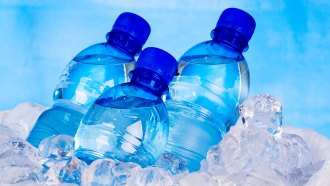
Build ice towers with bottled water and ice
Pour out liquid water into a solid ice tower. We outline the conditions you’ll need to turn this demonstration into a super-cool experiment.
- Brain
Puberty may reboot the brain and behaviors
Facing adversity early in life can hurt how children learn to deal with stress. Puberty can sometimes offer a chance to reset how the body responds to stress, returning it to normal.
- Environment
Dust can infect animals with flu, raising coronavirus concerns
Dust particles kicked up from some virus-contaminated surface can become a source of new infections, rodent data show.
- Climate
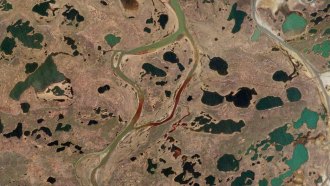
Siberian heat wave that caused an oil spill made more likely by climate change
The six-month heat wave in Siberia during the first half of 2020 would not have happened without human-caused climate change, researchers find.
- Animals
Flying snakes wriggle their way through the air
Flying snakes go tens of meters (yards) without wings. They do it by undulating back and forth and up and down, a new study shows.
- Life
For teens, big problems may lead to meaningful research
Several teens who competed at the Regeneron Science Talent Search applied their STEM know-how to solve problems they or their communities faced.
- Materials Science
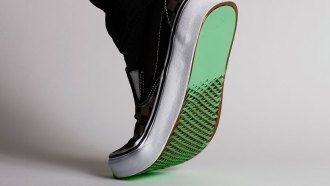
Shape-shifting cuts give shoes a better grip
With pop-out structures inspired by kirigami and animals, a shoe sole goes from flat to spiky to boost friction on slippery surfaces such as ice.
- Health & Medicine
Ah-choo! Healthy sneezes, coughs sound just like sick ones to us
Think you can tell a sick cough from a healthy one? Think again. New research finds the human ear isn’t sensitive enough to tell the difference.
- Physics
A contrast between shadows and light can now generate electricity
A new device exploits the contrast between bright spots and shade to produce a current that can power small electronics.
- Health & Medicine
Deadly heat: Expected by century’s end, it’s here already
Instances of hot and humid conditions that threaten human lives are on the rise.
- Health & Medicine
Coronavirus lockdowns may have avoided 531 million infections
Studies find big benefits from global coronavirus lockdowns. More than a half a billion of the potentially deadly infections appear to have been avoided.
- Earth
Fossil fuels appear to release far more methane than we thought
Ice cores reveal less methane than expected. This suggests today’s fossil fuel industry is responsible for nearly all of the methane emissions from natural sources today.