Physics
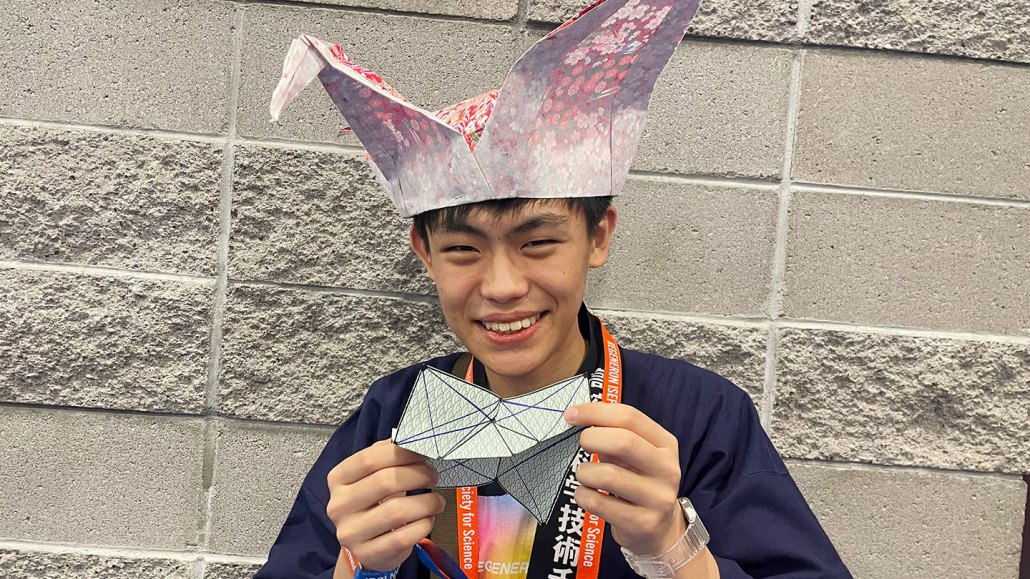
Origami research takes top prize at 2026 Regeneron ISEF competition
The top three winners each won at least $80,000. Other teen finalists shared in more than $7 million in prizes at this international science fair.
Summer is a time for sun and sand. If you live inland, build your own mini beach in this science experiment.
By recording earthquakes, seismographs help scientists better understand and hopefully predict quakes.
Slow and steady cuts with a sharp blade, video shows, can reduce the pain-inducing spray of tiny onion-juice droplets.
Two AI models designed these genomes for viruses that kill E. coli bacteria. They’re the first functioning full sets of DNA ever designed by machines.
Miles Wu, 14, tested the strength of different ‘Miura-Ori’ origami folds and showed they might be useful in the design of pop-up emergency shelters.
Levitation may seem like fantasy. But all it takes is a little physics — and sound waves, magnetism or electricity.
More than one in eight deaths from heart disease in older adults is being linked to DEHP. The plastic chemical appears to play a role in many other health issues, too.
They can sometimes identify not only the types, but also how many there are. One day, lasers might be able to keep track of what germs are around us.
These rough draft models help engineers test how a concept translates from theory to reality.