Tech
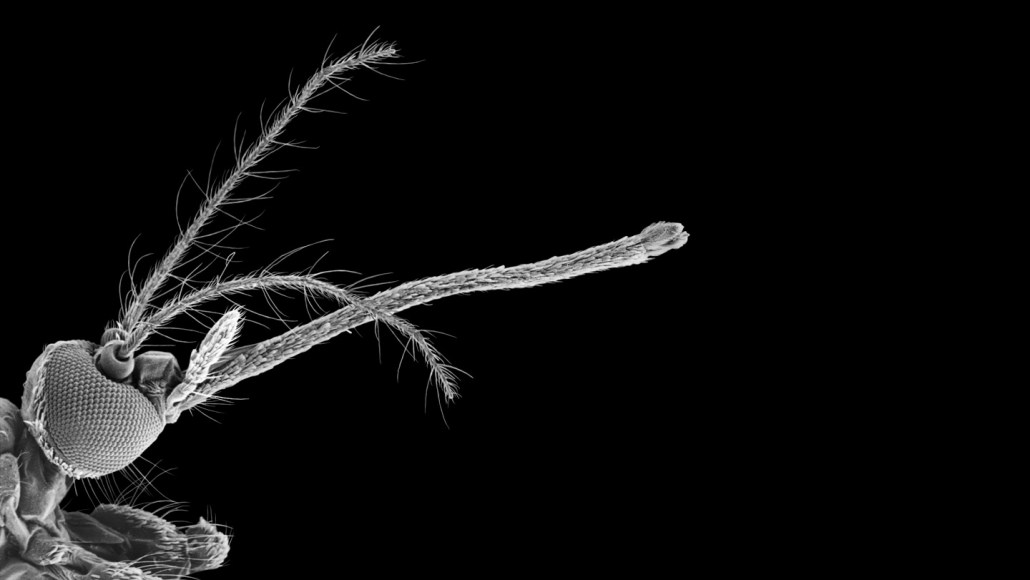
A mosquito’s mouth can ‘print’ lines thinner than a human hair
Scientists turned a mosquito’s straw-like mouthpart into a 3-D printing nozzle that creates ultra-thin lines.
By Payal Dhar
Mars would need an atmosphere thick enough to hold heat and with enough oxygen for people to breathe. This is how we might terraform Mars.
Such interactive floating graphics and virtual objects could be used to make more immersive video games and museum exhibits.
AI job-screening tools ranked white-associated names higher than Black-sounding ones. Male names also were preferred. Black male names were never favored.
A new technique could be used to make the undiscovered element 120.
At the 2024 Regeneron ISEF, Volodymyr Borysenko showcased software he created to help Ukraine defend itself in ground attacks by Russia.
Niall Williams creates algorithms that lowers the odds of motion sickness and bumping into obstacles while using virtual reality headsets.
Three grand-award winners each took home at least $50,000. Hundreds more teens shared more than $9 million in prizes at the international competition.
Experts worry that by making it harder to tell what’s true, AI can threaten people’s reputations, health, fair elections and more.
Unlike people, this type of artificial intelligence isn’t good at learning concepts that it can apply to new situations.