MS-ETS1-4
Develop a model to generate data for iterative testing and modification of a proposed object, tool, or process such that an optimal design can be achieved.
- Computing
New device tells smiles from frowns — even through a mask
Most facial-recognition software has to see the whole face to work. The new type can reconstruct an entire expression from just viewing your cheeks.
- Chemistry
Ordinary paper turns into flexible human-powered keypad
Engineers have figured out how to turn sheets of paper into rugged, low-cost electronic devices, such as a computer keypad.
- Agriculture
Learning what stresses queen bees could save their hives
Beehives often die off after the queen gets too stressed to make enough babies. New tests could identify what stressed her — and point to solutions.
- Materials Science
‘Frozen smoke’ could protect electronics from annoying static
A fluffy material made from cellulose nanofibers and silver nanowires can protect electronic devices by blocking more than 99.99 percent of disrupting interference, a new study reveals.
- Physics
Here’s how giant pumpkins get so big
Cinderella took a ride in a pumpkin coach. Though real pumpkins do get big enough, here’s why their ride would be uncomfortable at best.
- Health & Medicine
Surviving Mars missions will take planning and lots of innovation
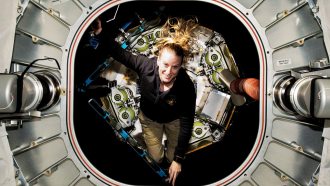
Astronauts that go to Mars will need protection from microgravity and radiation, plus mini-medical devices to diagnose problems and manage emergencies.
- Physics
Trees power this alarm system for remote forest fires
Wind moving through tree branches is all the energy needed to power devices that can detect a remote fire before it rages into an uncontrolled inferno.
- Humans
You should guess answers to your homework before searching online
Over a span of 11 years, an increasing share of students performed more poorly on exams than on their homework. Online homework help may explain why.
- Chemistry
Study acid-base chemistry with at-home volcanoes
Baking soda volcanoes are a fun demonstration, and with a few tweaks they can be an experiment, too
- Brain
Confidence can make you miss important information
Being confident can feed a confirmation bias in us, new studies show. This bias can make your brain ignore other people’s ideas and any conflicting information.
- Health & Medicine
A glowing new way to measure antibodies
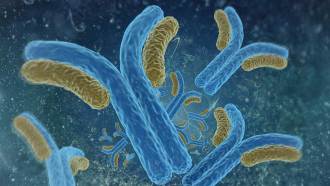
Researchers invent a way to detect and measure antibodies with glowing proteins. Antibodies can mark exposure to various diseases.
- Chemistry
New solution for carbon dioxide: Turn it into ‘green’ fuel
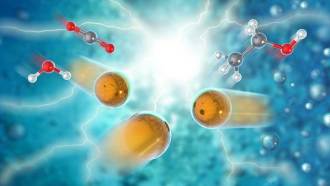
Chemists have created a new way to convert carbon dioxide into ethanol. It might one day help remove excess CO2 — a greenhouse gas — from the air.