Tech
Explainer: What is bioprinting?
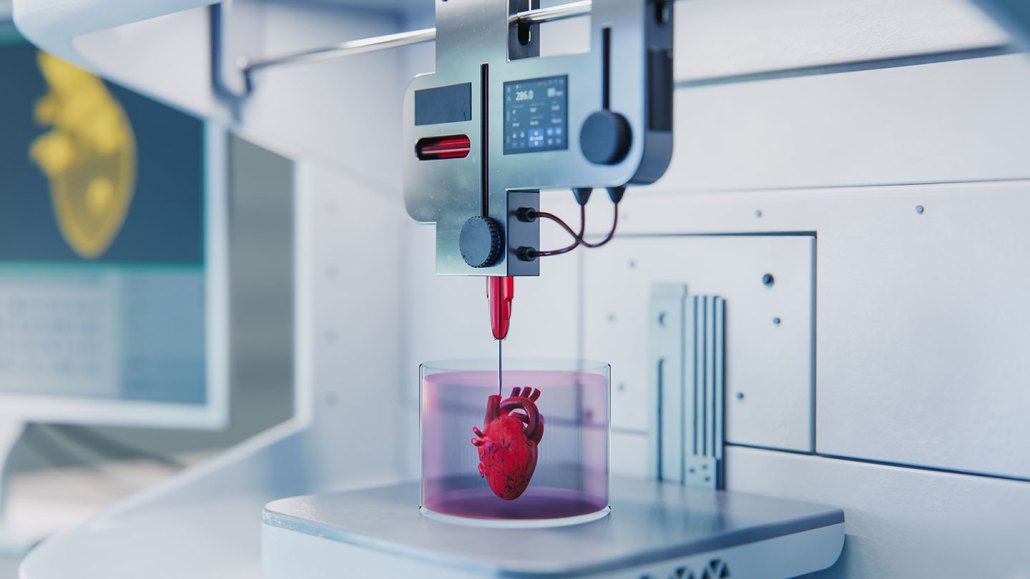
Machines can now print tissues, layer by layer, using “inks” made of living cells. This technology brings lab-grown organs closer to reality.
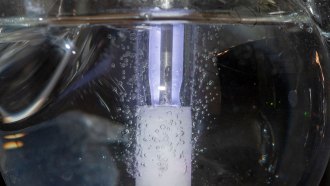
Methanol is used in plastics, paints and as a race car fuel. It’s been hard to make. But engineers have found a simple trick: Add lightning to methane.
Special pockets in these molecular structures make them useful in medicine, climate science and more.
Players often upload pictures of landmarks. AI can use these to build a virtual 3-D model of a city, which robots might use like a map to navigate the real thing.
The top three winners each won at least $80,000. Other teen finalists shared in more than $7 million in prizes at this international science fair.
High-tech turfgrass carpets will be unrolled in 16 stadiums across North America — including five that must survive despite getting no natural sunlight.
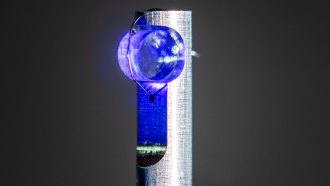
It registers nails' touch by disrupting the touchscreen’s electric field. But this high-tech varnish isn’t ready to hit store shelves yet.
A teen’s software could help guard AI that handles sensitive data against sneaky “prompt injection attacks.”
The Netflix series Outer Banks inspired this teen engineer to help clean up algal blooms in a local waterway.
Using a grid of tiny, fast-moving dots, this device realistically renders virtual textures by mimicking the feel of real-world objects.