MS-ETS1-4
Develop a model to generate data for iterative testing and modification of a proposed object, tool, or process such that an optimal design can be achieved.
- Tech
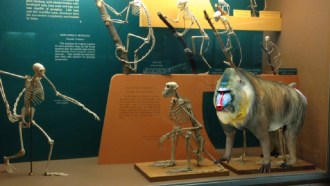
Museum app fleshes out old bones
Museum app breathes life into skeletons. But it will need more funding to make it shine.
- Health & Medicine
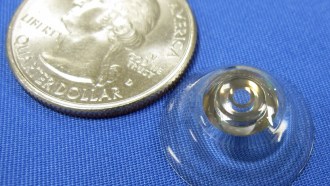
Vision-ary high tech
New devices are being developed to improve, restore or preserve the vision of people with eye diseases, such as glaucoma and macular degeneration. One device is a telescopic contact lens than can be zoomed with a wink.
- Materials Science
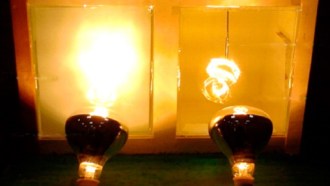
‘Smart’ windows could save energy
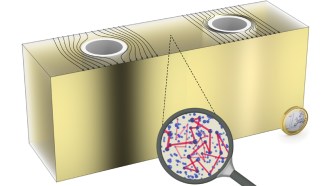
Tiny chemical droplets in a liquid sandwiched between panes of glass turn cloudy when they warm up. This will block some sunlight and potentially save on air conditioning bills.
- Climate
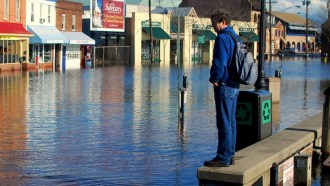
Fast sea level rise is a very recent change
Sea levels have been rising for more than a century. But that rise is now speeding up. That suggests that what is driving the rise — climate change — also has increased dramatically in recent years.
- Animals
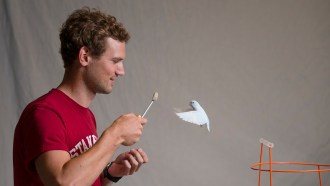
How birds stay in the air
The sensors inside a boxy device measure the forces generated with each stroke of a bird’s wings. Learning how much force is needed to keep a bird aloft could help in designing future drones that flap, hover and dart.
- Health & Medicine
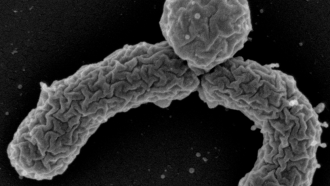
New germ fighter turns up in dirt
Scientists have found a compound in soil that can kill the microbes that cause anthrax, tuberculosis and other diseases.
- Chemistry
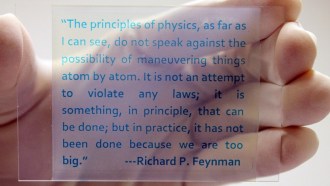
Rewritable paper: Prints with light, not ink
Rewritable paper could save money, preserve forests and cut down on waste — and all without using any ink.
- Genetics
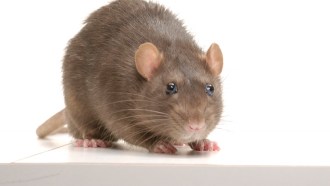
Why animals often ‘stand in’ for people
Rats, birds, fish — even flies and worms — can stand in for people in laboratory testing. This allows scientists to safely evaluate harmful chemicals as well as to identify and test potential new drugs. But such tests will never be a foolproof gauge of effects in people.
- Tech
Explainer: What is 3-D printing?
A new type of computer printer is already doing a lot more than spraying ink onto paper. Some dispense metal, plastic, food — even cells. In short order, people may be able to manufacture almost anything from their home or office.
- Microbes
Recycling the dead
When things die, nature breaks them down through a process we know as rot. Without it, none of us would be here. Now, scientists are trying to better understand it so that they can use rot — preserving its role in feeding all living things.
- Health & Medicine
Cookie Science 2: Baking a testable hypothesis
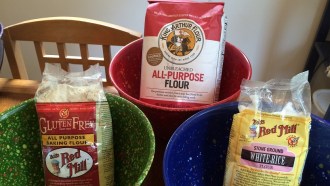
I would like to make a gluten-free cookie that my friend can eat. But to do that, I need to come up with a hypothesis to test.
- Physics
Hazing: How to hide in nearly plain sight
A new system takes advantage of a translucent fog of particles to hide otherwise obvious objects.