Tech
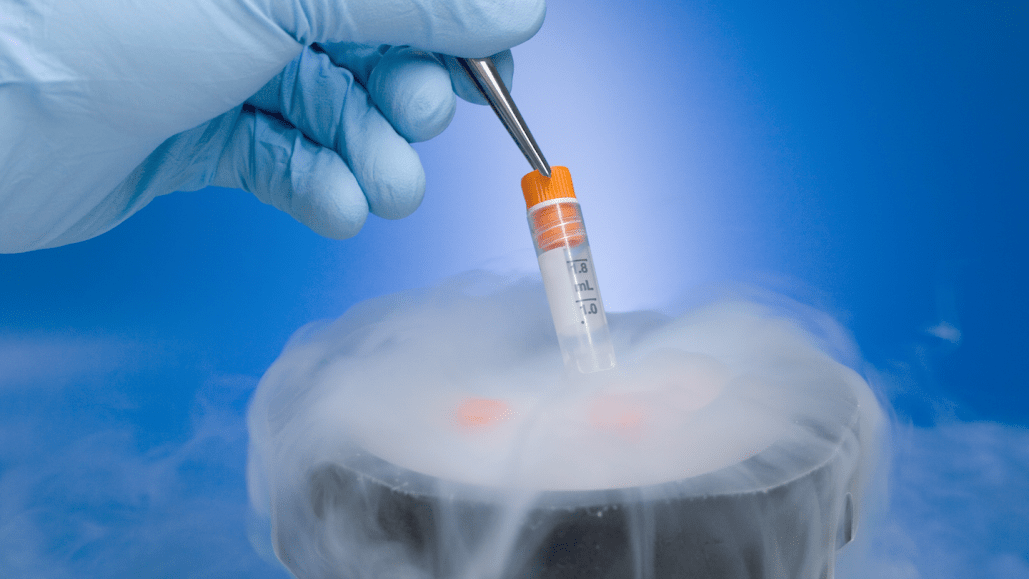
Scientists Say: Cryogenic
This deep-frozen field of science allows conservation biologists to preserve the DNA of endangered species and more.
Scientists 3-D printed the new fabric, which has even more tricks up its sleeve — such as conducting electricity and resisting radio waves.
As the famous book says, everybody poops. That’s 7.8 billion people, worldwide. For the 2.4 billion with no toilet, the process can be complicated.
Scientists report finding the physics that seems to explain how chefs can quickly fry rice over a hot flame without burning the food.
A special coating that conceals temperature information from heat-detecting cameras might someday be used as a privacy shield.
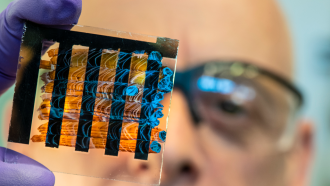
Researchers have upped the efficiency of layered solar cells that could be printed or painted onto surfaces. Now they are working to make them more rugged.
Researchers have designed a device that can cool an object by radiating its energy into outer space. Think of it as a solar panel in reverse.
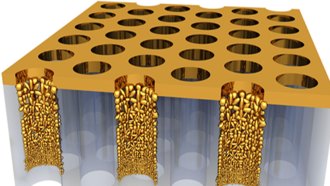
Nano-gold is the new black, at least when it comes to absorbing heat. When tiny gold particles get together, they become energy super-absorbers — turning them black.
A machine heats iron atoms to temperatures that match the interior of the sun. This has helped solve a solar mystery.