Humans have used fire far longer than anyone realized
Cave dirt suggests one of our ancestor species had been using fire nearly 1.8 million years ago
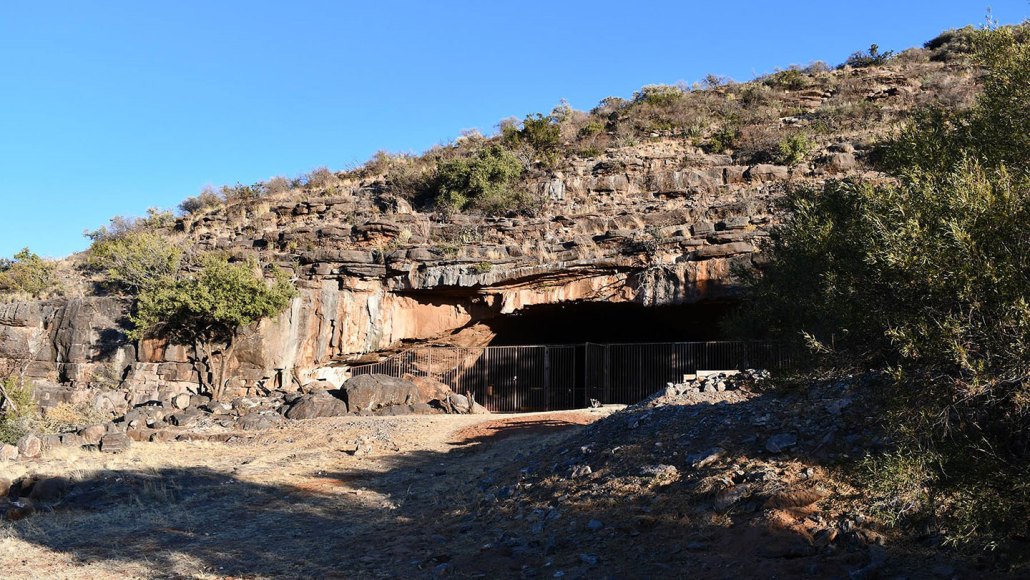
New evidence of early fire use comes from South Africa's Wonderwerk Cave, which was inhabited by groups of Homo erectus between 1.8 million and 900,000 years ago.
Michael Chazan
This is a human-written story voiced by AI. Got feedback? Take our survey . (See our AI policy here .)
A cave in Africa seems to host the oldest known traces of humans using fire. Burnt remnants of animal bones hint that groups of Homo erectus used fires here as long as 1.8 million years ago.
The site is known as Wonderwerk Cave. It’s in the Northern Cape province of South Africa. The oldest previously known traces of our early relatives using fire also came from there. Those dated to about 1 million years ago.

The new evidence comes from an earlier, deeper level of sediment in that cave. These traces of fire could be anywhere from 1.07 to 1.79 million years old. But “I’m very comfortable saying it was between 1.7 and 1.8 million years ago,” says Michael Chazan. This archaeologist works at the University of Toronto in Canada. He leads excavations at Wonderwerk Cave.
Chazan was part of a team that shared the new findings June 1 in PLoS One.
The researchers don’t think H. erectus lit the fires. The earliest evidence of people using iron pyrite to make sparks dates to about 400,000 years ago. So people in the Wonderwerk Cave probably carried in flames from wildfires, Chazan says. “This is not human ignition of fire. It’s collecting a fire on the landscape.”
These were likely not cooking fires, but ones used to give light and warmth.
Chazan’s team detected burnt bones at the fire sites with a blue-light technique that forensics experts use to solve crimes. It’s called “luminescence.” Until now, no one had used it in archaeology. The bones came from owl pellets. (Owls cough up such balls of fur and bone after eating.) When examined under blue light, the burned bones glowed more brightly than unburned ones.
Archaeologists already knew that Wonderwerk Cave was probably home to groups of H. erectus at this time. Barn owls also likely sheltered in the cave while these ancient humans lived there, Chazan says. People kept fires going on the pellet-strewn floor. This could explain the finding of burned bones.
Ancient people didn’t seem to always have fires in Wonderwerk Cave. “There’s a clear signal [of fire],” Chazan says. “But it’s not of year-round access to fire.” Wildfires likely happened only in hot seasons. That may not have been often enough for H. erectus to make any lasting lifestyle changes based on access to flames.