Archaeology
- Archaeology
Fiery tests suggest gooey tech by Neandertals
Neandertals could have used simple methods and handy materials to make tar. It would have helped them glue their tools together.
- Archaeology
Clay reveals secrets of China’s mysterious terra-cotta army
Production of the famous terra-cotta troops found in ancient Chinese emperor’s tomb was made possible by a specialized system of clay manufacturing.
- Archaeology
DNA from African mummies tie these folk to Middle Easterners
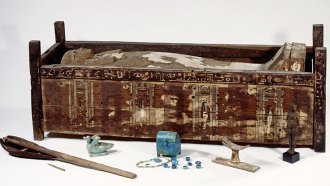
Ancient DNA extracted from 90 Egyptian mummies reveals genetic links to Greece and the Middle East.
- Archaeology
European fossils may belong to earliest known hominid
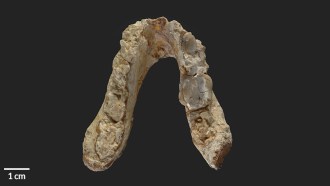
New fossils suggest that the earliest non-ape human ancestors may have evolved in Europe, not Africa.
- Archaeology
America’s first settlers may have arrived 130,000 years ago
An archaeological site where mastodon remains were found suggests that the first Americans may have arrived unexpectedly early.
- Archaeology
This hominid may have shared Earth with humans
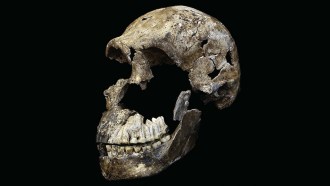
Newfound fossils in South Africa point to a far more recent age for Homo naledi than had been accepted. If correct, this hominid might have coexisted with humans — even interacted with our species.
- Archaeology
Stone Age dentists treated cavities with tar
Is Italy the home of dentistry? That’s where treated tooth decay has been found, dating back 14 millennia. Cavities appear picked clean with sharp tools. Ouch!
- Science & Society
Fossils point to Neandertal diets — and medicine use
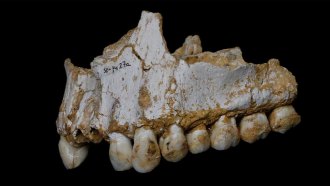
Whether Neandertals were largely meat-eaters or vegans depended on their environment, fossils now suggest. Their teeth also indicate they used natural medicines.
- Archaeology
Silk Road’s origins may date back millennia
The mountain treks of ancient herders helped mold a cross-continent trade network known as the Silk Road.
- Archaeology
Space archaeologists need your help to protect ancient treasures
Explorers who search for ancient ruins in satellite images are asking for help from the public. Volunteers can visit a new website to sign up.
- Archaeology
Cool Jobs: Hunting surprises in thinning glaciers
Meet three scientists who are tracking the meltdown of Earth’s glaciers. They share their adventures, predictions and unexpected discoveries.
- Archaeology
‘Cousin’ Lucy may have fallen from a tree to her death 3.2 million years ago
A contested study suggests that Lucy, a famous fossil ancestor of humans, fell from a tree to her death.