Earth
- Animals
Teens use science to worm through plastic waste
Some beetle larvae can eat plastic, which might be good for our pollution problem. But which types eat the most can vary a lot, these young scientists find.
- Animals
Catching ‘Dory’ fish can poison entire coral reef ecosystems
More than half of saltwater-aquarium fish sold in the United States may have been caught in the wild using cyanide, new data show.
- Climate
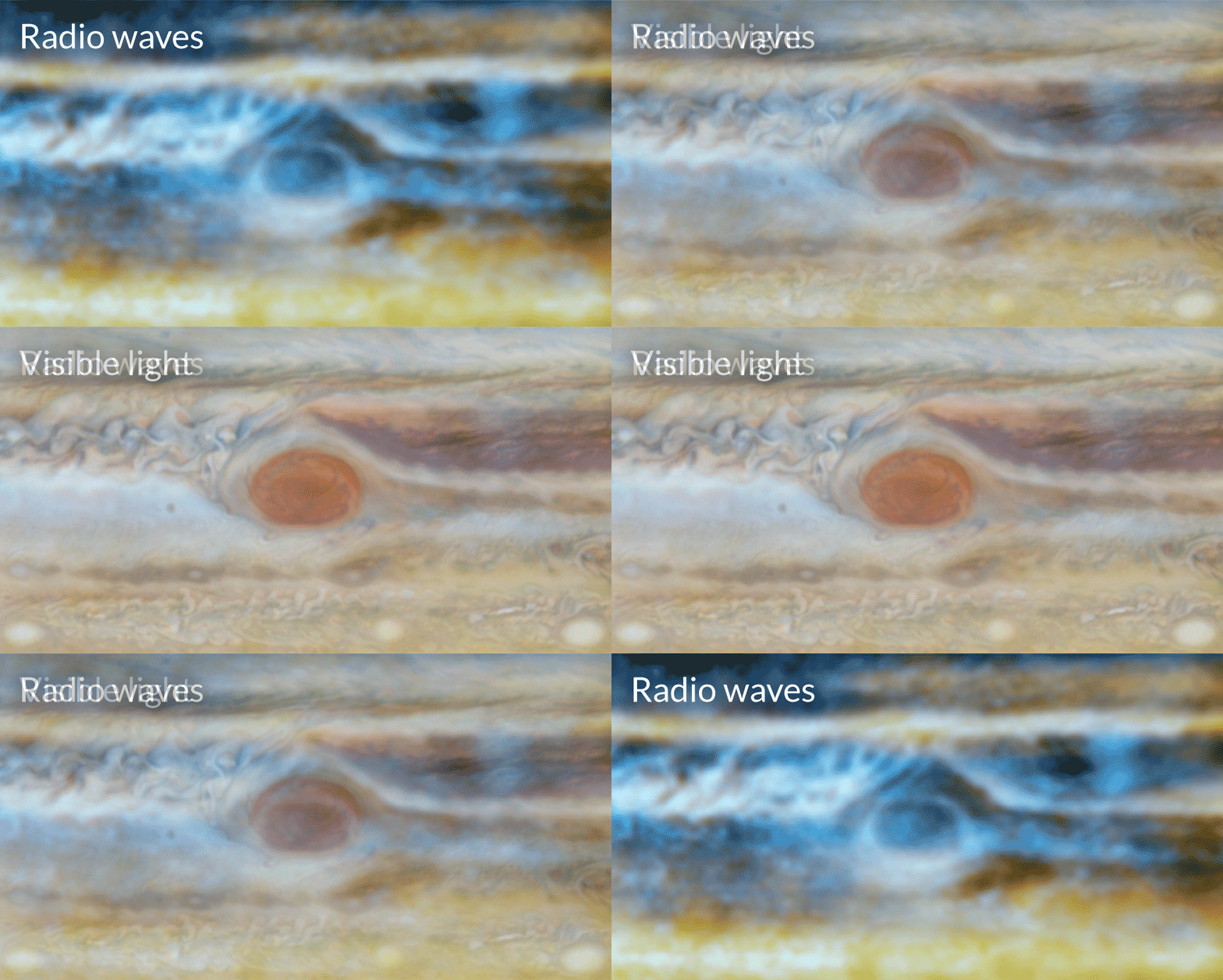
Jupiter’s stormy weather runs deep
Jupiter is covered in swirling storms. A new 3-D map of the planet’s atmosphere shows those storms start far, far below the clouds.
- Earth
Fighting big farm pollution with a tiny plant
Fertilizer runoff can fuel the growth of toxic algae nearby lakes. A teen decided to harness a tiny plant to sop up that fertilizer.
- Chemistry
Concrete science
Teen researchers are exploring ways to strengthen this building material, use it for safety purposes and use its discarded rubble.
- Climate
Zapping clouds with lasers could alter Earth’s climate
Scientists zapped ice crystals in a lab. They were exploring whether this approach might be used to break those crystals in clouds — potentially as a way to cool Earth’s fever.
- Computing
‘Couch potatoes’ tend to be TV-energy hogs
Many government programs urge people to save electricity by using more efficient TVs. Here’s why these programs should target “couch potatoes.”
- Animals
Why some frogs can survive killer fungal disease
A disease is wiping out amphibian species around the globe. New research shows how some frogs develop immunity.
- Climate
This planet’s lightning storms are like nothing on Earth
Radio waves from a faraway exoplanet could signal intense lightning storms there.
- Animals
Uh oh! Baby fish prefer plastic to real food
Given a choice, baby fish will eat plastic microbeads instead of real food. That plastic stunts their growth and makes them easier prey for predators.
- Health & Medicine
Heat sickness
Scientists worry that increasing temperatures could combine with air pollution to up rates of illness and premature death — perhaps dramatically.
- Earth
How ancient African fish feed today’s Amazon
Many of the world’s lushest tropical forests would starve if winds didn’t bring them nutrient-rich dust from across an ocean.