Earth
- Earth
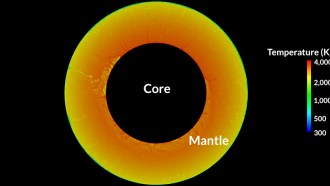
Falling through Earth might be a long and fruitless trip
A classic physics problem asks what would happen if you plunged through Earth’s center. A new study contends you could never make it to the other side.
- Earth
That’s no moon: Earth’s tiny tagalong
A newly discovered asteroid appears to be orbiting Earth, like a new mini-moon. In fact, it’s really orbiting the sun.
- Animals
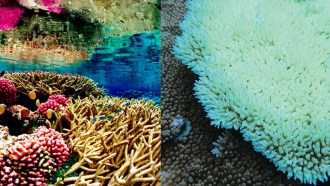
Current coral bleaching event is the longest known
Heat stress has led to the longest coral bleaching event on record. Scientists now worry that global warming may make such prolonged crises more frequent.
- Earth
Helium discovery blows away shortage worries
Fears that the world may soon run out of helium have been set aside for now by the finding of a huge reservoir of the gas in East Africa.
- Earth
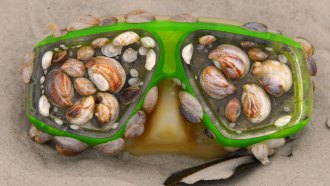
Scientists Say: Plastisphere
As plastic floats in the ocean, it can acquire its own colony of microbes and algae. We call this ecosystem the plastisphere.
- Earth
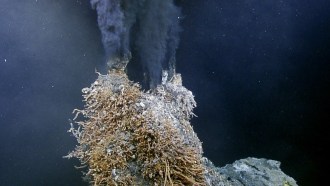
Seafloor hosts surprising number of deep-sea vents
A new sensor detects changes in seawater chemistry and finds far more ecosystem-supporting seafloor vents than scientists had believed were out there.
- Earth
Earth’s tectonic plates won’t slide forever
Earth’s surface morphs, owing to the movement of its tectonic plates. But those plates didn’t use to move so quickly. And in a few billion years they’ll grind to a halt, new research suggests.
- Climate
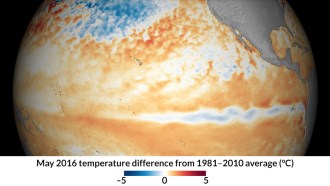
Last year’s strong El Niño is gone. Next up: La Niña
The 2015 to 2016 El Niño was one of the three strongest on record. It’s now over. Climate experts now predict a La Niña is on its way.
- Climate
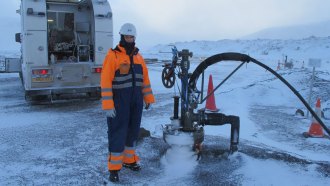
Volcanic rocks can quickly turn pollution into stone
A test program in Iceland injected carbon dioxide into lava rocks. More than 95 percent of the gas turned to stone within two years.
- Animals
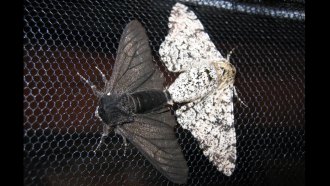
How a moth went to the dark side
Peppered moths and some butterflies are icons of evolution. Now scientists have found a gene responsible for making them so.
- Animals
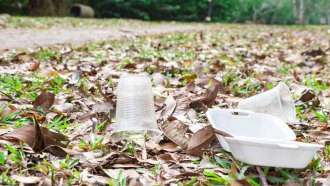
Teens use science to worm through plastic waste
Some beetle larvae can eat plastic, which might be good for our pollution problem. But which types eat the most can vary a lot, these young scientists find.
- Animals
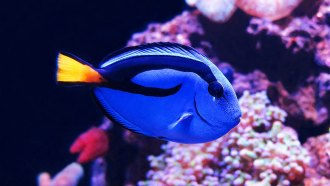
Catching ‘Dory’ fish can poison entire coral reef ecosystems
More than half of saltwater-aquarium fish sold in the United States may have been caught in the wild using cyanide, new data show.