Earth
- Earth
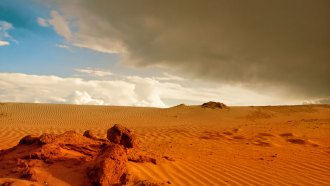
Dust creates deserts in the sky
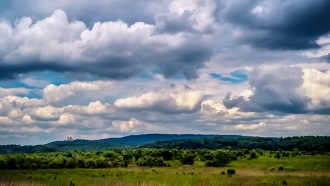
Vast rivers of dust flow through the sky. This invisible force shapes our world in profound ways. And scientists are finally homing in on a major source.
- Earth
Cool Jobs: Getting to know volcanoes
It’s too hot to explore the insides of a volcano. These scientists examine their lava, their low-frequency rumblings and their ‘vog’.
- Animals
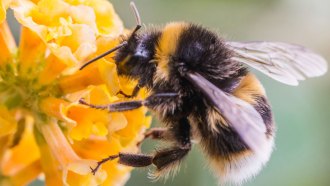
Pollen can become bee ‘junk food’ as CO2 rises
Increasing levels of the greenhouse gas are changing diminishing the food value of pollen, bees’ only source of protein.
- Ecosystems
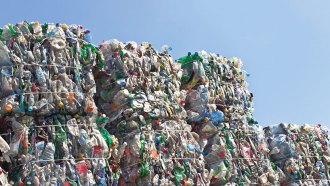
This microbe thinks plastic is dinner
The bacterium Ideonella sakaiensis chows down on one type of polluting plastics. That means it could become helpful in cleaning up environmental waste.
- Earth
Cool Jobs: Mapping the unknown
Scientists find different ways of exploring places humans will never visit — and drawing maps to help us better understand such mysterious places.
- Earth
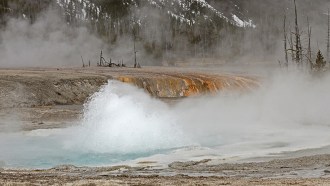
Carbon dioxide could explain how geysers spout
A new study overturns 150 years of thinking about Yellowstone’s geysers. Carbon dioxide, not just hot water, may be driving those spectacular eruptions.
- Chemistry
Particles in air help fatten clouds’ water droplets
Making their own clouds has shown scientists how the fattest water droplets form. Understanding this could lead to better forecasts of climate change.
- Earth
Quake risk in some central states rivals California’s
Risks of tremors in some central U.S. states are as high as those in quake-prone California. The reason: waste fluids from oil and gas drilling.
- Chemistry
Smash hit: Making ‘diamond’ that’s harder than diamonds
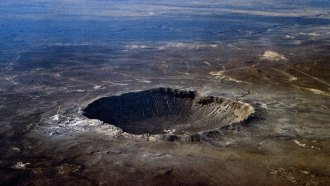
Scientists had suspected extreme meteorite impacts might turn graphite into an unusual type of diamond. Now they’ve seen it happen — in under a nanosecond.
- Earth
Breathing very dirty air may boost obesity risk
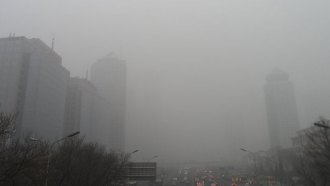
Breathing dirty Beijing air made rats heavier and less healthy than rats breathing clean air. Scientists now worry such polluted air may do the same thing to people.
- Chemistry
Microbes mine treasure from waste
Like miniature factories, bioreactors house microbes recruited to chew through wastes to clean dirty water, make chemicals or generate electricity.
- Environment
Not so sweet: Fake sugar found at sea
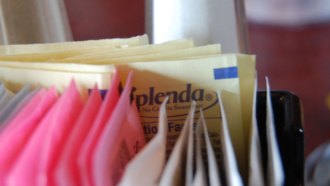
Sucralose — sold in stores as Splenda — has begun turning up in seawater. This raises concern about the fake sweetener’s impacts on the environment.