Earth
- Microbes
Recycling the dead
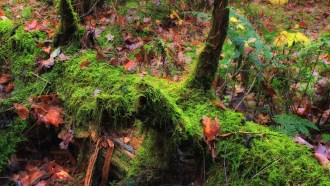
When things die, nature breaks them down through a process we know as rot. Without it, none of us would be here. Now, scientists are trying to better understand it so that they can use rot — preserving its role in feeding all living things.
- Animals
Sharks’ super sniffers at risk
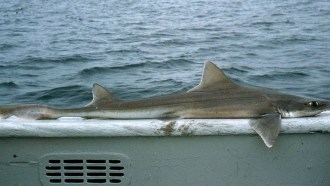
Rising ocean acidity could rob sharks of their ability to sniff out dinner, marine biologists find.
- Climate
Where will lightning strike?
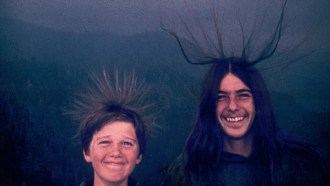
When lightning strikes, the results can be deadly. But nature’s dazzling light show also can provide scientists with insights into when and where the next thunderbolt might strike.
- Earth
Solved: Mystery of the ‘sailing’ rocks
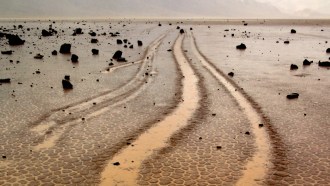
Rocks and boulders periodically move across the Racetrack Playa in Death Valley, leaving tell-tale tracks in their wake. Using advanced technology, scientists have finally solved the mystery of how this happens.
- Animals
Chef puts eco-bullies on the menu
Some immigrant species can become a nuisance, eating up or displacing the natives. Often people find little incentive to catch and remove the newcomers — unless they find them too yummy to pass up.
- Tech
Soaking up oil spills — with cotton
Natural, low-grade cotton could help clean up oil spills better than synthetic materials, a new study finds. And unlike synthetics, cotton breaks down naturally.
- Plants
Saving the banana
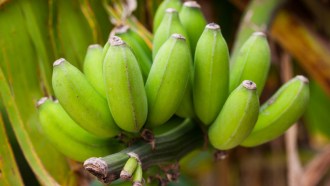
A number of diseases threaten the world’s most popular fruit. Scientists are working to fight these blights. But if they don’t succeed, the sweet banana that’s a breakfast staple could disappear.
- Microbes
Buried Antarctic lake teems with life
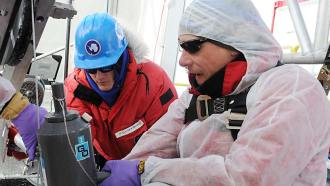
Last year, scientists drilled 800 meters (roughly a half mile) down through ice to reach a pitch-black Antarctic lake. They now report that lake hosts a thriving community of one-celled microbes.
- Animals
Wind farms: Restaurants for seals?
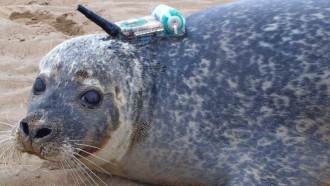
Scientists have tracked harbor seals visiting the turbines of ocean wind farms. The predators may be drawn by fish that make their homes in the artificial reefs created by the manmade structures.
- Earth
Meteorites likely wiped out Earth’s earliest life
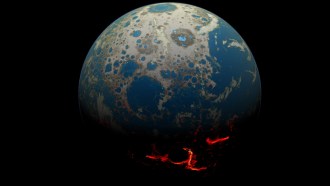
Enormous meteorites appear to have slammed into Earth several times early in its history. Each mega-smashup would have boiled off oceans and obliterated any bit of life.
- Environment
Watering plants with wastewater can spread germs
Recycled waste water may slake the thirst of outdoor plants. But it also can spread bacteria, a new study finds — germs that antibiotics may not be able to kill.
- Chemistry
Chemistry: Green and clean
“Green” means environmentally friendly and sustainable. Green chemistry creates products and processes that are safer and cleaner — from the start.