Humans
- Humans
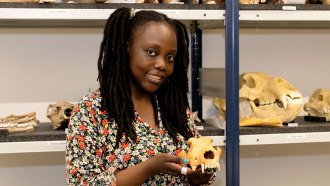
This archeologist reconstructs the past with animal bones
Tagging along with her mom paved the way for her career as an archeologist, Pamela Akuku says. She now studies how ancient humans modified animal bones.
- Psychology
Scientists Say: Neurodivergent
This often-misunderstood word describes someone whose brain works a little differently from most.
- Health & Medicine
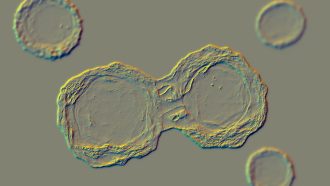
Stem cells can help build lab-grown organs that mimic real life
Making such organoids with 3-D printing and other tech can help researchers learn more about many troubling and potentially deadly disorders.
- Tech
A ‘mini cyclone’ helps detect coronavirus in the air
A new device can detect from seven to 35 coronavirus particles per liter of air in minutes. That’s close to a PCR test’s sensitivity — but much quicker.
- Oceans
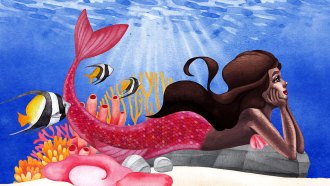
How would a mermaid sound underwater?
Human ears don’t work well in the water. A mermaid would need marine creature features to talk to and understand her aquatic friends.
- Health & Medicine
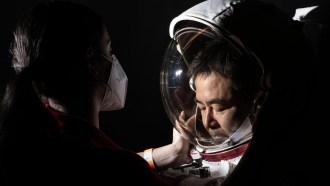
Swollen chambers in astronauts’ brains may take 3 years to recover
How long astronauts spend in space and the time since their last mission affects how much fluid-filled chambers in their brains expand while in space.
- Animals
Explainer: What is animal domestication?
The difference between a dog and a wolf isn’t looks or genes or even behavior. It’s the relationship these animals have with people.
- Computing
Teen-created software IDs skin conditions, risky drivers and more
Researchers at the 2023 Regeneron ISEF unveiled computer programs to diagnose skin conditions, warn of dangerous driving and translate sign language.
- Humans
Race car drivers usually blink at the same places in each lap
Blinking is usually thought to be somewhat random. But a new study tracking blinks in Formula One drivers shows it can be predictable — and strategic.
- Brain
Neuroscientists use brain scans to decode people’s thoughts
The research may lead to new devices for people who can’t communicate easily. It also raises privacy concerns.
- Psychology
Done right, online learning might be as engaging as face-to-face
Measures of stress offer clues to how engaged students are during online lessons. This could help teachers design more effective classes.
- Brain
Scientists Say: Addiction
Recovering from addiction is hard but possible. Encouragement of loved ones can improve a person’s chances of overcoming this disease.