Humans
- Genetics
Serious virus emerges in China and is spreading globally
A new viral infection emerged in December 2019 among people in Wuhan, China. The mystery illness has already killed at least 17 people and sickened many hundreds.
- Brain
Scientists’ brains shrank after a long stay in Antarctica
The isolation of a long-term mission at an Antarctic research station shrunk part of crew members’ brains, a small study suggests.
- Health & Medicine
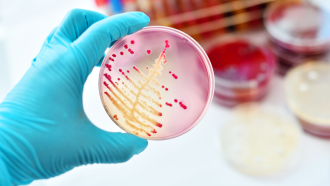
Globetrotting microbes in airplane sewage may spread antibiotic resistance
Along with harder-to-kill microbes, airplane sewage contains a diverse set of the genes that let bacteria evade antibiotics.
- Archaeology
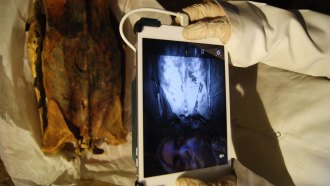
Ancient Egyptian mummy tattoos come to light
A range of markings discovered on female mummies are challenging ideas about tattoo traditions in ancient Egypt.
- Health & Medicine
Viewing virtual reality of icy landscapes may relieve pain
Traveling to polar vistas via virtual reality eased a temporary burning in the viewers’ skin. The same VR also lessened simulated chronic pain.
- Brain
Surprise! Exam scores benefit from months of regular sleep
Getting enough consistent, quality sleep accounted for nearly a fourth of the differences in students’ exam scores in class.
- Health & Medicine
Drug-resistant germs kill some 35,000 Americans each year
The new mortality rate may be way low, some experts say. Also troubling are two new germs that have emerged as big and urgent threats.
- Health & Medicine
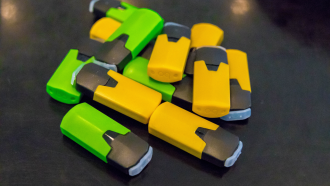
Today’s nico-teen addicts: What role does ‘juuling’ play?
New data show that the most popular type of U.S. vapes deliver nicotine especially efficiently — boosting risk of addiction.
- Health & Medicine
Vaping emerges as possible trigger for seizures
Anonymous accounts have been filed with the FDA reporting seizures in teens after vaping. These were linked most often to JUUL and related pods.
- Brain
As teens gain weight, they find high-fat foods less pleasurable
Teens who gained excess weight showed less activity in the brain’s reward center when viewing or tasting foods with lots of fat.
- Environment
Scientists Say: Nutrient
Nutrients provide living things, from bacteria to animals, with the energy and materials to grow. But too much of a nutrient can sometimes cause harm.
- Brain
Sleep may jumpstart the brain’s power washing system
Waves of fluid wash into the human brain during sleep. That’s good. They just may help clean out toxic proteins.