Life
- Animals
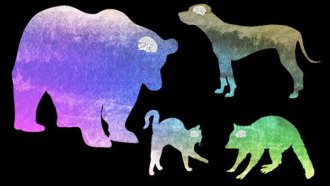
Dog wins tally of nerve cells in the outer wrinkles of the brain
Golden retrievers rate at the top for numbers of nerve cells, a study of some carnivores finds.
- Animals
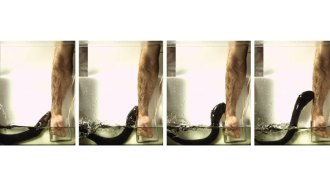
Analyze This: Electric eels’ zaps are more powerful than a TASER
Shocking! A biologist reached his hand into a fish tank and let an electric eel zap him. It let him measure precisely how strong a current it could unleash to defend itself.
-
- Animals
Escaping narwhals can freeze and flee at the same time
Narwhals’ heart rates plummet while diving quickly to get away from people. The combination may stress the whales as human activity increases in the Arctic.
- Health & Medicine
Analyze This: Flu vaccine’s protection varies
Getting a flu shot every year is an important way to protect yourself and those around you — even if the vaccine isn’t 100 percent effective.
- Health & Medicine
Scientists Say: Microbiome
You’ve got company. Every animal and plant has microscopic organisms living on and in them. These include bacteria, protists, archaea, fungi and viruses.
- Climate
Here’s why scientists have been fertilizing the Arctic
For more than 30 years, scientists have been fertilizing small parcels of Arctic tundra. Here’s what happens when you push an ecosystem to the brink.
- Agriculture
Explainer: The fertilizing power of N and P
Two elements — nitrogen and phosphorus — help plants grow. When the soil doesn’t have them, farmers might add them in the form of fertilizer.
- Brain
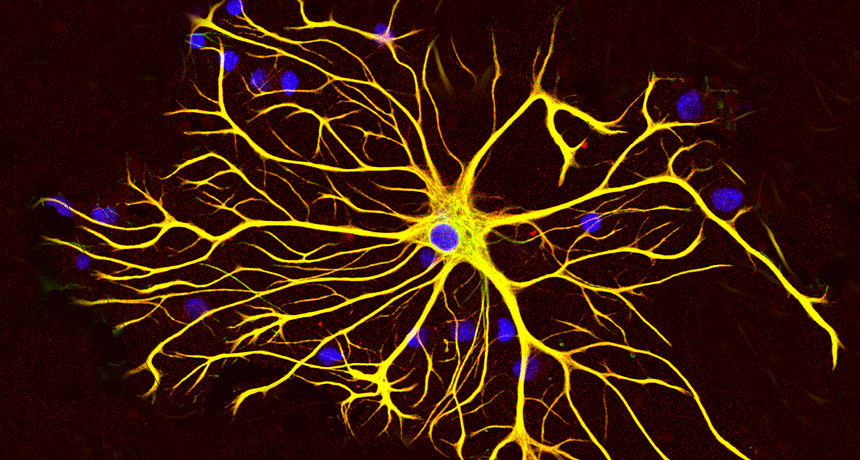
Ow! These cells might help brains remember pain and fear
The brain may learn from traumatic experiences with the help of special cells, a new study finds. Scientists used to think these cells, called astrocytes, were just there to support others.
- Health & Medicine
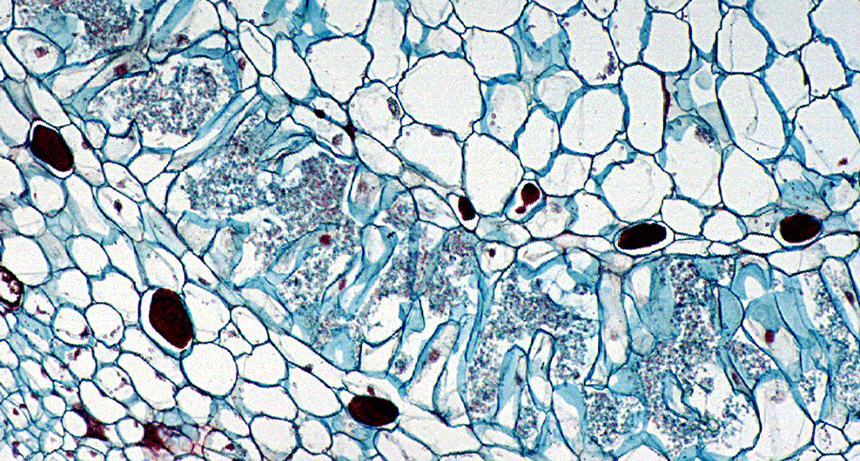
Raw cookie dough’s flour could make you really sick
It’s not just the eggs in cookie dough that can pose food-poisoning risks. Even flour can sicken people if it is eaten raw.
- Genetics
New tools can fix genes one letter at a time
New tools can edit the genome one letter at a time, correcting common errors that lead to disease.
- Microbes
Magnetic heating may replace surgery to cure some infections
Scientists are testing magnetic fields as a way to kill bacteria that drugs normally cannot reach — such as those on medical implants inside the body.