Life
- Animals
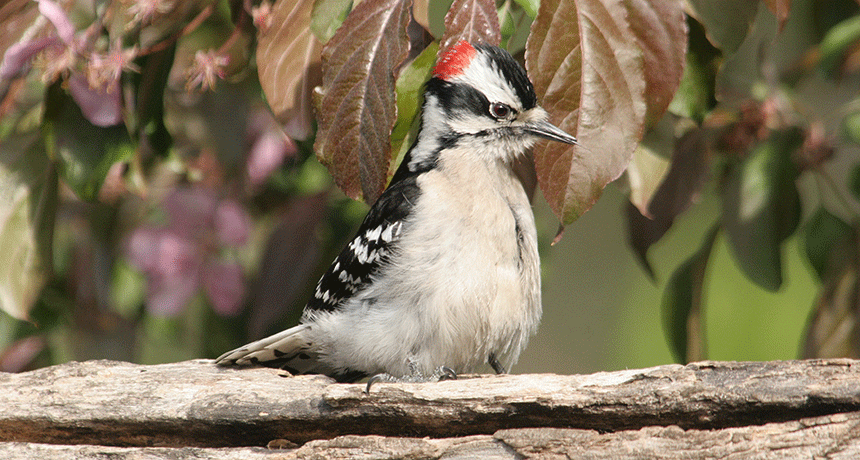
Woodpecker brains host protein linked with human brain damage
Woodpeckers peck with a force great enough to give people concussions. Now a study shows that birds, too, may suffer some brain damage.
- Brain
Unlike adults, teens don’t perform better when the stakes are high
Adults tend to do better on tasks that have bigger rewards. Not teens. This difference might have to do with the rewiring of the brain during adolescence, new data suggest.
- Animals
Rising carbon dioxide could leave tiny lake dwellers defenseless
Rising carbon dioxide in freshwater lakes may change how predators and prey interact.
- Animals
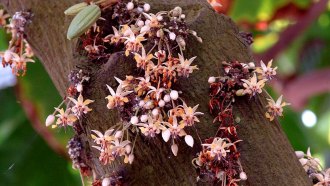
Blooms on ‘chocolate’ tree are crazy-hard to pollinate
The cacao trees must be pollinated or those seeds that give us chocolate will never form. The rub: The trees’ flowers challenge all but some of the tiniest pollen-moving insects.
- Chemistry
Increasingly, chocolate-makers turn to science
Chocolate is delicious and may even have health benefits. To make sure there’s enough to go around, scientists are growing heartier cacao trees.
- Agriculture
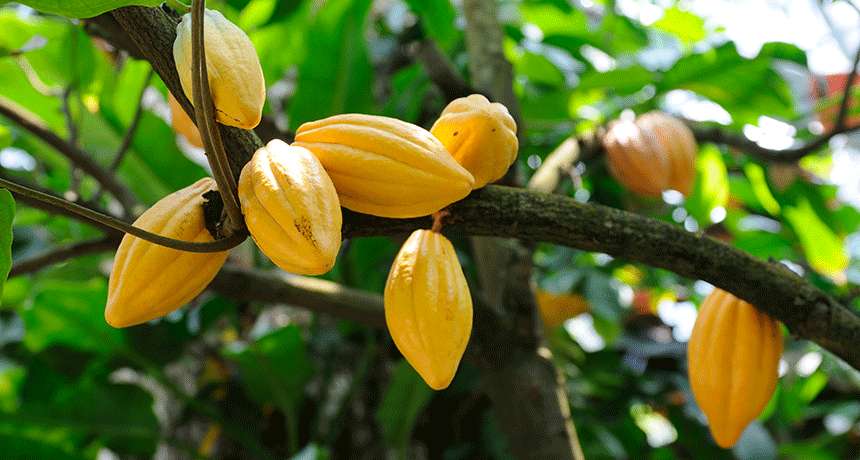
How to grow a cacao tree in a hurry
Chocolate is made from the pods of the cacao tree. To reproduce this plant quickly for research, scientists use clones.
- Chemistry
Janet’s chocolate mousse pie
The top two ingredients — dark chocolate and tofu — both have a reputation for being healthy. The good news for those who don’t like tofu: You can’t taste it in this pie. It just tastes like a very rich, thick chocolate mousse.
- Animals
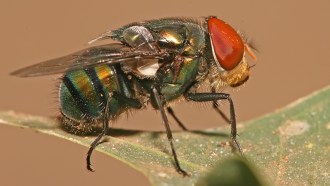
Blowflies keep their cool with drool
Personal air conditioning the blowfly way: Dangle a droplet of saliva and then swallow it.
- Health & Medicine
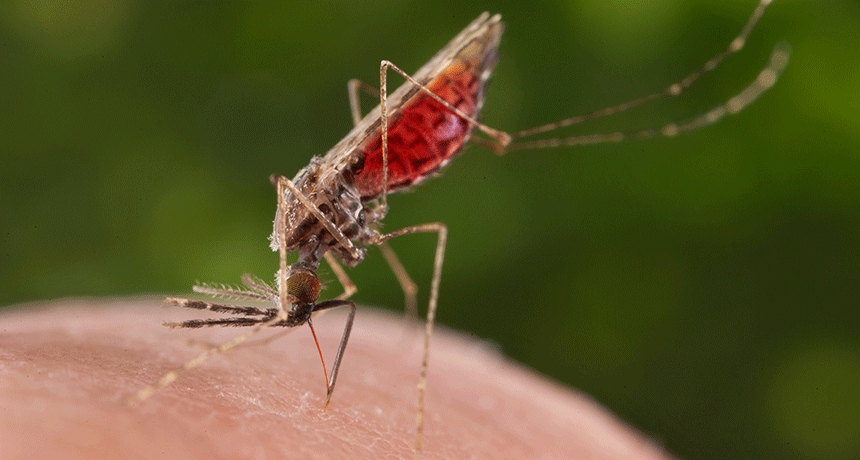
Scientists probe new ways to control malaria
In the quest to stop malaria, one researcher studies the disease in birds, bats and other animals. Another focuses on climate change and human sprawl.
- Life
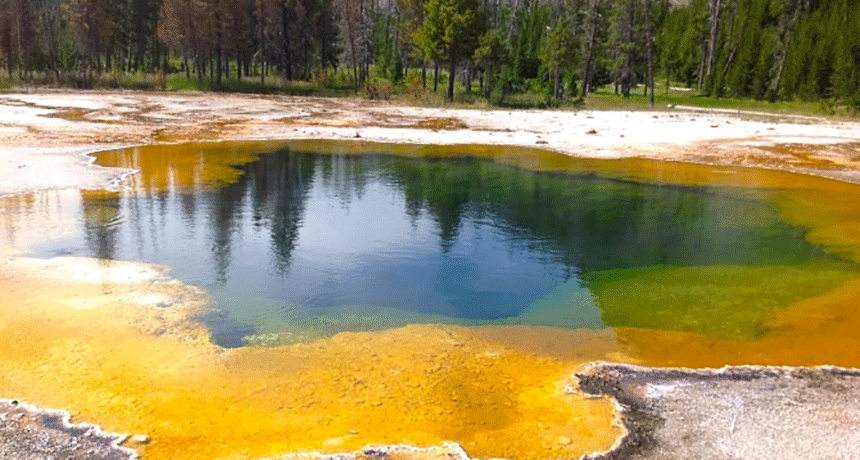
Scientists Say: Archaea
Archaea are single-celled organisms that live anywhere from hot springs to your gut. Scientists used to think they were bacteria, but now they know they are their own domain.
- Archaeology
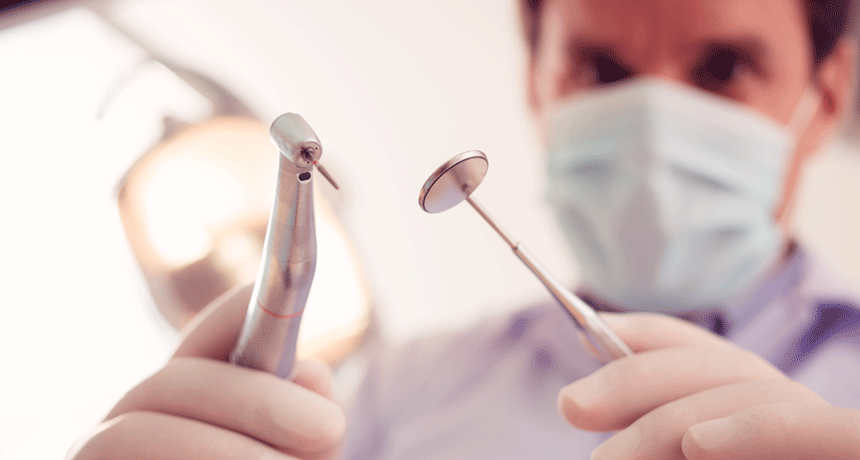
Cool Jobs: Drilling into the secrets of teeth
A bioengineer, a biologist and an archaeologist all study teeth to explore new materials, to grow better tissues and to learn more about prehistoric humans.
- Animals
Jackpot! Hundreds of fossilized pterosaur eggs unearthed in China
A trove of fossilized pterosaur eggs and embryos offer tantalizing clues to the winged reptiles’ early development.