Life
- Animals
Dinosaur tail preserved in amber — feathers and all
Scientists have found the tail of a dinosaur trapped in amber. It includes both feathers and identifiable bits of bone.
- Animals
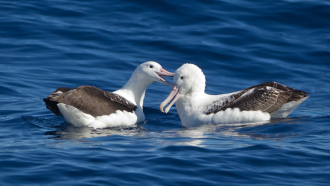
Food-like smell on plastic may lure seabirds to eat it
When plastic smells like supper, seabirds and other animals can be fooled into thinking it is food.
- Animals
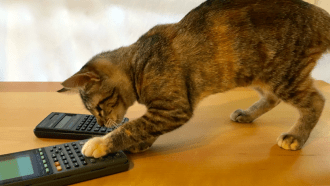
Animals can do ‘almost math’
Humans aren’t the only animals with a number sense. Scientists are trying to figure out where and when it evolved.
- Brain
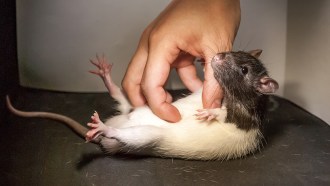
To reveal how the brain creates joy, start by tickling rats
Rats love a good tickle. Not only do they beg for more, but the action itself activates a part of the brain that detects touch, researchers find.
- Genetics
Scientists Say: eDNA
Animals may escape traps or nets, but they often leave DNA behind in their environment, giving scientists important clues.
- Brain
What makes a pretty face?
Beautiful faces are symmetrical and average. Do we prefer them because this makes them easier for our brains to process?
- Health & Medicine
Implant traps cancer cells on the move
A device implanted under the skin extended the life of mice with breast cancer. It trapped injected cancer cells before they created tumors in organs throughout the body.
- Animals
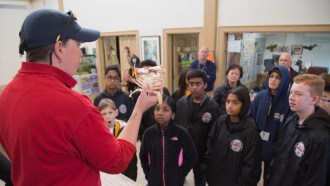
These young inventors had to make like a crab
This year’s top challenge for Broadcom MASTERS finalists was to design and build a robotic arm based on a crab’s arm and claw.
- Animals
Speckled dino spurs debate about ancient animals’ colors
Structures found in fossil dinosaur skin may give clues to the creatures’ colors and how they lived. But not all scientists agree on how to interpret what they see.
- Health & Medicine
Could toothpaste give heart disease the brush-off?
Brushing with a toothpaste that dyes plaque green encourages people to remove more of it. This also lowered inflammation, which may cut someone’s risk of heart disease.
- Animals
Dino brain found ‘pickled’ in boggy swamp
Scientists claim to have identified the first fossil brain tissue from a dinosaur.
- Brain
Lying sets up a liar’s brain to lie more
As people lie more, activity in one brain region falls, a new study finds. It’s an area associated with emotion.