Life
- Plants
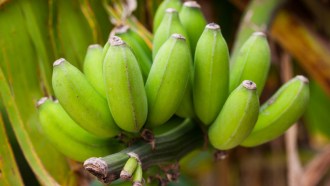
Saving the banana
A number of diseases threaten the world’s most popular fruit. Scientists are working to fight these blights. But if they don’t succeed, the sweet banana that’s a breakfast staple could disappear.
- Health & Medicine
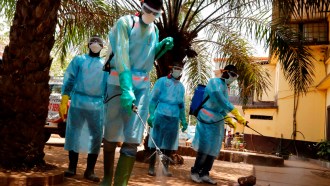
Ebola treatments and vaccines could be near
Using experimental medicines against Ebola might help to slow or end an outbreak in Africa that has defied efforts to control it.
- Health & Medicine
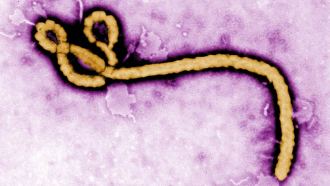
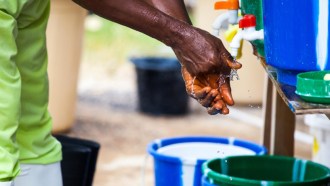
Explainer: What is Ebola?
A virus is behind the hemorrhage-inducing infection called Ebola. It causes fevers and often intense bleeding — seemingly from anywhere and everywhere.
- Fossils
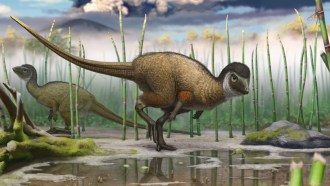
Feathers: What every dino wore?
A dino discovery in Siberia suggests feathers were common among the ancient ‘lizards.’
- Microbes
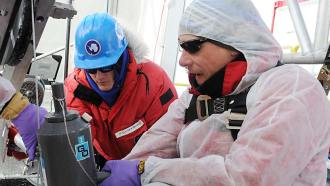
Buried Antarctic lake teems with life
Last year, scientists drilled 800 meters (roughly a half mile) down through ice to reach a pitch-black Antarctic lake. They now report that lake hosts a thriving community of one-celled microbes.
- Animals
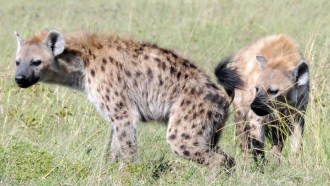
Germs explain some animal behaviors
The bacteria that people and other animals host in and on their bodies are invisible to the eye. Yet they can play a very visible role in behavior. It’s something scientists are just coming to appreciate.
- Animals
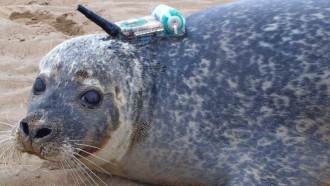
Wind farms: Restaurants for seals?
Scientists have tracked harbor seals visiting the turbines of ocean wind farms. The predators may be drawn by fish that make their homes in the artificial reefs created by the manmade structures.
- Animals
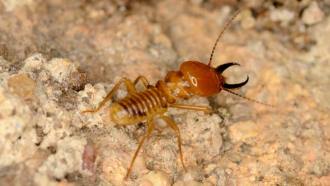
How termites ‘hear‘ about trouble
When danger comes too close, termites bang their heads against the walls of their homes. This action sends out a warning vibration that others ‘hear’ with their legs.
- Environment
Watering plants with wastewater can spread germs
Recycled waste water may slake the thirst of outdoor plants. But it also can spread bacteria, a new study finds — germs that antibiotics may not be able to kill.
- Animals
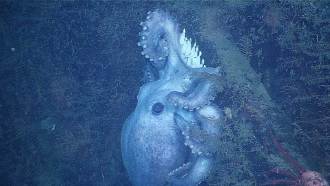
Octopus sets egg-nurturing record
Animals will do extraordinary things to help their babies survive. Consider ‘Octomom:’ She sat on one clutch of eggs for nearly 4.5 years.
- Fossils
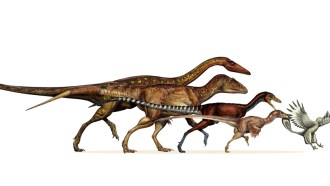
Dinos ‘quickly’ shrunk into birds
Scientists had long known birds descended from dinosaurs. A study now shows that the morphing from dinos into birds went along with a quick and steady shrinking of their body sizes.
- Microbes
Record Ebola epidemic strikes
A record outbreak of the deadly disease has already claimed nearly 1,000 lives in West Africa. Scientists suspect bats or eating some other wild animals may have triggered the epidemic.