Life
- Microbes
Explainer: What you can do to fight antibiotic resistance
Doctors and scientists are not the only people who can help preserve the effectiveness of life-saving antibiotics. Even patients have a role to play, as these tips show.
- Microbes
The HIV cure — that wasn’t
Immediate and aggressive drug treatment of a baby born with HIV appeared to have cured the girl. In fact, a follow-up shows, she still has the disease.
- Fossils
Mega-bird!
What may have been the bird world’s biggest flier ever had wings so long, they would have had trouble flapping fast enough to keep it aloft in tough winds. But this behemoth would have been able to soar both far and fast.
- Microbes
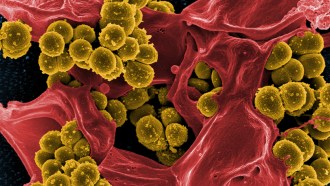
Superbugs: A silent health emergency
Have antibiotics become too popular? Overusing these medicines fuels resistant germs that pose a global health threat.
- Microbes
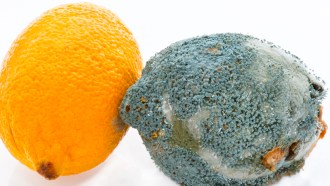
Explainer: Where antibiotics came from
A mold proved the source of the first known antibiotic: penicillin. But chemical dyes would lead to the first antibiotics used in treating people.
- Fossils
This dino-bird is super-feathered
This late-Jurassic dino was also a bird. Its ample coat of feathers emerged before any need for flight.
- Animals
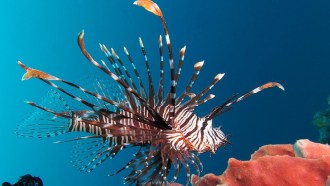
Teen shows salty lionfish are getting fresh
Lauren Arrington kept spotting lionfish in rivers near her Florida home. Her science fair project probed how much fresh water these ocean fish could stand — and led to a published research paper.
- Animals
Cool Jobs: A whale of a time
Studying blue whales, spinner dolphins and other cetaceans demands clever ways to unveil the out-of-sight behaviors of these marine denizens.
- Animals
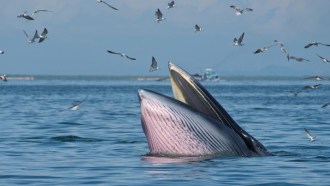
Explainer: What is a whale?
Can a dolphin be a whale — or a whale be a dolphin? Yes, because the terms used to describe the biggest marine mammals are quite elastic and fuzzy.
- Microbes
How a germ killer could backfire
A common ingredient in toothpaste and hand sanitizers kills germs on contact. But it also can kill the helpful germs that make water safer.
- Fossils
Hot-blooded dinos? Try lukewarm
New study finds these reptiles may have had an internal furnace that sort of resembled some sharks. It appeared to run neither hot nor cold.
- Genetics
Owww! The science of pain
No one likes pain, but it keeps us alive. That’s why scientists want to learn how best to coexist with this complicated and still somewhat mysterious sensation.