Life
- Animals
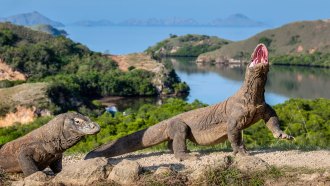
Metal gives the teeth of Komodo dragons their super strength
Investigating Komodo dragons' ironclad teeth in greater detail could also help solve a dental mystery in dinosaurs.
- Plants
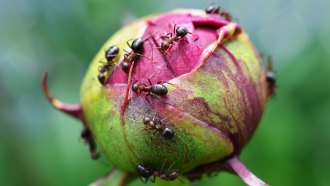
Many flowers and ferns lure in ants as bodyguards
With an offer of a nectar meal, ferns and flowering plants have been bribing ants to fend off predatory insects — since before the rise of T. rex.
- Genetics
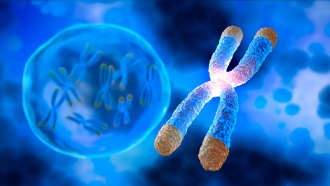
Scientists Say: Telomere
These protective caps at the ends of chromosomes play a key role in cell replication.
- Animals
A childhood dog inspired this veterinarian to help others
Sunday Agbonika runs the organization Dogalov, which uses animals to help support neurodivergent children in Africa.
- Animals
Freeze-drying turned a woolly mammoth’s DNA into ‘chromoglass’
The 3-D structure of this now-glassy DNA revealed similarities — and differences — between woolly mammoths and elephants.
- Animals
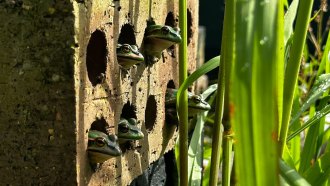
Balmy ‘saunas’ help frogs fend off a deadly fungus
Hanging out in small sun-warmed hideaways could help some frogs resist deadly chytrid fungus, a new study finds.
- Fossils
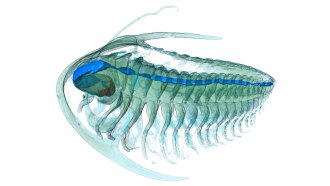
Stunning trilobite fossils include never-before-seen soft tissues
Well-preserved fossils from Morocco help reveal the weird way trilobites ate and perhaps why these iconic animals went extinct.
- Brain
Just how brainy was a T. rex?
A debate rages over how to count brain cells in dinosaurs. At issue: figuring out how these extinct animals likely behaved.
- Plants
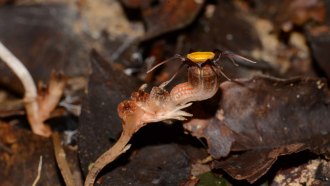
This squid-like ‘fairy lantern’ plant is new to science
A newly named species of fairy lantern — a parasitic plant — sports tentacles and grows among leaf litter and rotten logs in Malaysian rainforests.
- Animals
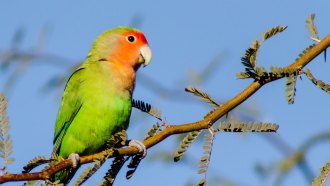
Scientists Say: Beakiation
Parrots use this clever sidestepping motion to maneuver along thin branches.
- Animals
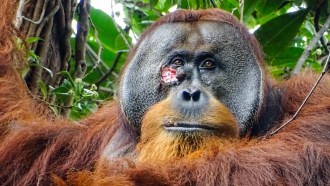
Wild medicine! An orangutan treated his wound with a local plant
This great ape, living in Indonesia, doctored the gash on his face with a plant that people living in the area use as a natural medicine.
- Climate
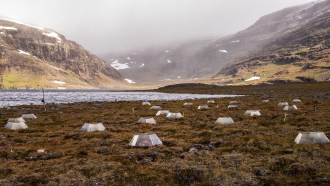
Microbes in the Arctic may be releasing more climate-warming gases
Mini greenhouses in the wild show how the tiny organisms lurking underground in a ‘sleepy biome’ could play a big role in climate change.