Life
- Science & Society
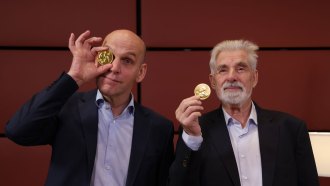
Let’s learn about the Nobel Prize
Nobel Prizes are the highest honors in science. But the prizes are far from perfect measures of scientific impact.
- Microbes
More than 100 types of bacteria found living in microwave ovens
More than 30 microwave ovens were sampled in a range of different settings. The microbes in them included ones that can cause food poisoning in people.
- Brain
Zap, zap, zap! Our bodies are electric
Electricity powers key functions in the brain, heart and bone. Scientists are working to understand those currents to improve our health and moods.
- Animals
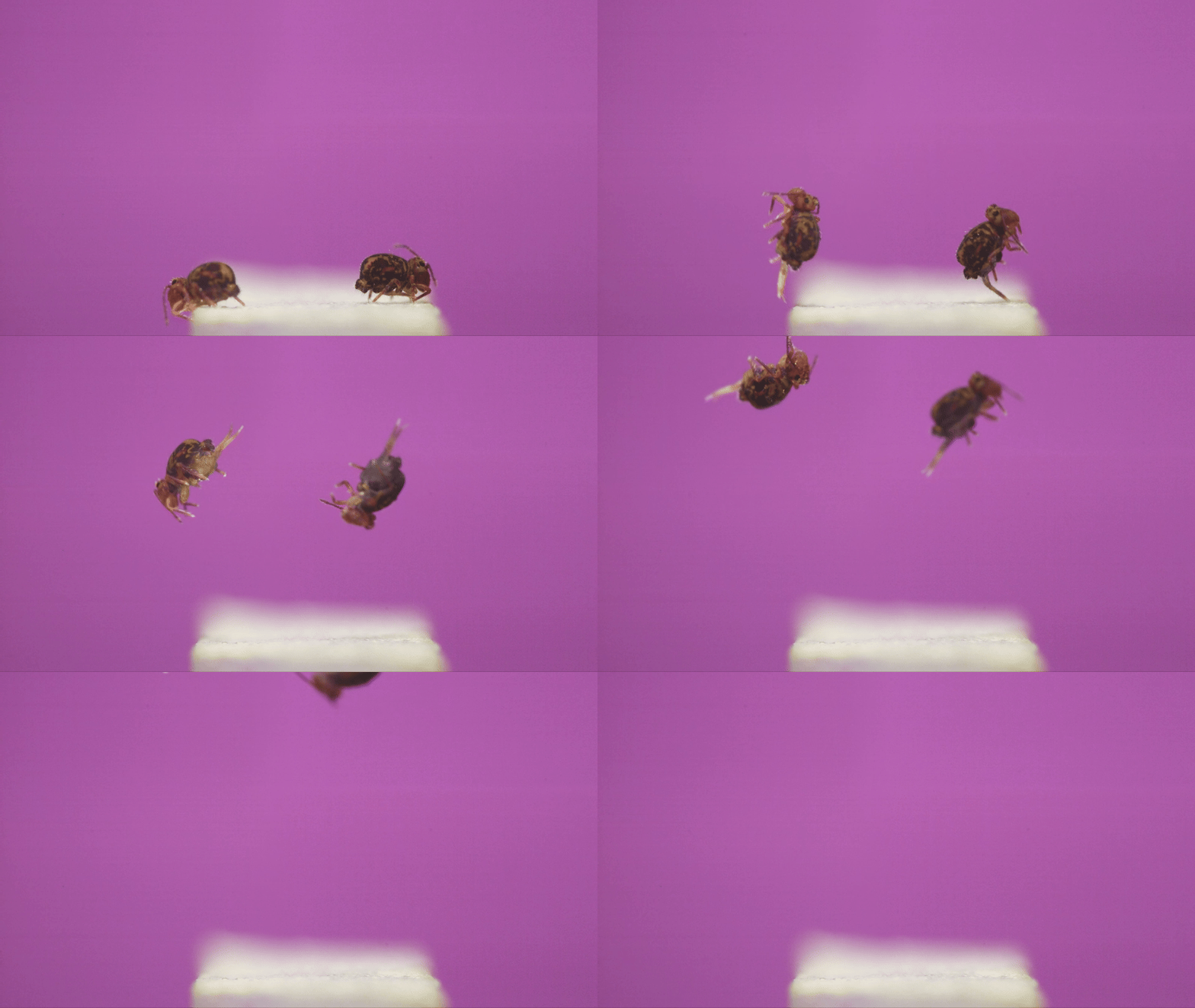
A springtail’s spring-loaded backflip is fast — really fast
Globular springtails can seem to vanish as they spin backwards at rates of up to 368 rotations per second! So don’t blink.
- Animals
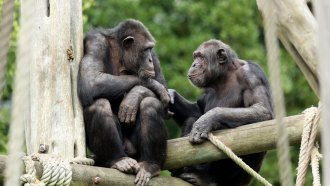
Chimps and bonobos recognize familiar faces even after decades apart
Chimpanzees and bonobos may boast the longest social memory of any animal besides humans.
- Animals
This biologist tracks seadragons, with help from the public
Nerida Wilson uses artificial intelligence to identify seadragons in photos taken by citizen scientists.
- Health & Medicine
Scientists Say: THC
The active chemical in marijuana might have some medicinal value. But studies point to THC's potential risks, especially for teens.
- Animals
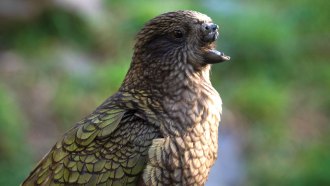
Parrots may offer clues to how our intelligence evolved
Studies of the brainy birds’ abilities to use tools, solve puzzles, speak words and more may teach us about how our species got our smarts.
- Animals
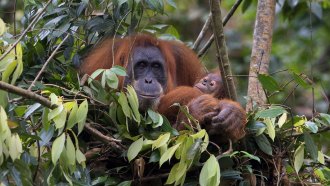
Let’s learn about orangutans
These shaggy, red-haired apes are more solitary than other primates, but moms and babies share a strong bond.
- Planets
‘Percy,’ NASA’s rover, finds its first hint of ancient life on Mars
The robot examined a Mars rock containing organic compounds and “leopard spots.” On Earth, such spots usually come from microbial life.
- Animals
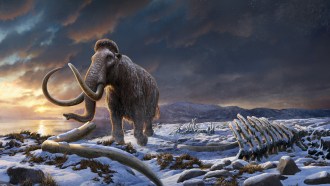
The last woolly mammoths offer new clues to why this species died out
The last woolly mammoth herd experienced a drop in genetic variation. But this is likely not what doomed these majestic beasts to extinction, new data suggest.
- Animals
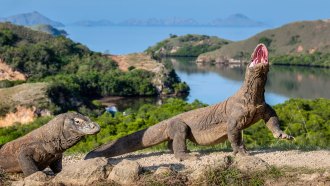
Metal gives the teeth of Komodo dragons their super strength
Investigating Komodo dragons' ironclad teeth in greater detail could also help solve a dental mystery in dinosaurs.