Life
- Brain
Neuroscientists use brain scans to decode people’s thoughts
The research may lead to new devices for people who can’t communicate easily. It also raises privacy concerns.
- Fossils
T. rex may have hidden its teeth behind lips
Dinosaurs like Tyrannosaurus have long been portrayed with their big teeth bared. But new research suggests this wasn’t so.
- Materials Science
Analyze This: A new fabric mimics polar bears’ pelts for warmth
With layers that work like polar bears’ skin and fur, a material absorbs light and keeps it from escaping.
- Plants
Could a plant ever eat a person?
For now, humans aren’t on the menu for carnivorous plants. But what would it take for one to consume a person?
- Environment
Fungi help rescue crops being harmed by microplastics
Microplastics in the soil hinder plant growth. But two finalists at Regeneron ISEF found that fungi and farm waste can reduce the harm.
- Fossils
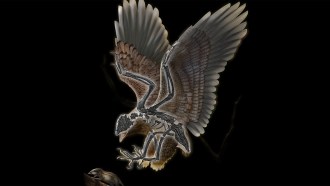
This ancient bird rocked a head like a T. rex
This bird from 120 million years ago had a head like a dinosaur and a body more like today’s birds.
- Brain
Scientists Say: Addiction
Recovering from addiction is hard but possible. Encouragement of loved ones can improve a person’s chances of overcoming this disease.
- Fossils
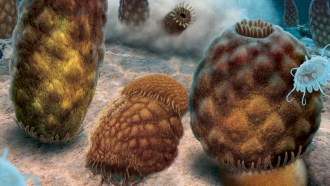
Ancient jellyfish? Upside down this one looks like something else
A new look at an ancient sea animal called Essexella suggests it may have been a type of burrowing sea anemone, not a floating jelly.
- Tech
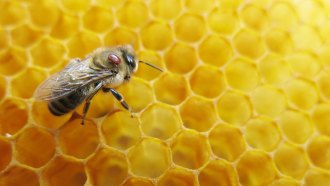
A device spots and counts honeybees hosting a dangerous parasite
At Regeneron ISEF, three teens debuted an infrared system to detect honeybees carrying mites. It can show beekeepers when a colony needs to be treated.
- Brain
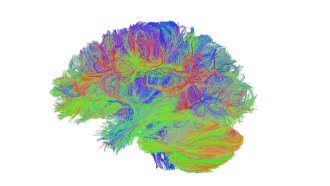
Scientists Say: Connectome
A connectome is a diagram of the cellular highways that carry information in the brain.
- Environment
Making yards more diverse can reap big environmental benefits
Replacing grass with native plants uses less water and fewer chemicals while providing additional benefits to people and wildlife.
- Animals
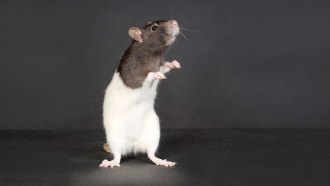
Rats can bop their heads to a musical beat
Rats’ rhythmic response to human music doesn’t mean they like to dance. But it may shed light on how brains evolved to perceive rhythm.